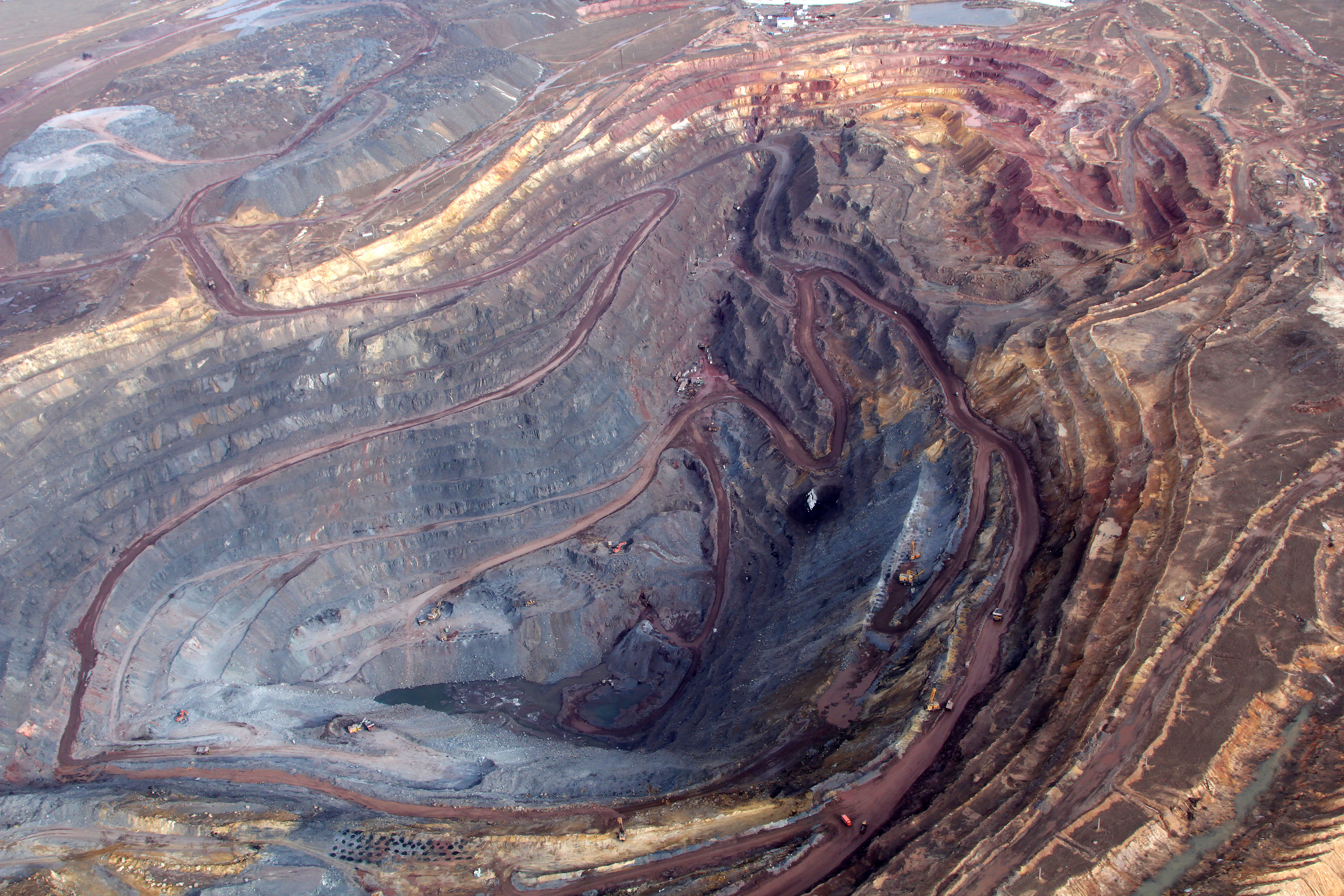
The OECD 2026 report highlights the region's massive reserves of manganese, chromium, lead, and zinc, alongside Kazakhstan’s dominance in uranium and Uzbekistan’s copper. While these assets draw intense interest from China, the United States, and South Korea, mere extraction rarely fosters long-term prosperity. If Central Asian nations continue to export raw materials while importing high-priced finished goods, they risk repeating historical cycles of dependency.
Building domestic processing capacity—the complex separation of elements for advanced manufacturing—requires more than just mining permits. Success depends on negotiating agreements that mandate technology transfer, local workforce training, and research cooperation. Furthermore, regional coordination is essential. By aligning technical standards and sharing infrastructure, these countries could replace self-defeating competition with collective bargaining power. The transition to clean energy offers a narrow window to pivot from being simple suppliers to becoming industrial partners, provided governments prioritize sustainable value creation over quick-fix extraction contracts.




Comments (0)
No comments yet. Be the first!