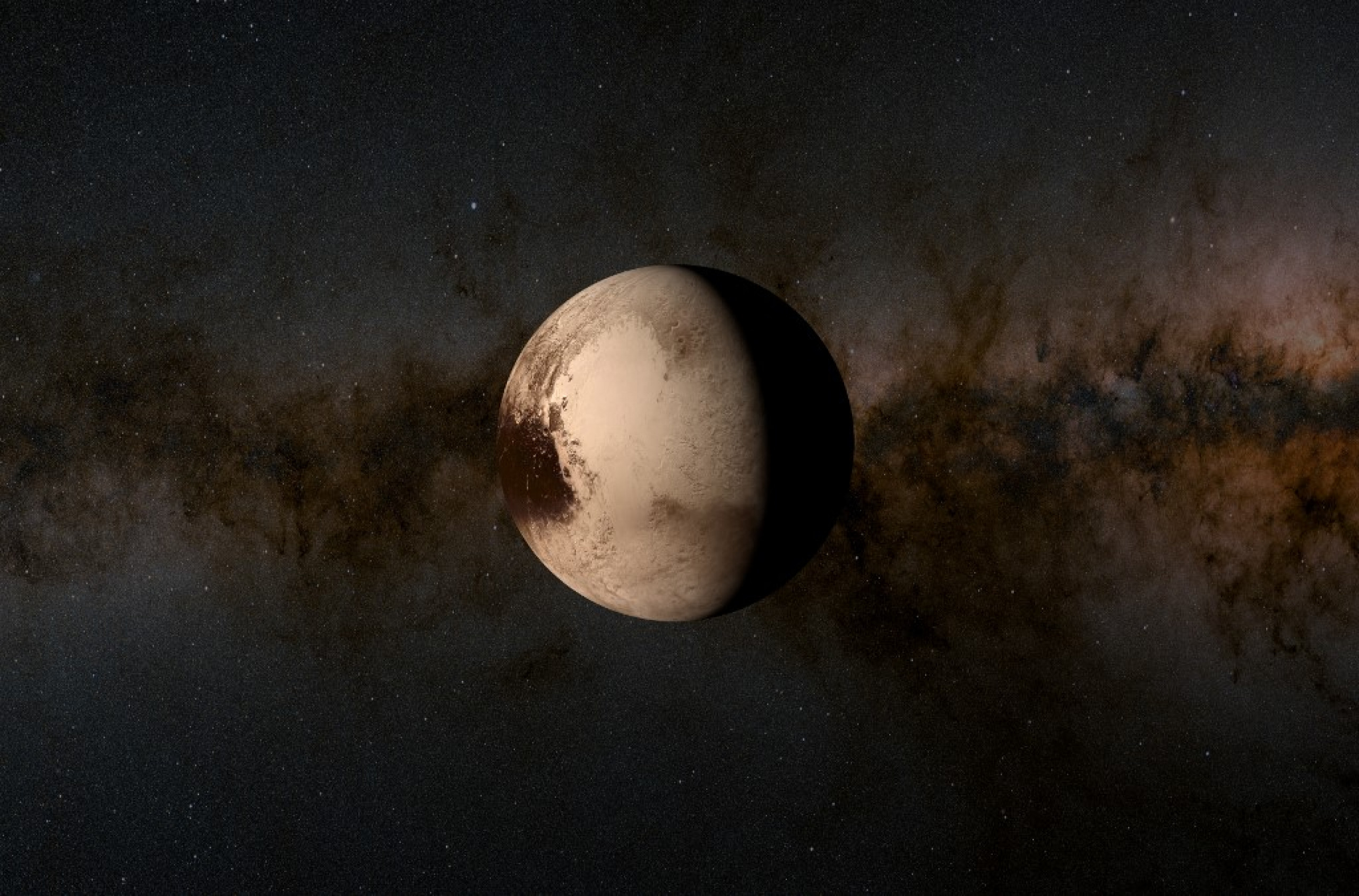
Located in a region once obscured by the Milky Way’s dense star fields, 2026 ED138 follows an orbit tilted nearly 25 degrees, suggesting it was nudged into its current path by Neptune’s gravitational influence. Preliminary data from the Vera C. Rubin Observatory estimates the object’s diameter between 600 and 1,500 kilometers. This size range typically indicates enough mass for gravity to pull a body into a spherical shape, the primary benchmark for dwarf planet status.
Mario Juric, the lead solar system scientist at the observatory, notes that this find is likely the first of many as new survey algorithms begin to map the outer reaches of our neighborhood. While the discovery does not threaten the International Astronomical Union’s 2006 definition of a planet, it serves as a reminder of the thousands of icy bodies residing in the Kuiper Belt. If confirmed, 2026 ED138 would join the ranks of Pluto, Ceres, Eris, Haumea, and Makemake.
This ongoing hunt for distant objects is part of a broader scientific effort to map the outer solar system, including the search for a hypothetical Planet Nine. As telescopes capture clearer data, the focus shifts from simply counting planets to understanding how these frozen, complex worlds reveal the evolutionary history of the Sun’s furthest frontiers.



Comments (0)
No comments yet. Be the first!