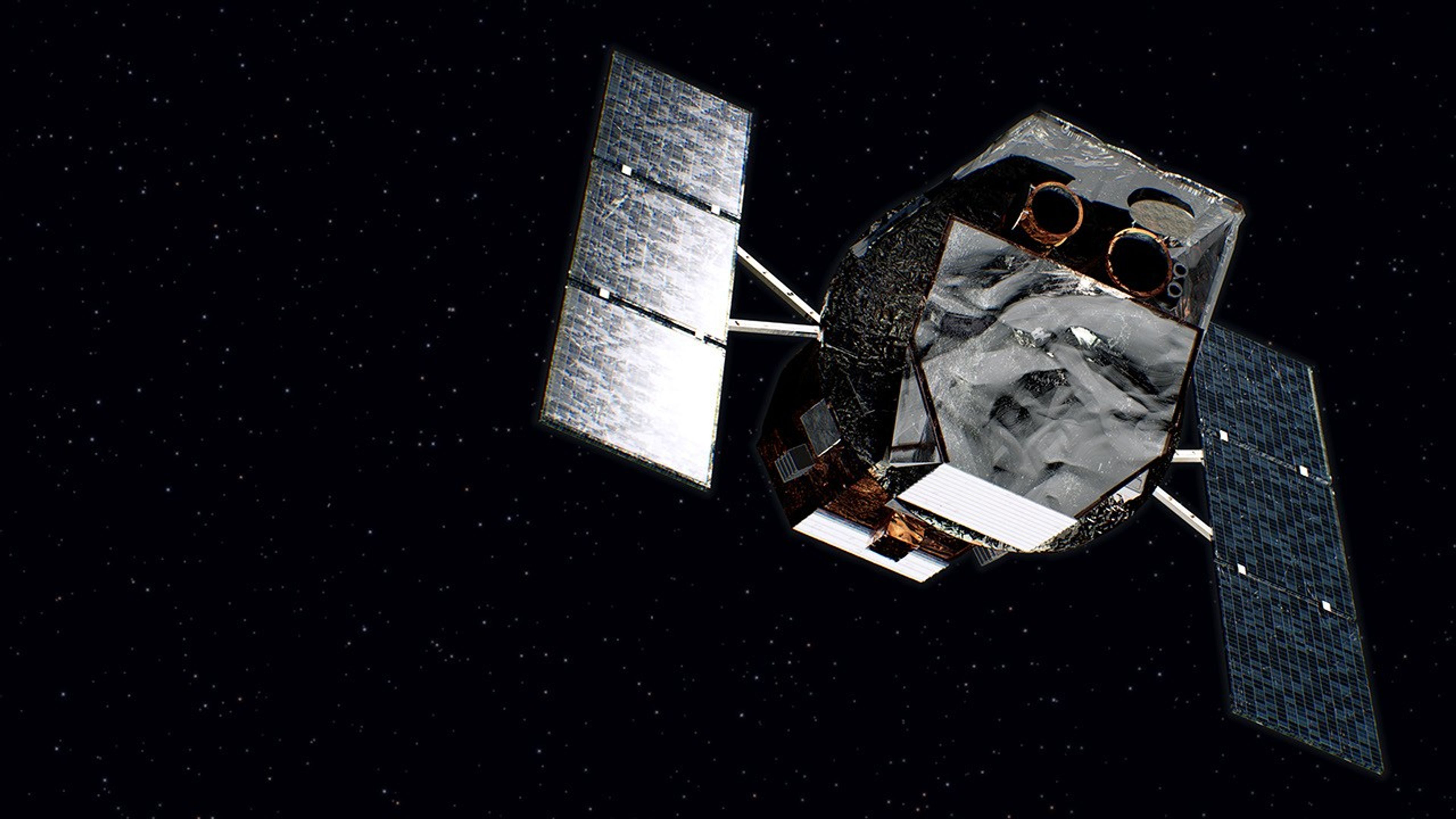
Launched in November 2004, the observatory functioned as a rapid-response sentinel. Its agility allowed it to swivel cameras toward gamma-ray bursts within a minute, alerting global observatories to observe the fleeting afterglows. Beyond these bursts, the telescope monitored over 1,400 supernovae and generated an extensive archive of multiwavelength data that will support astrophysical research for decades.
Mission operations concluded following a steady decline in orbit. Atmospheric drag rendered the spacecraft unstable, and an attempted rescue mission earlier this year failed to boost its altitude. By late October, the satellite descended below 171 miles, forcing it into a permanent safe mode. NASA confirmed the final shutdown command was issued shortly thereafter, with the spacecraft expected to re-enter Earth’s atmosphere in the coming weeks.
Shawn Domagal-Goldman, director of the Astrophysics Division at NASA, noted that the mission provided a return on investment ten times greater than initially projected. Principal investigator S. Bradley Cenko emphasized that Swift’s ability to pinpoint targets in real-time sparked a revolution in the field, proving that rapid-response capability is essential for modern space exploration.




Comments (0)
No comments yet. Be the first!