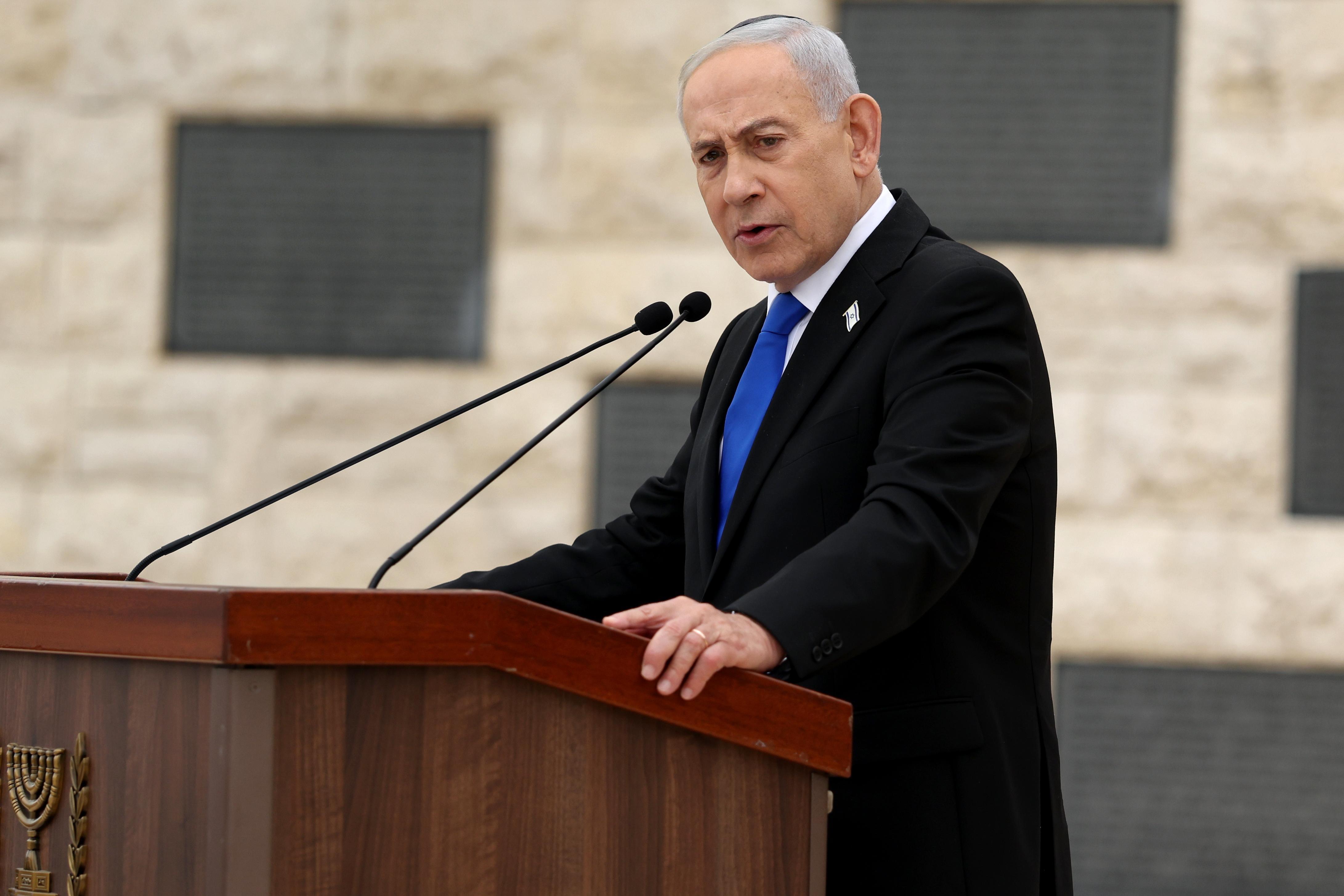
The vote arrives under the shadow of profound national exhaustion. With approximately 74,500 Palestinians killed in Gaza and the military engaged in a multi-front conflict, the political landscape is fractured. While Netanyahu’s Likud party campaigns on a platform of uncompromising security, his coalition is strained by internal disputes over military conscription for ultra-Orthodox men and the economic burden of a war consuming 8% of the country’s GDP.
Opposition leader Gadi Eisenkot and his centrist bloc have positioned themselves as an alternative, yet polling suggests a tight race where neither side holds a clear path to the 61-seat majority required to form a government. Small parties will likely act as kingmakers, complicating the formation of a stable coalition. Experts suggest that while a change in leadership could alter the tone of military engagement or diplomatic relations with the U.S., the fundamental security policies regarding Iran and the Palestinian territories remain largely set by a consensus that leans heavily toward a hawkish stance.



Comments (0)
No comments yet. Be the first!