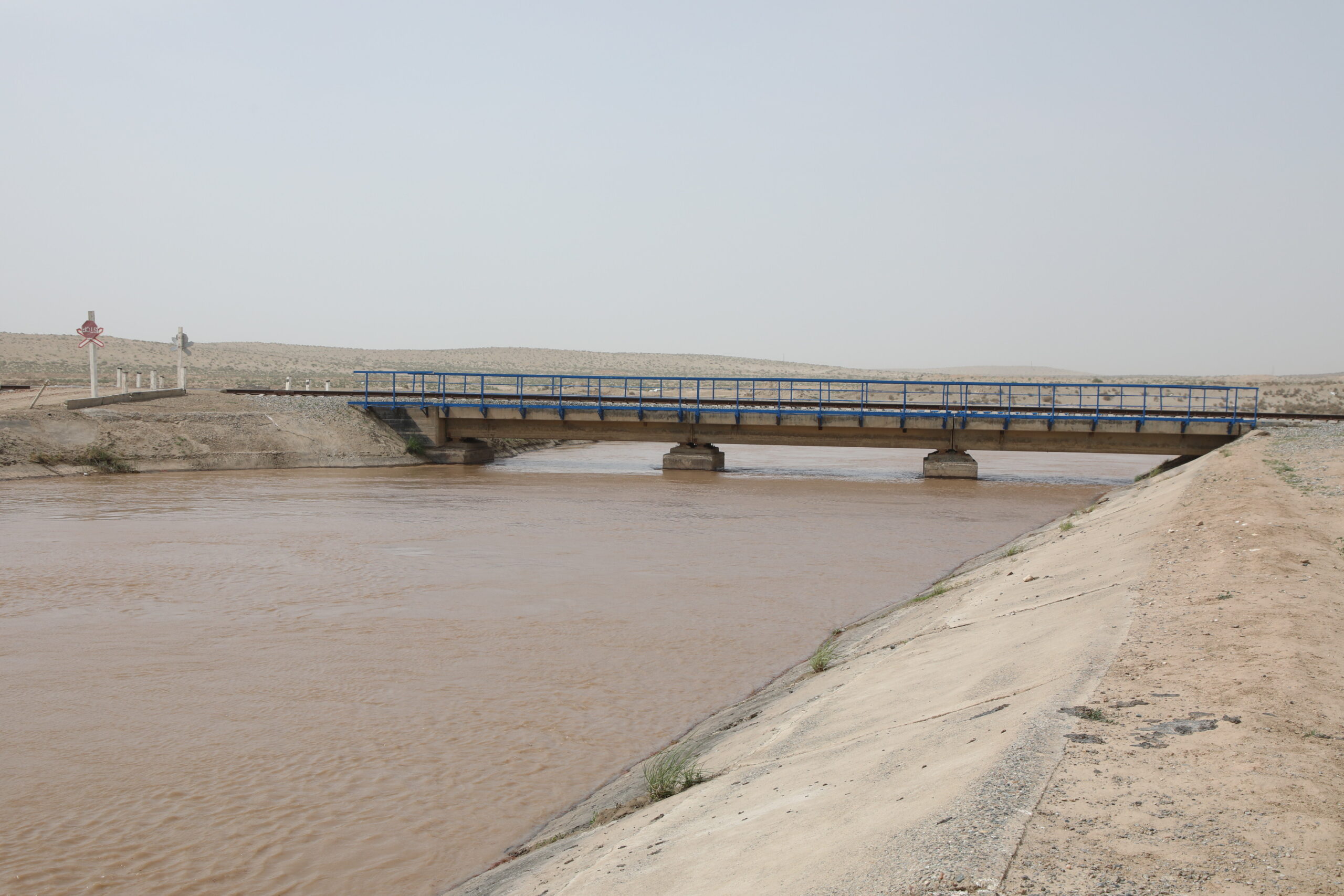
For decades, the region relied on Soviet-era water management frameworks that never accounted for Afghanistan as a primary stakeholder. Now, as the canal project advances to boost Afghan food security, the lack of an inclusive, modern treaty has turned a development necessity into a potential geopolitical flashpoint. Downstream nations face the prospect of unpredictable river levels, yet demanding that Kabul halt its only viable path to agricultural independence is neither realistic nor equitable.
The core of the crisis lies not in the volume of diverted water, but in the total absence of a shared governance mechanism. Climate change and inefficient irrigation already strain the Amu Darya; adding a unilateral, large-scale diversion without transparent data-sharing or joint monitoring creates an environment of suspicion. Regional governments must move beyond viewing the canal solely as a threat and instead prioritize the creation of a comprehensive water-sharing framework. This requires Afghanistan to engage in concrete, technical negotiations regarding seasonal allocations and flow projections, regardless of the broader political standoff over the government in Kabul. Failure to formalize these relationships risks transforming a shared lifeblood into a permanent, destabilizing fault line.



Comments (0)
No comments yet. Be the first!