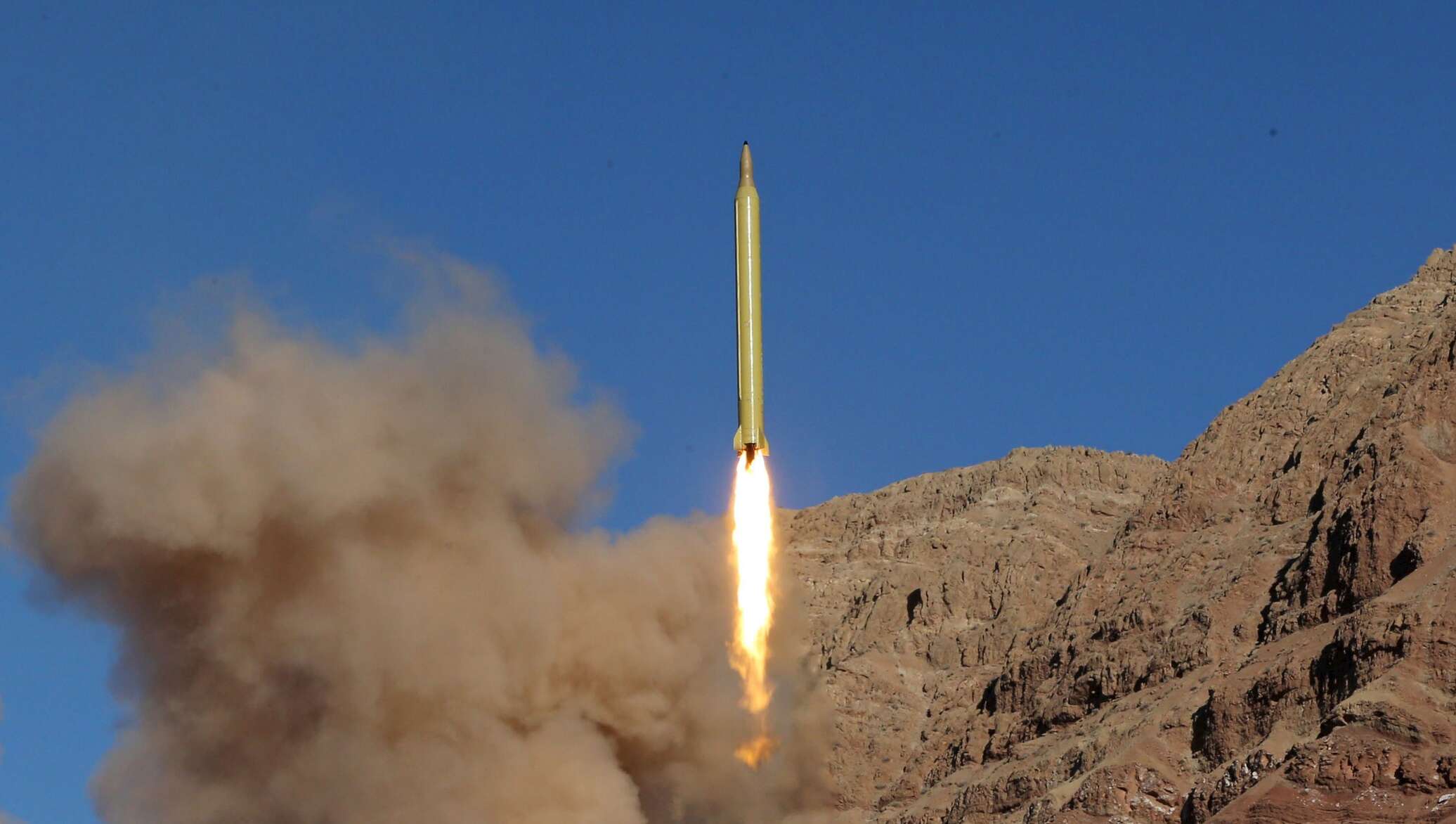
The gap between official rhetoric and operational reality is widening. While Defense Secretary Pete Hegseth recently claimed the U.S. had decimated Iran’s ability to produce weapons, internal assessments from Western officials paint a different picture: Iran’s missile stockpiles are not only stable but are being replenished. Evidence suggests that as Iran’s domestic production lines face pressure from a naval blockade and restricted access to raw materials, the regime has successfully outsourced its logistical survival to Moscow.
This shift transforms the Caspian Sea into a critical, yet largely unmonitored, artery for military aid. Despite Israeli strikes on the port of Bandar Anzali, a steady flow of Russian-made explosives, drone components, and potentially finished ballistic missiles continues to reach Tehran. This exchange creates a dangerous feedback loop between two theaters of war. Russia, which has leveraged Iranian drone technology since 2022, is now providing the critical hardware necessary for Iran to sustain its campaign against U.S. bases and regional shipping. The strategic trade-off is clear: Moscow is supplying the Middle East in exchange for economic breathing room, including a recent deal to ease fuel price pressures before the U.S. midterms.
Ultimately, the efficacy of the ongoing military campaign against Iran will be measured by its next major salvo. If Tehran maintains its previous firing rate of roughly 47 missiles per day, the official narrative of a destroyed industrial base will collapse. More importantly, any debris from Russian-made hardware recovered in the Gulf would force a direct confrontation between Washington’s desire to contain Iran and its pragmatic, yet fragile, energy-related truce with the Kremlin.




Comments (0)
No comments yet. Be the first!