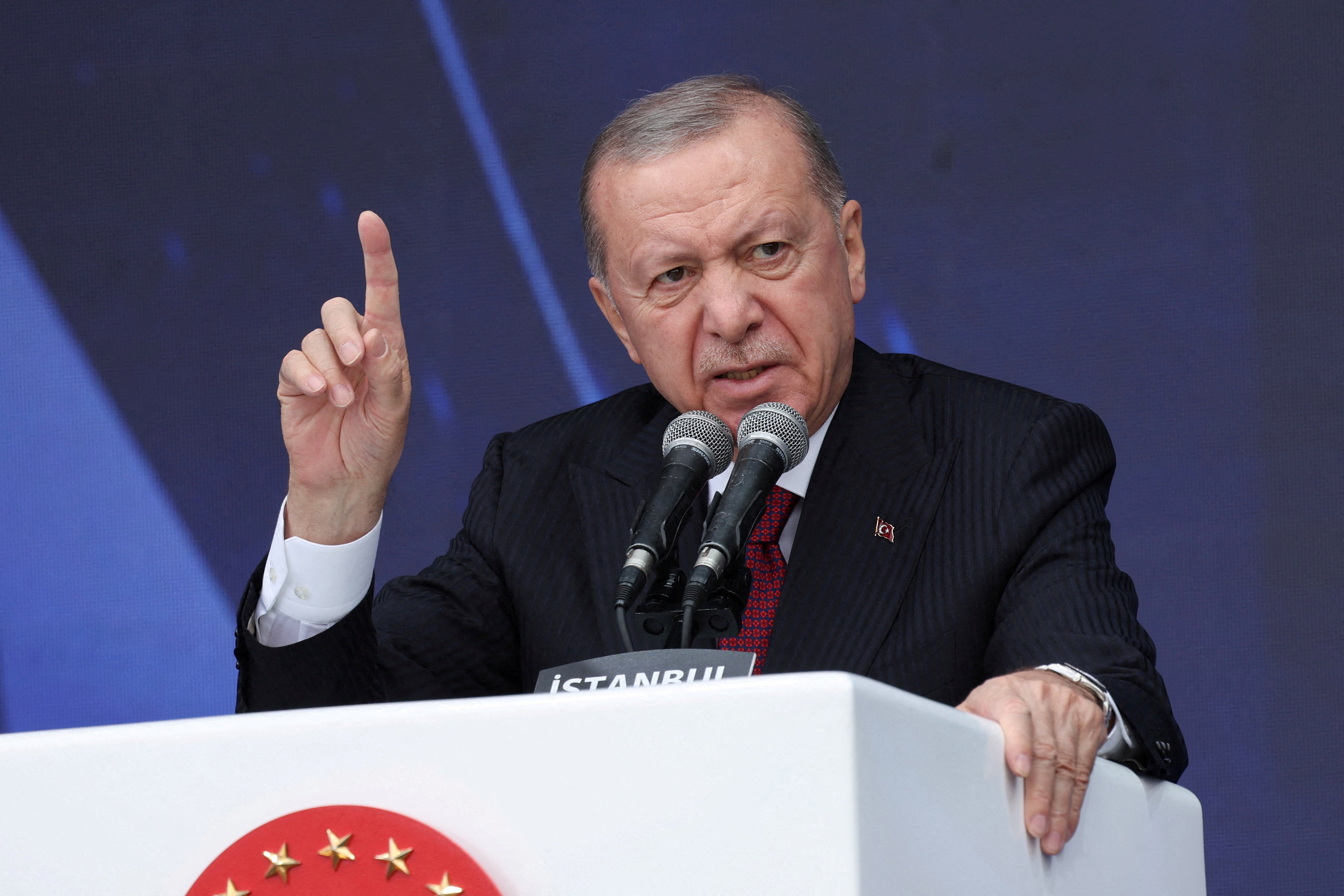
The era of using EU accession as a lever for Turkish judicial and media reform is effectively over. While the formal framework for democratic conditionality lingers, it has been severed from the real-world instruments that define modern European policy. Today, Turkey’s integration into European structures—or its exclusion—is governed by territorial disputes and defense-industrial logic rather than the state of its domestic institutions.
This shift is most visible in the EU’s €150 billion defense procurement instrument, SAFE. Turkey’s exclusion from this initiative is not a consequence of its crackdown on media or opposition figures like Istanbul Mayor Ekrem İmamoğlu. Instead, it is the result of specific vetoes by Greece and Cyprus, rooted in long-standing maritime and territorial disagreements. Ankara understands this dynamic clearly: if access to European resources depends on managing the concerns of Athens and Nicosia rather than adhering to democratic norms, domestic repression carries little tangible cost.
Bilateral deals, such as the £8 billion agreement to supply Eurofighter Typhoons, further demonstrate how commercial and strategic interests bypass the EU’s collective political standards. By treating democratic backsliding as a domestic Turkish affair while simultaneously deepening defense-industrial dependencies, Europe is making a high-stakes gamble. It assumes that a state with increasingly hollowed-out institutions remains a reliable partner. Yet, as history shows, a foreign policy dependent solely on the calculations of one individual is inherently volatile. Rather than moralizing, Europe’s failure lies in its lack of risk management—treating the erosion of Turkish institutional stability as an irrelevant factor in long-term security planning.




Comments (0)
No comments yet. Be the first!