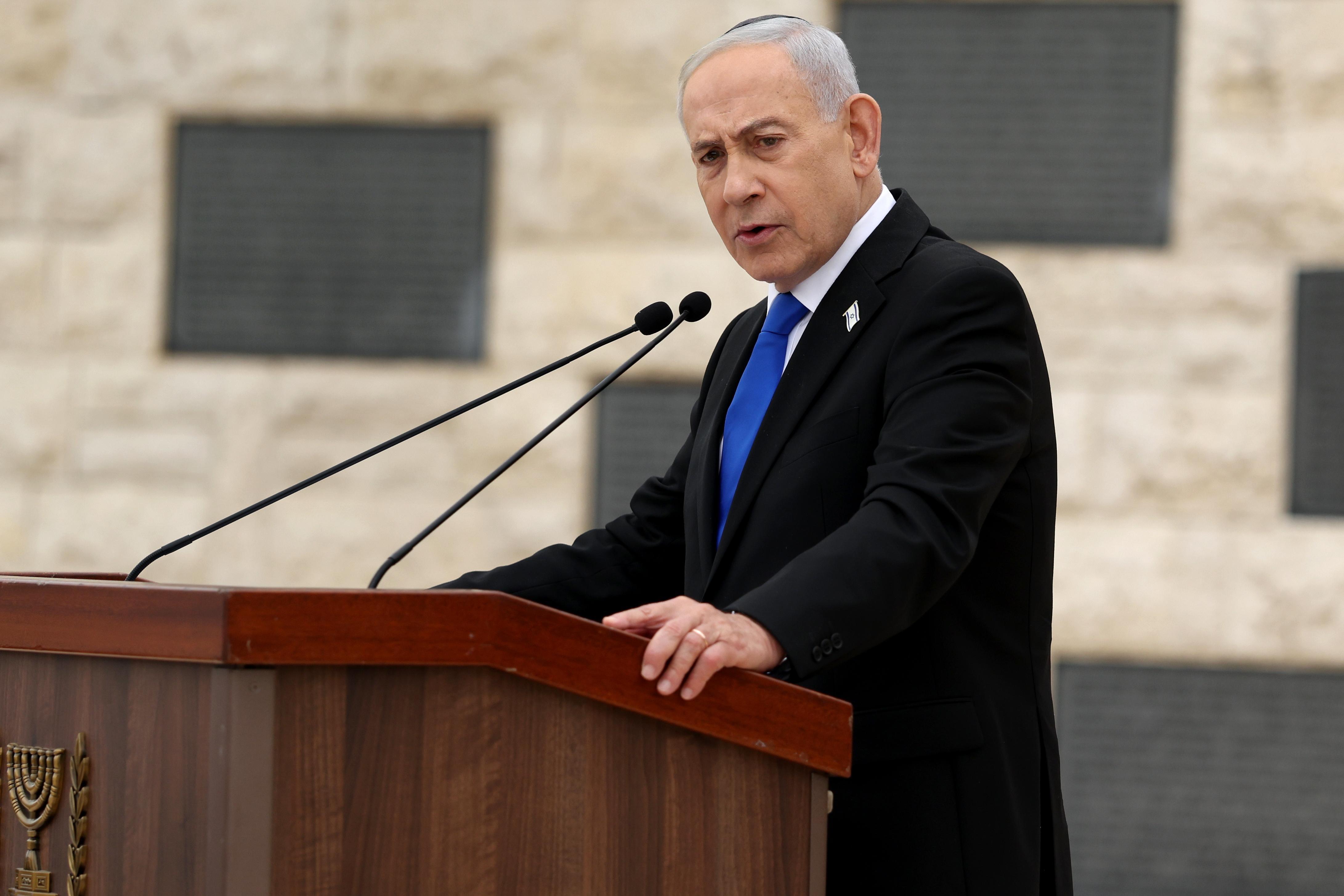
The October 7, 2023, Hamas attacks and subsequent conflicts in Gaza and Lebanon have calcified Israel’s security doctrine. Current policy rests on three pillars: the neutralization of Iranian influence, the enforcement of external buffer zones, and a preemptive military posture. Analysts observe that while Netanyahu’s Likud and Gadi Eisenkot’s Yashar party differ on rhetoric and diplomatic style, they remain unified on the rejection of Palestinian statehood and the necessity of settlement expansion.
Expert consensus suggests that any transition of power would merely alter the implementation of these policies rather than their objectives. A government led by Netanyahu’s rivals might attempt to temper international criticism by curbing settler violence, but the fundamental security vision remains driven by a consistent military establishment. Michael Young notes that the consensus on confronting Iran creates a rigid framework that limits the potential for meaningful policy shifts. Meanwhile, the region faces mounting instability as rising settler violence and Palestinian discontent threaten to spark wider clashes, independent of the ballot box. Despite Netanyahu’s stated goal of dismantling the Iranian regime, military experts argue that only a full-scale invasion could force a shift in Tehran’s position, an outcome few see as viable in the current climate.




Comments (0)
No comments yet. Be the first!