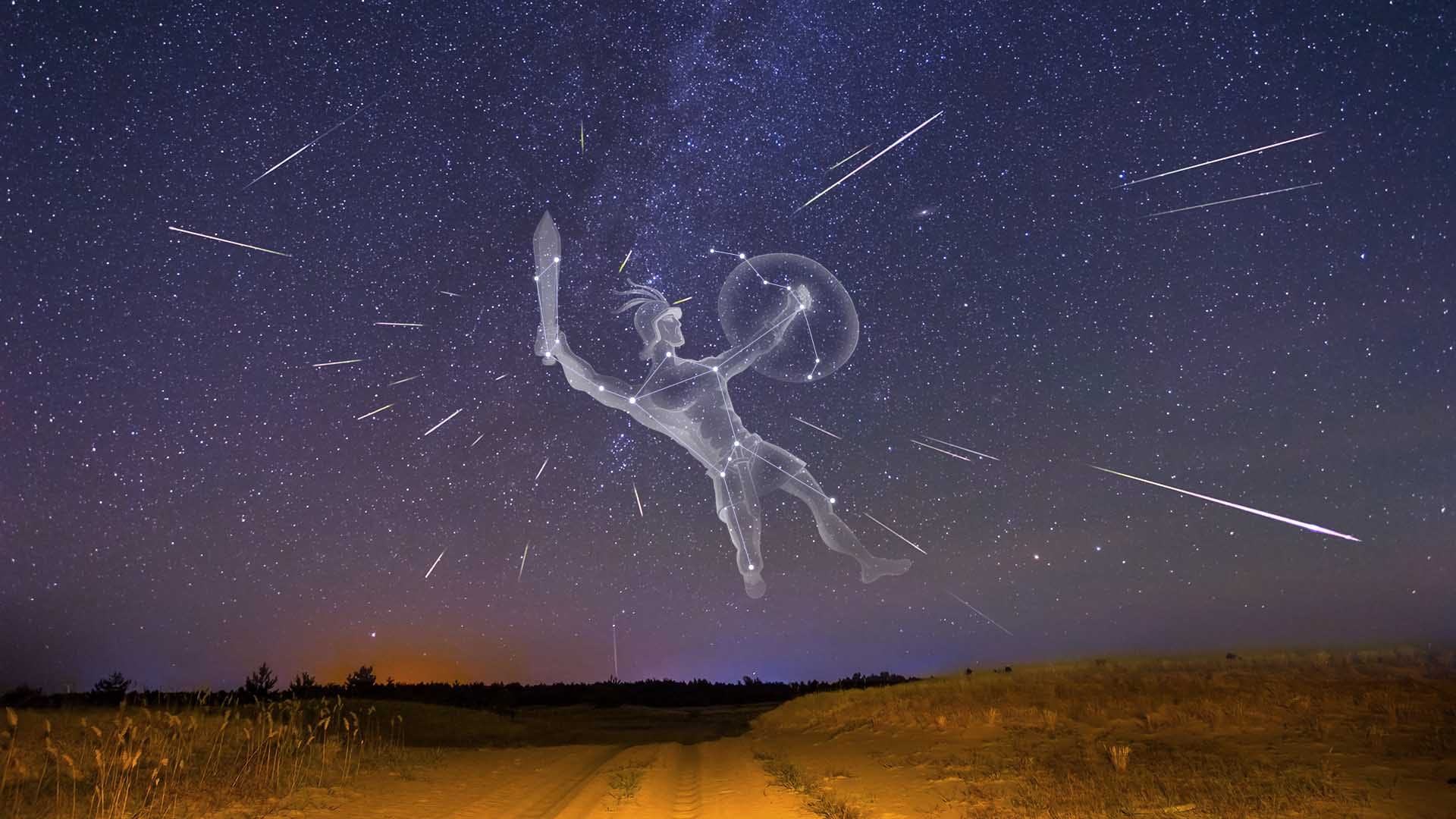
The celestial event remains active from October 2 through November 7, with the highest frequency of shooting stars occurring between October 21 and 22. Forbes reports that viewers should anticipate 10 to 20 meteors per hour during the peak, which settles at approximately 18:00 UTC on October 21. For observers in India, the optimal window arrives at 3:30 AM on October 22.
While a luminous moon may obscure fainter trails during the evening, the pre-dawn hours offer the best visibility. Astronomers advise finding a location shielded from artificial city light and allowing at least 20 minutes for eyes to adapt to the darkness. No specialized equipment is required to witness the event, which features some of the fastest meteors of the year. Beyond the current display, scientists are already planning a 2030s mission to intercept the parent object, 1P/Halley, ahead of its next solar approach in 2061.


Comments (0)
No comments yet. Be the first!