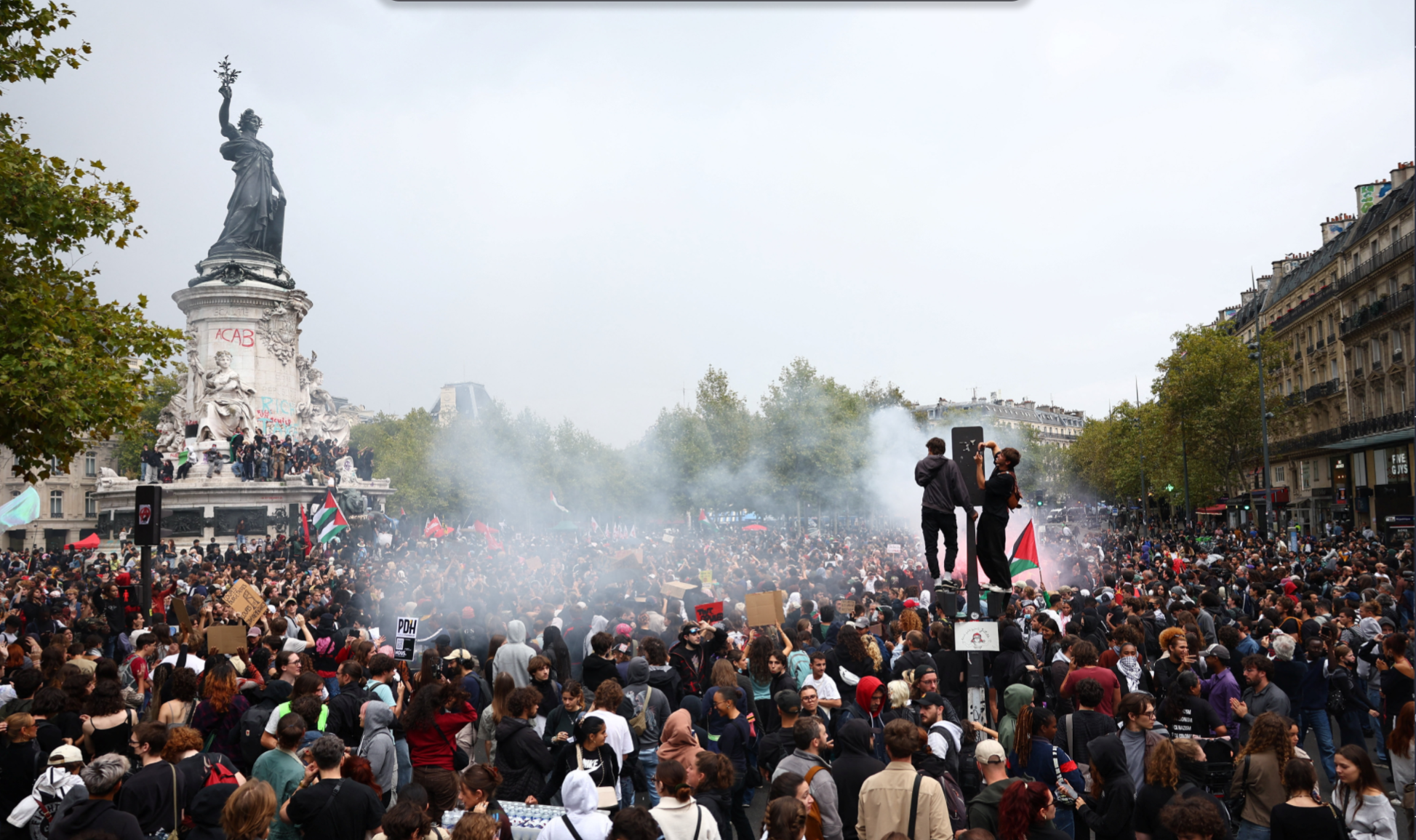
Prime Minister Sébastien Lecornu confirmed that targeted curfews will remain in effect to maintain order, though he acknowledged significant security failures during the initial outbreaks. Justice Minister Gérald Darmanin reported that 123 people are already awaiting trial, while the broader investigation into the unrest continues. The protests, which originated as high-school strikes against deteriorating educational facilities, have rapidly evolved into a wider expression of public frustration regarding housing, healthcare, and economic instability.
The political stakes are intensifying ahead of next year’s presidential elections. Various factions are attempting to leverage the instability, while the student union UNEF and groups linked to the yellow vest movement have pledged to continue their actions. Although major labour unions like the CGT have refrained from joining the upcoming Saturday protests, the convergence of student groups and those protesting fuel costs threatens to broaden the scope of the unrest. Lecornu has promised an internal review of the government's response, admitting that tactical errors occurred during the weekend’s violence. Ultimately, the administration must address the underlying economic pressures driving these demonstrations, as temporary security measures provide only a brief reprieve from the systemic anger currently gripping French streets.


Comments (0)
No comments yet. Be the first!