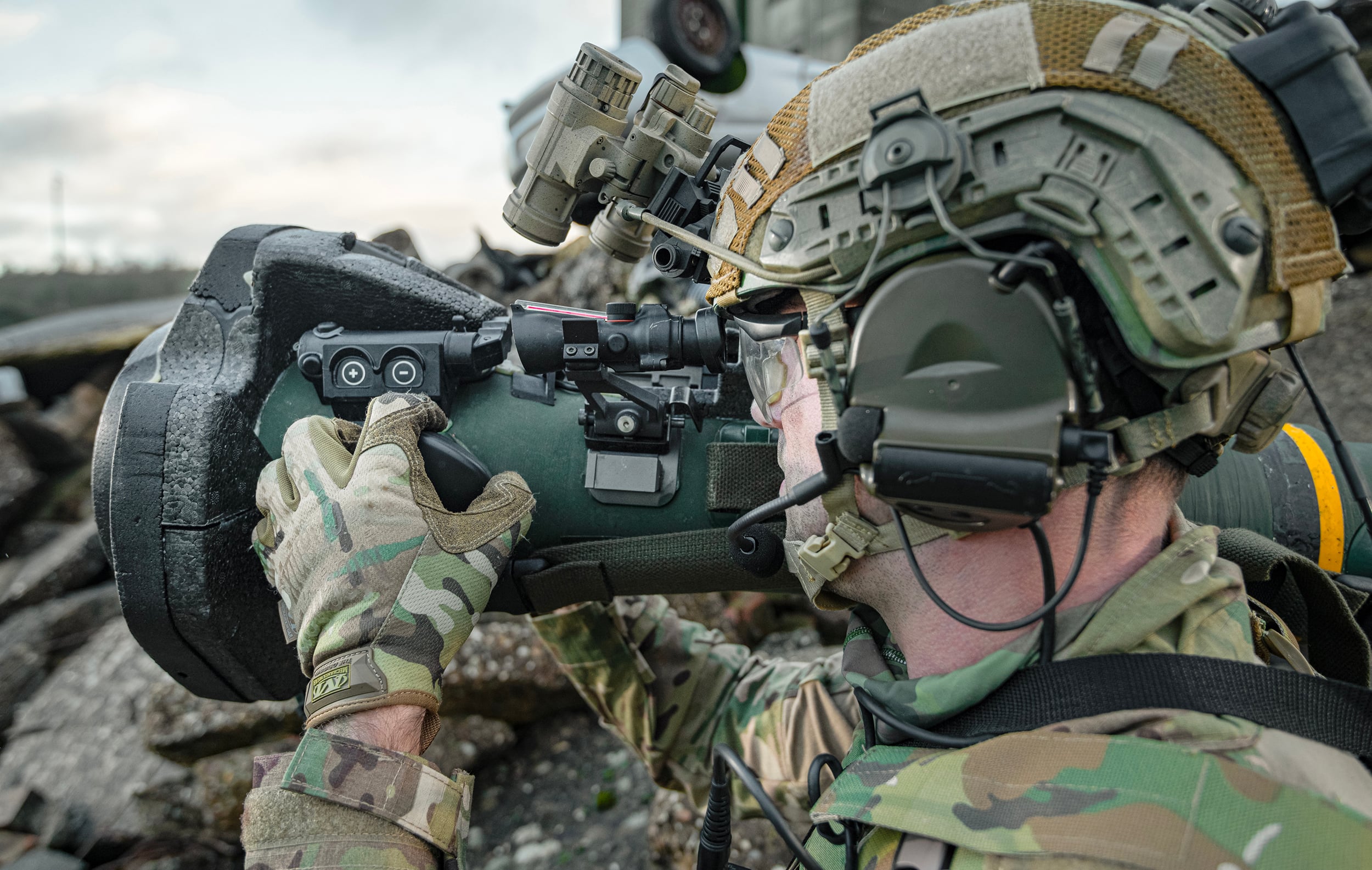
The European Defence Agency warns that rising budgets alone will not fix systemic inefficiencies. When nations prioritize national orders, they gain speed but sacrifice interoperability, often leaving partners unable to provide spare parts or technical support for essential machinery. Even with the EU’s Readiness 2030 plan—a sprawling €800 billion framework—the mechanism relies on national governments choosing to pool their resources rather than acting alone.
Financial tools like the Security Action for Europe (SAFE) loan programme attempt to bridge this divide by requiring participants to partner with at least one other state to unlock funding. However, the requirement does not guarantee consensus. Governments frequently clash over specific equipment preferences, delivery timelines, and the desire to support domestic manufacturers. Because defence remains a strictly national prerogative, leaders remain wary of ceding control to Brussels, often opting for local contracts to satisfy domestic political pressure. Unless these nations align their long-term military requirements, the current influx of capital risks reinforcing existing national silos rather than building a cohesive, integrated European force.


Comments (0)
No comments yet. Be the first!