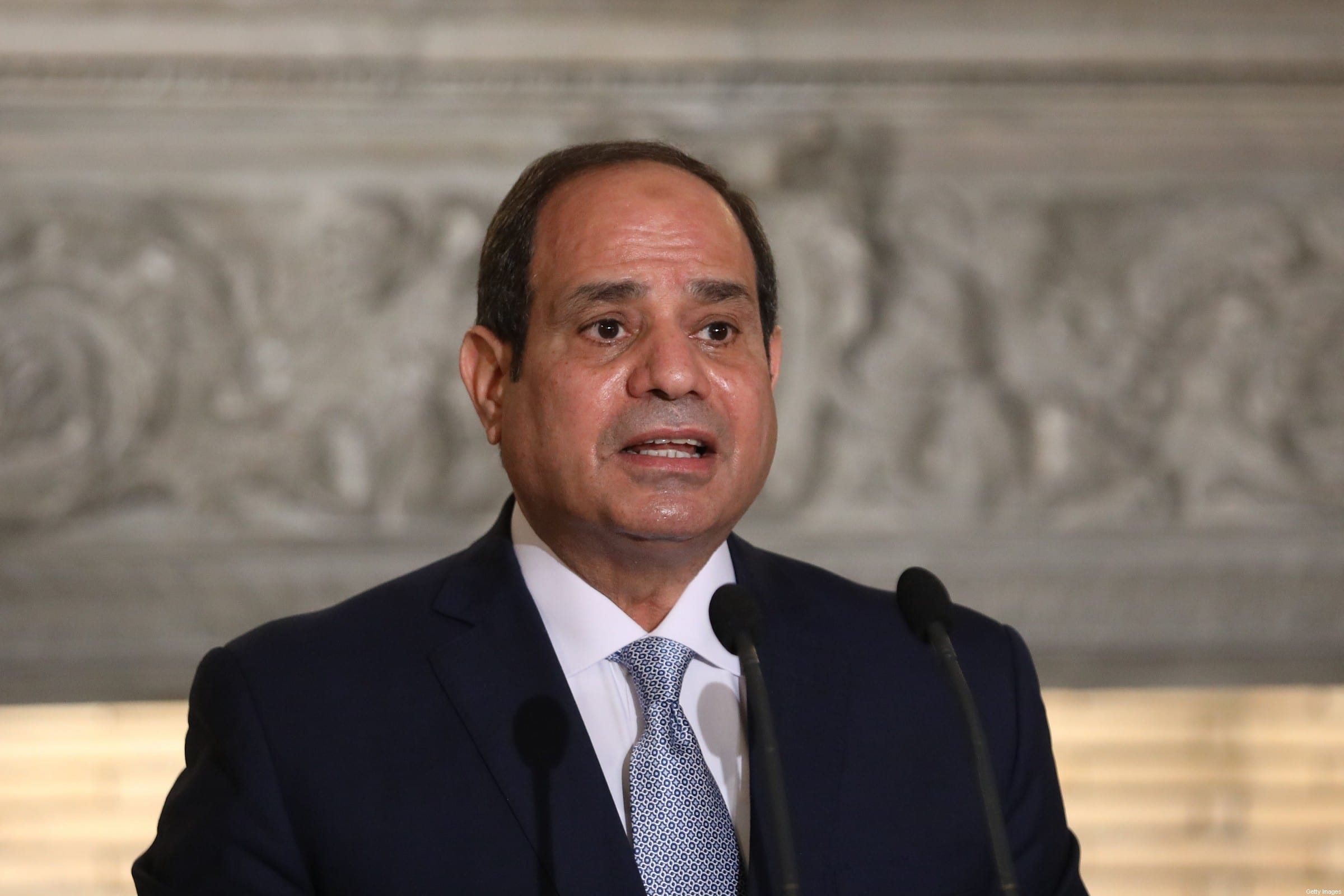
For years, Egypt maintained a cautious distance from direct combat roles in Gulf conflicts, despite deep financial ties and consistent diplomatic support for its neighbors. The current pivot follows intense consultations between Sisi and Saudi Crown Prince Mohammed bin Salman, specifically concerning the security of the Bab el-Mandeb Strait and the Red Sea. With Egypt’s Suez Canal revenues directly linked to the stability of these waterways, the threat to regional infrastructure has moved beyond a secondary concern.
Economic necessity remains a primary driver for the military expansion. Saudi Arabia serves as a critical financial backer for Egypt, providing substantial central bank deposits and hosting millions of Egyptian workers whose remittances are essential to offsetting domestic inflation. Following a series of drone strikes on regional energy assets, including an incident in Damietta, Cairo appears to have concluded that its economic survival and security are inseparable.
While the mandate for military action remains broad, analysts anticipate a strategic, rather than infantry-heavy, engagement. Egypt is expected to leverage its significant air and naval capabilities to bolster Saudi defenses rather than committing to ground operations in Yemen. Given that Cairo maintains a massive military apparatus supported by $1.3 billion in annual US aid, the shift toward a more proactive, defensive role is designed to reinforce regional resilience without entangling the nation in the unconventional, attritional warfare that defines the Houthi insurgency.



Comments (0)
No comments yet. Be the first!