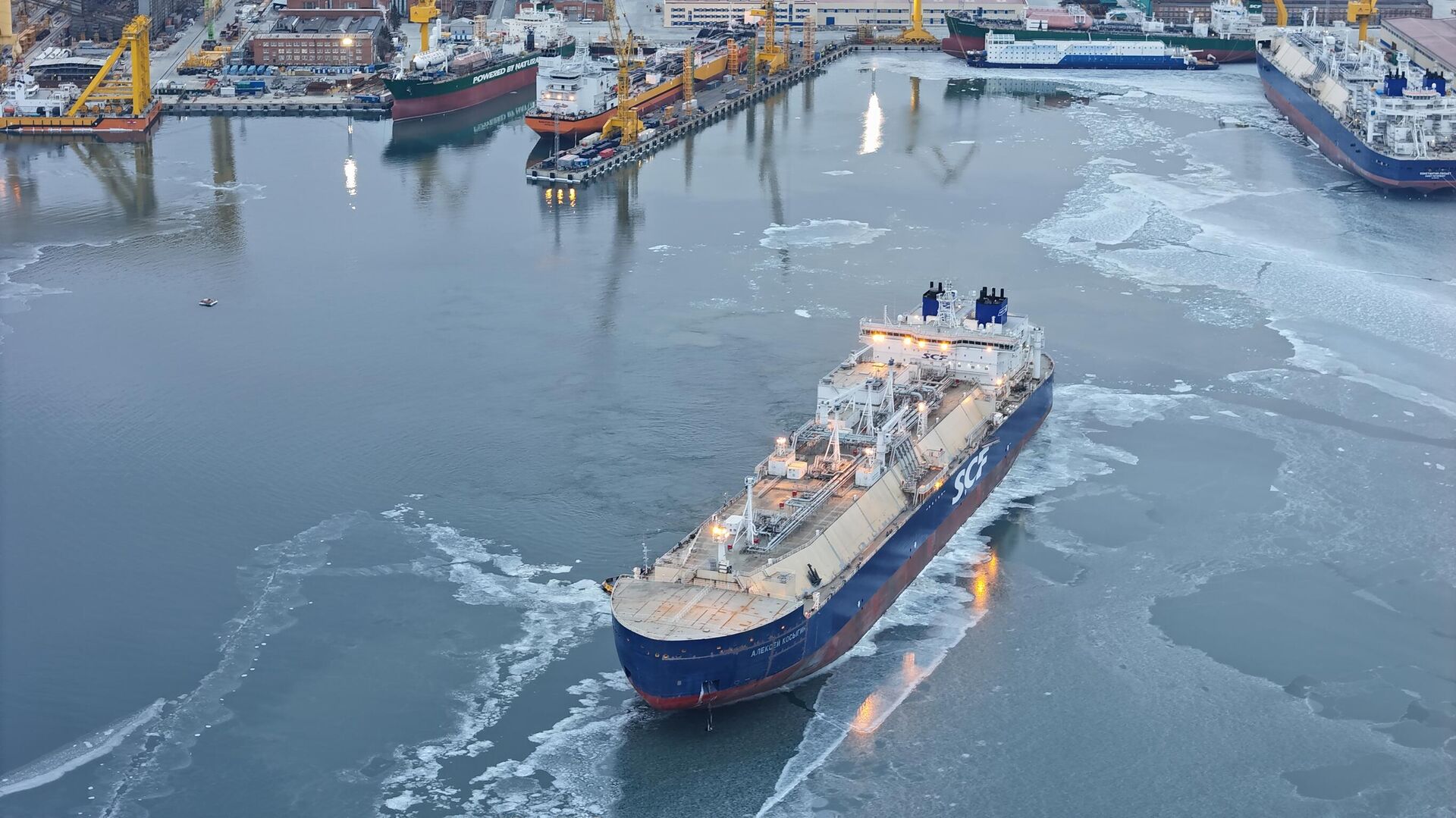
The economic calculus for Russian exporters has shifted dramatically as global tanker freight rates reach record highs. While the Northern Sea Route remains a cost-intensive endeavor—necessitating expensive icebreaker support—it has become a more competitive alternative to traditional routes disrupted by instability in the Middle East and Ukraine. Asian refiners, facing a scarcity of affordable supply, are increasingly turning to these northern shipments to avoid the premiums attached to US crude.
Gazprom Neft is currently driving this expansion, aiming for a 35% increase in seasonal shipments. Projections indicate an additional 5 to 10 million barrels will transit the route before the current navigation season concludes. Looking further ahead, the Kremlin anticipates a significant scaling of this infrastructure. President Putin has set a target for cargo turnover to reach 70 million metric tons annually by the end of the decade, a goal underpinned by the ramp-up of Rosneft’s Vostok Oil project and emerging liquefied natural gas exports from the Arctic shelf.


Comments (0)
No comments yet. Be the first!