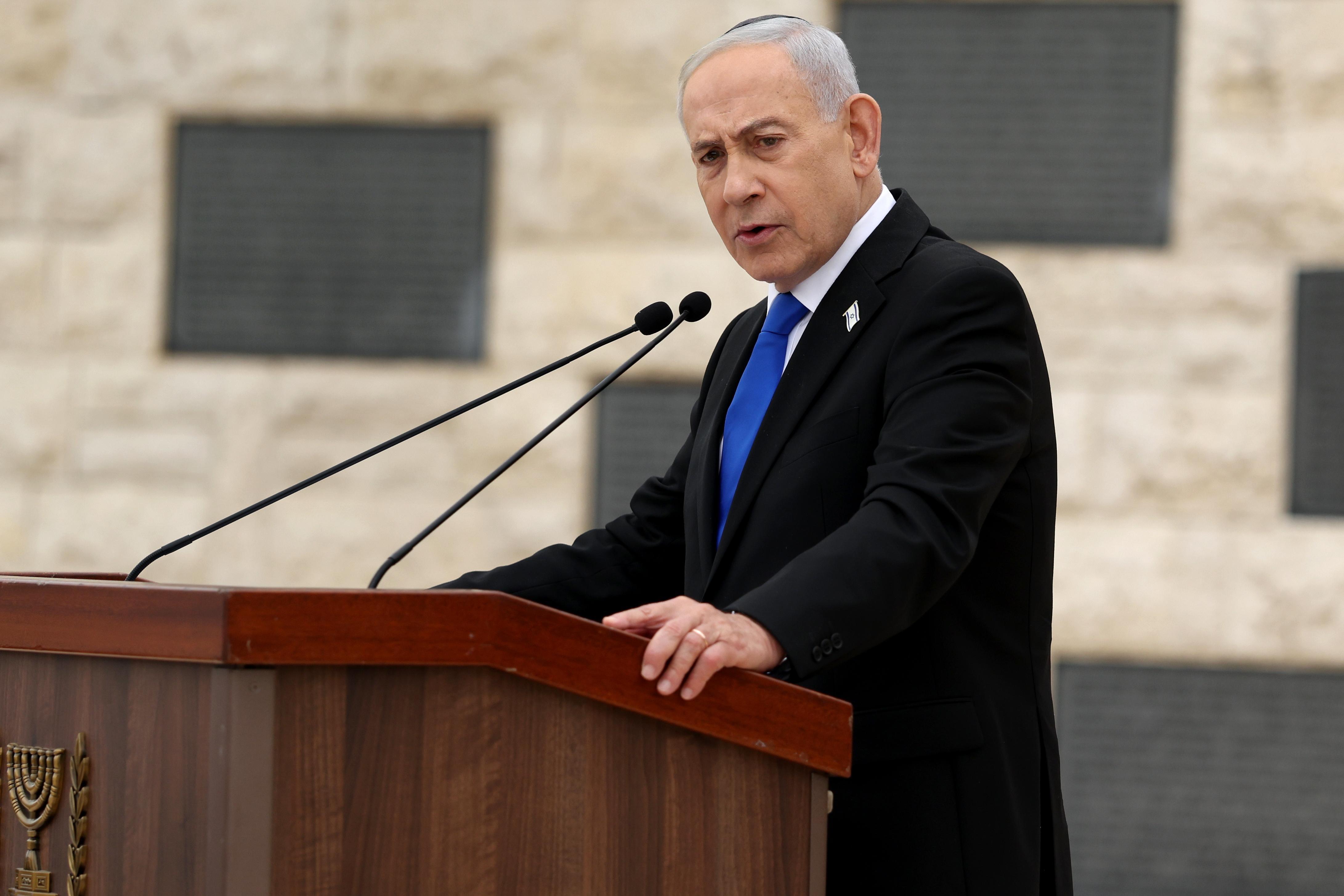
Polls suggest a significant shift in the political landscape, as trust in Netanyahu’s leadership has eroded following the outbreak of war in Gaza, Lebanon, and Iran. While the Prime Minister maintains support for his military strategy, his long-standing reputation as a security guarantor has been severely compromised. His rivals are capitalizing on this vulnerability, positioning themselves as fresh alternatives to his lengthy tenure and ongoing legal challenges.
Former military chief Gadi Eisenkot has emerged as a potent challenger, leveraging his personal sacrifices during the conflict to contrast his image with Netanyahu’s political entrenchment. Alongside him, former Prime Ministers Naftali Bennett and Yair Lapid—who previously formed a rare, diverse coalition to unseat Netanyahu in 2021—are attempting to rebuild a consensus. Meanwhile, figures like Avigdor Lieberman continue to peel away support from the right.
Israel’s parliamentary system requires a 120-seat Knesset, where no single party has historically secured an outright majority. This necessitates complex coalition building, often granting outsized influence to small, ideological factions. Netanyahu’s current reliance on ultra-Orthodox parties has become a particular flashpoint, as their demands remain deeply contentious during a period of national wartime mobilization. As parties finalize their candidate lists, the competition remains fluid, with the electorate poised to decide whether to maintain the current right-wing coalition or pivot toward a new governing direction.


Comments (0)
No comments yet. Be the first!