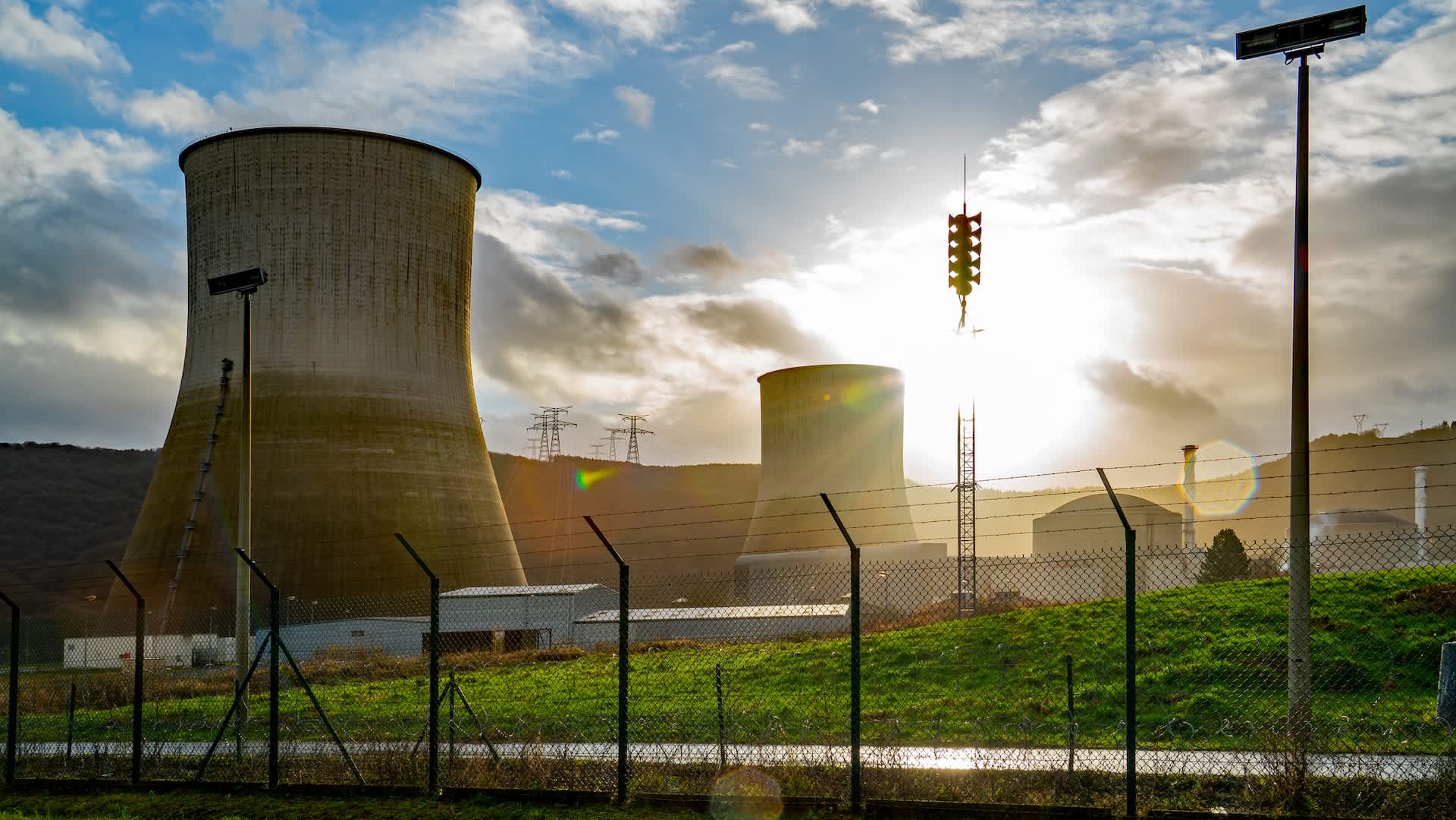
The U.S. power sector faces an unprecedented challenge: meeting a projected increase in generation capacity of 150 gigawatts over the next five years. Given that a standard nuclear reactor produces roughly 1 gigawatt, fulfilling this requirement would necessitate the construction of 150 reactors—a timeline that experts note typically spans a decade. Current reliance on wind and solar remains insufficient due to the intermittent nature of renewable output, which fails to satisfy the constant, high-load requirements of AI infrastructure.
Beyond power, the industry faces a critical shortage of copper, an essential component for electrical transmission. Gömöri warns that major deposits are often located in politically unstable regions, and the lead time for bringing new mines online spans years. This physical bottleneck is compounded by financial skepticism, as firms like OpenAI burn billions annually with no clear path to profitability. Much like the 2000 tech crash, where firms like Cisco saw their earnings grow while stock prices stagnated for decades, the current AI valuations appear disconnected from economic reality, driven more by herd psychology than by tangible, long-term value.


Comments (0)
No comments yet. Be the first!