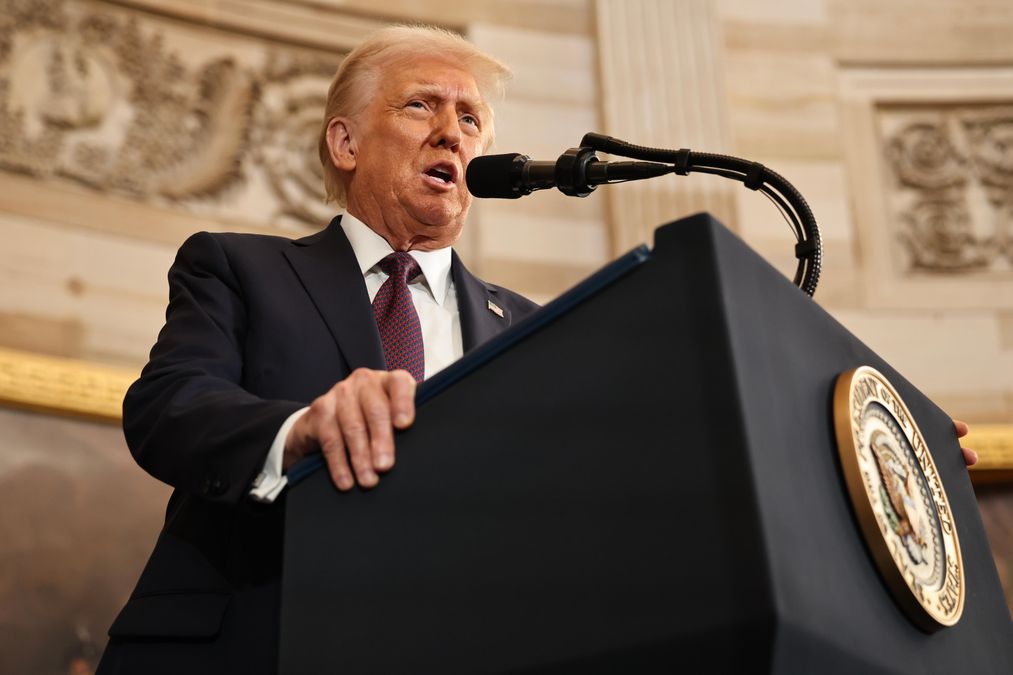
The scale of this cycle is unprecedented, with campaign spending hitting a staggering $3.8 billion by mid-October. While the presidency is not on the ballot, the legislative math is unforgiving: Republicans currently hold a narrow 218-214 majority in the House and a 53-47 advantage in the Senate. Democrats require a net gain of four seats in either chamber to disrupt the current status quo.
The Battle for Congressional Control
Trump’s standing is increasingly fragile, underscored by a September Reuters/Ipsos poll placing his approval rating at a historic low of 32%. Economic anxiety—driven by persistent inflation and household costs—is the primary engine fueling Democratic momentum. In key battlegrounds spanning Texas, Ohio, and Michigan, the party is banking on voter enthusiasm to override the substantial financial backing Republicans have secured, including $366 million in support from Elon Musk.
Should Democrats capture the House, the political landscape will shift toward immediate confrontation. House Democratic leader Hakeem Jeffries has signaled a clear intent to launch rigorous investigations into administration policies, potentially stalling the president’s "One Big Beautiful Bill" legislative package. Conversely, a Republican hold would grant Trump a final two-year window to cement his domestic priorities, including further tax cuts and defense spending. With state-level contests for governor and legislature also in play, the November results will dictate the trajectory of American policy well beyond the current term, effectively setting the stage for the 2028 presidential cycle.




Comments (0)
No comments yet. Be the first!