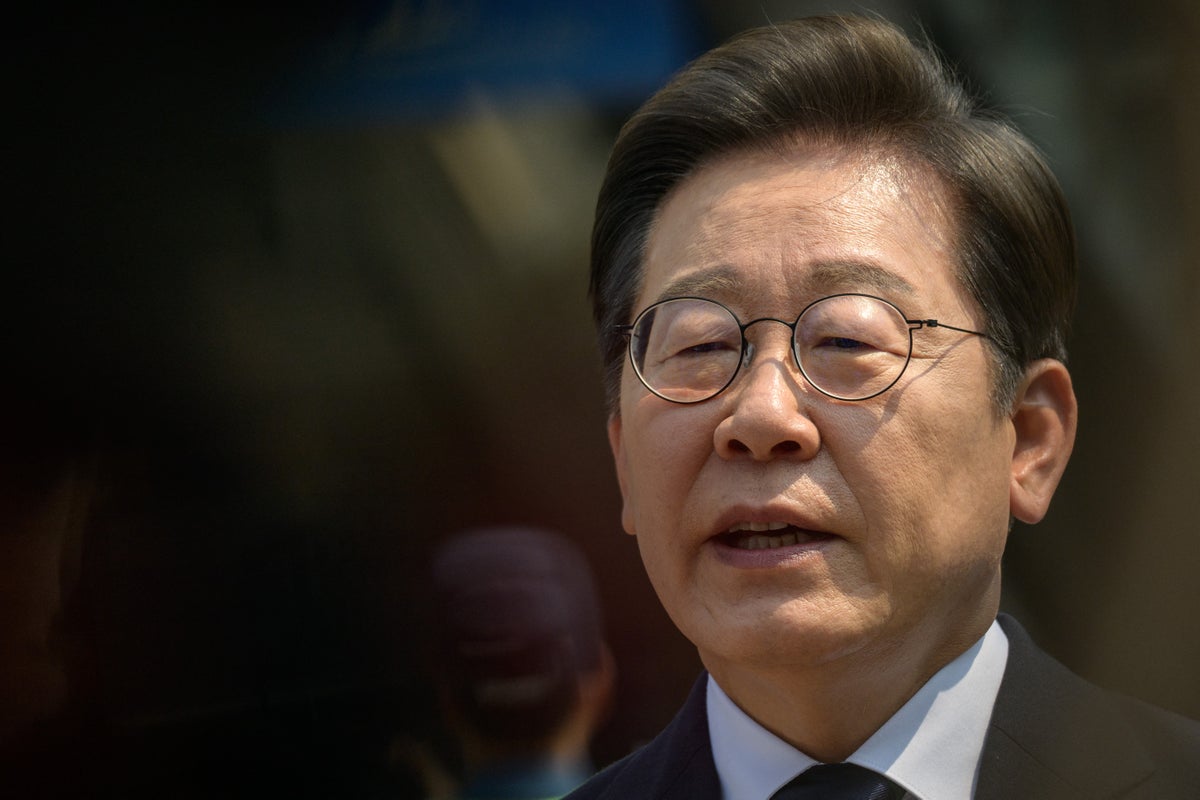
The current command structure traces back to the 1950–1953 Korean War, when the US assumed control of forces fighting under the United Nations Command. Although Seoul has long sought to reclaim this authority as a hallmark of national sovereignty, the process requires meeting stringent operational benchmarks. Lee maintains that the nation’s military strength is sufficient to manage the threat posed by North Korea, arguing that nuclear capabilities are a final defense measure rather than a hurdle for conventional command.
Washington remains cautious, emphasizing that any shift must not compromise the deterrent posture of the 28,500 US troops stationed in the region. General Xavier Brunson, commander of US Forces Korea, has pointed toward a 2029 target for meeting necessary conditions, a timeline that aligns closely but not perfectly with Seoul’s ambitions. The final decision rests on whether the allies can reconcile South Korea’s push for autonomy with the technical and strategic requirements of maintaining a unified defense against a nuclear-armed North.



Comments (0)
No comments yet. Be the first!