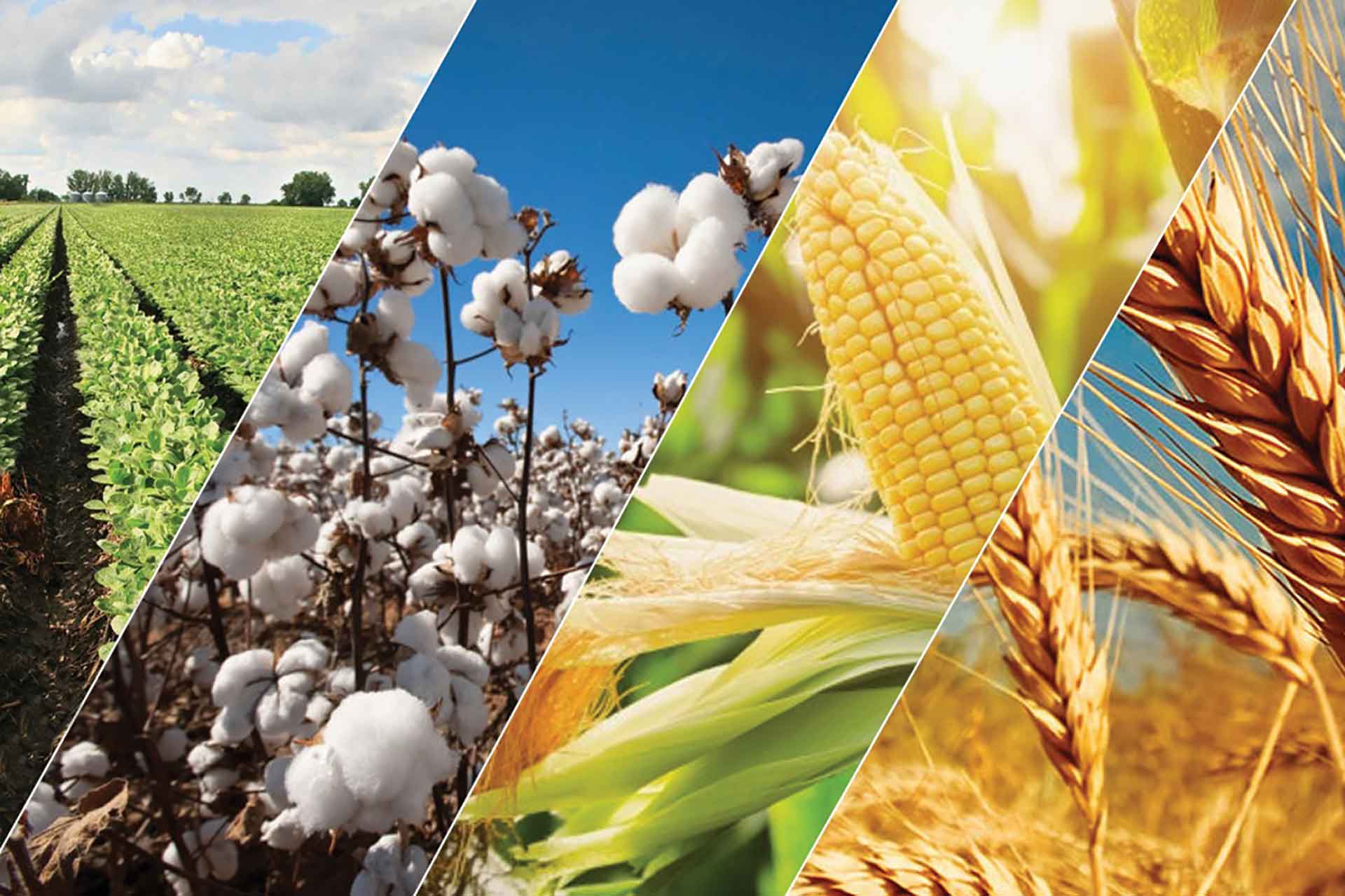
The U.S. weather agency NOAA forecasts a 90 percent probability of a strong El Niño event by winter 2026/27, with some models predicting temperature anomalies exceeding 3 degrees Celsius. While the peak occurs in the Pacific, the agricultural impact typically arrives with a six to twelve-month delay. Regions including Australia, India, and Southeast Asia face the highest risk of harvest disruption.
Simultaneously, the geopolitical landscape is eroding the supply chain for essential agricultural inputs. According to WisdomTree, the conflict in the Middle East has shuttered 31 ammonia plants, while drone strikes have damaged at least 20 facilities in Russia. Because Gulf states provide nearly 44 percent of global seaborne urea and sulfur exports, the loss of this production capacity is expected to keep fertilizer costs elevated for years.
Market reactions are already pronounced. Wheat prices have surged 42 percent this year despite record production forecasts, driven by port disruptions in the Black Sea and a 130 percent spike in speculative positioning. Conversely, commodities like cocoa and soybeans remain buffered by high inventories, though sugar faces a dual threat: poor monsoon rainfall in India and high energy costs incentivizing Brazilian mills to prioritize ethanol over sugar production.


Comments (0)
No comments yet. Be the first!