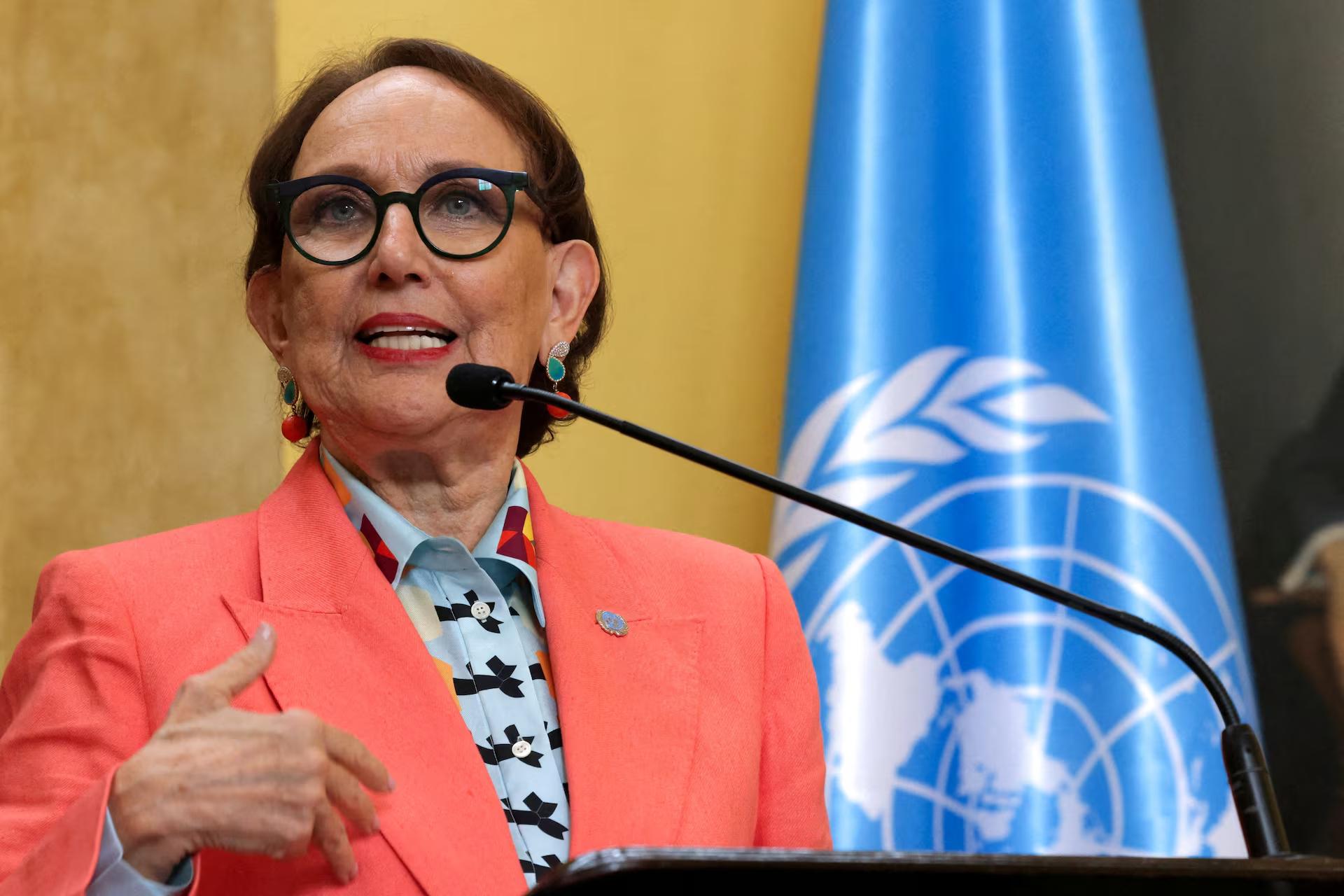
The race to replace Guterres, who concludes his term in December, is complicated by the rigid dynamics of the Security Council. While Grynspan has emerged as the frontrunner, the upcoming round of voting will specifically distinguish ballots from the five permanent members, exposing potential vetoes that could derail her candidacy. A successful appointment requires at least nine votes from the fifteen-member Council, provided no permanent member objects. This process forces candidates into a delicate diplomatic equilibrium: they must project enough authority to lead while remaining palatable to powers with diverging strategic interests.
Beyond the personality of the next leader, the UN is contending with a profound fiscal crisis. Arrears in assessed contributions have nearly doubled since 2022, forcing operational cutbacks and staffing reductions. The United States, the organization’s largest donor, has conditioned its financial support on aggressive institutional reforms, even as it continues to make selective payments to specific agencies. This climate of austerity and political friction dictates the constraints of the next mandate. Grynspan has advocated for structural consolidation and a more assertive mediation posture, yet her ability to implement such changes remains tethered to the political goodwill of the member states that control the purse strings. Regardless of who secures the position, the successor will inherit an organization where administrative efficiency cannot substitute for the consensus required to address global crises.




Comments (0)
No comments yet. Be the first!