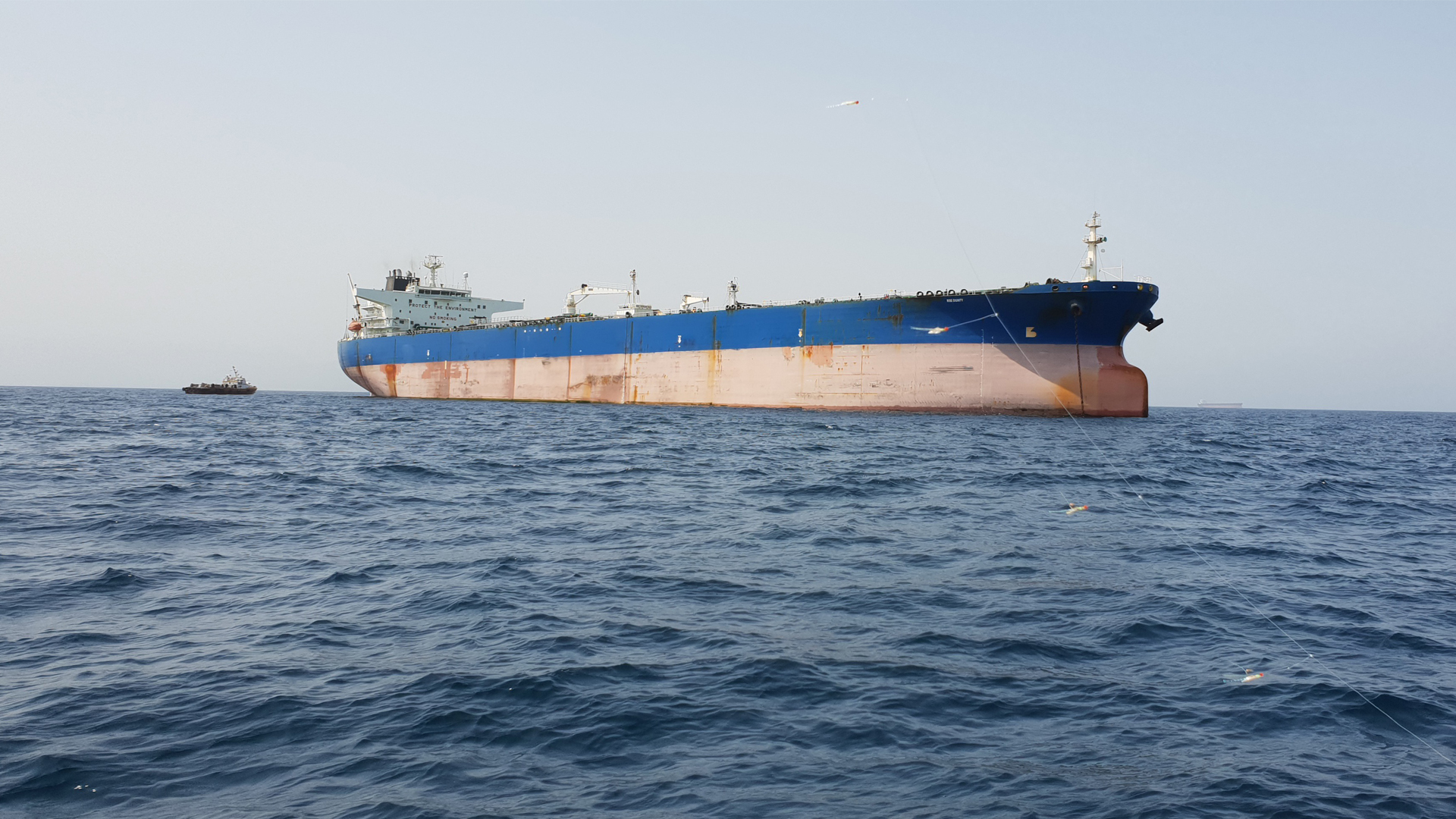
The appearance of recovery is deceptive. Although Gulf crude exports reached 15.5 million barrels a day in September—roughly 80% of pre-conflict volumes—this stability relies on the rapid depletion of onshore stocks, which have hit their lowest levels since 2016. Emergency reserves are also nearing exhaustion; IEA chief Fatih Birol noted that 325 million of 400 million barrels in emergency releases have already been deployed. As these buffers vanish, the premium on physical oil continues to climb, with North Sea Dated grades nearing $160 due to surging freight and insurance costs.
Security is equally expensive. The U.S. naval blockade ties up over 30% of the fleet, with the Pentagon spending roughly $32.5 million daily to maintain a presence that risks diverting critical assets from the Indo-Pacific. Meanwhile, Iran continues to hold the strait as a strategic card, using selective tanker attacks and proxy threats to maintain leverage as its own economy craters. With gas storage in Europe at record lows and winter approaching, the market’s ability to survive another disruption remains highly uncertain. The current system is not a solution, but a temporary purchase of time that is rapidly running out.



Comments (0)
No comments yet. Be the first!