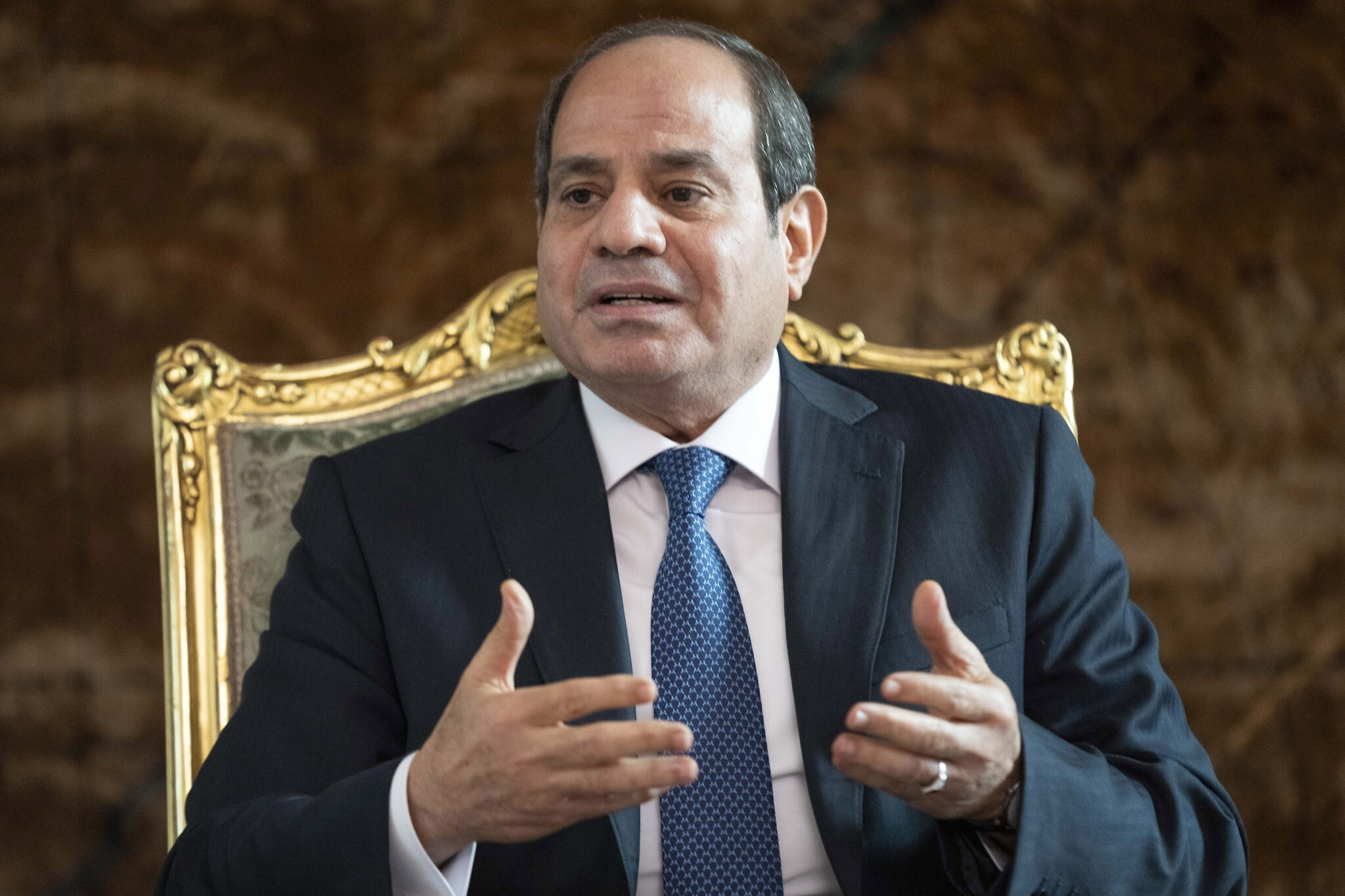
The pact functions less like a collective security guarantee and more like a series of transactional arrangements. Pakistan, which has long maintained a military presence in the kingdom, has essentially relabeled its existing forces while simultaneously seeking a $6.7 billion oil financing facility from Riyadh. Turkey, meanwhile, leverages the agreement to pursue defense contracts, such as the potential sale of air-defense systems and KAAN fighters, while maintaining its own diplomatic backchannel to Tehran. Egypt remains the most cautious partner, viewing the security of the Red Sea as an existential economic necessity due to the $11 billion in losses suffered by the Suez Canal, yet it insists on a formal, public request before committing any troops.
This structure explains why Riyadh remains cold to Iranian mediation offers. By positioning itself as the aggrieved party in a broken 2023 Beijing agreement, the Saudi government refuses to let Tehran turn a failure of restraint into a diplomatic favor. Instead, the kingdom uses the pact to demonstrate that it is not isolated while Washington is preoccupied with its election cycle. The true test of this arrangement will be whether Riyadh ever issues a formal request for intervention. Until then, these partners serve as an audience, providing the defensive infrastructure and political optics necessary to negotiate with Tehran from a position of perceived strength.


Comments (0)
No comments yet. Be the first!