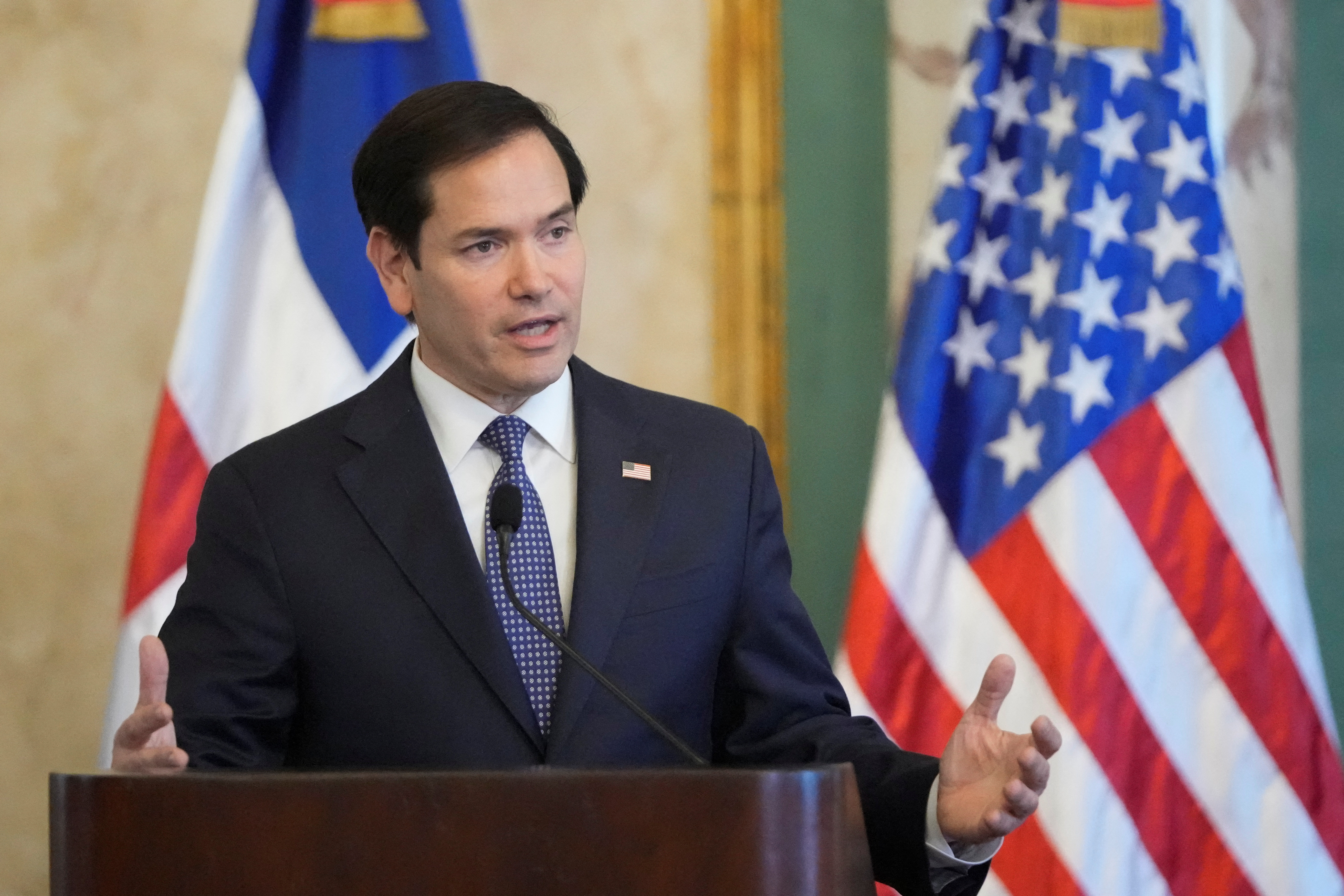
The shift in American policy creates a new geopolitical reality for Central Asian capitals. For years, the threat of secondary sanctions served as a deterrent against the transshipment of dual-use goods like drone parts and chips to Russia. However, by pausing the Graham–Blumenthal sanctions law and striking a concurrent deal to import Russian diesel, the White House has devalued the credibility of its own threats. Central Asian governments are now adjusting their risk assessments, recognizing that US enforcement may fluctuate based on electoral calendars and fuel prices rather than policy consistency.
This creates a complex environment where compliance is becoming a transactional asset. Kazakhstan, Kyrgyzstan, and Uzbekistan are effectively weighing their options: they can leverage tighter export controls to secure Western investment in minerals or, conversely, utilize looser enforcement as a diplomatic bargaining chip with Moscow. While the European Union remains a more predictable enforcer of trade restrictions, the American pivot complicates the regional landscape. As Rubio engages with local leaders, the outcome of the C5+1 talks will reveal whether Washington intends to restore enforcement as a firm rule or if it has permanently transformed its sanctions regime into a tool of short-term political convenience.



Comments (0)
No comments yet. Be the first!