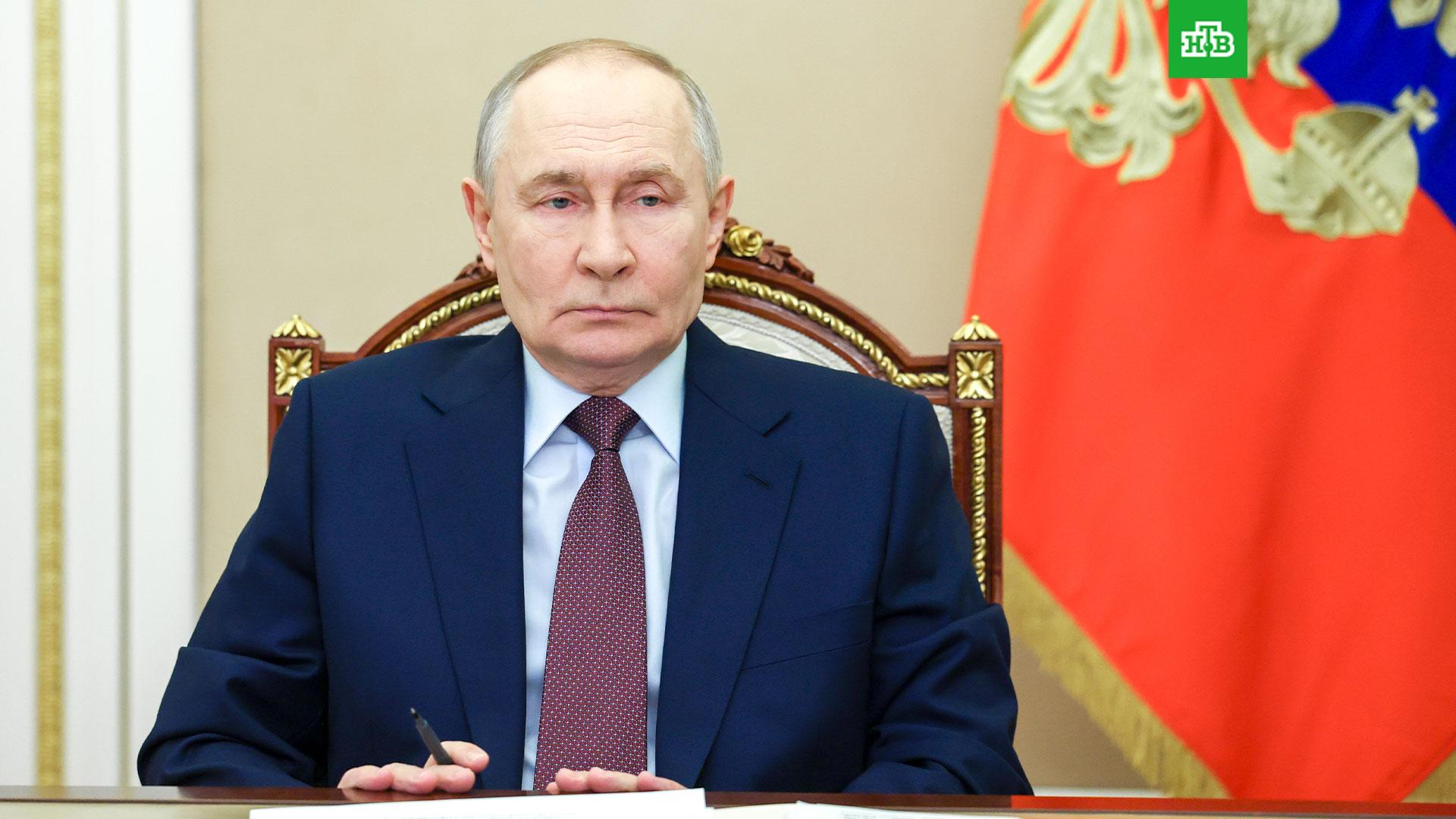
The upcoming Moscow summit serves as a critical juncture for Russia’s efforts to solidify its standing as an alternative partner to Western nations. Following previous gatherings in Sochi and St. Petersburg, the 2026 event seeks to move beyond declarations toward concrete commercial execution. Russian officials, led by Presidential Aide Yury Ushakov, are emphasizing sovereign equality and the development of non-Western financial mechanisms to bypass international sanctions. The agenda focuses on scaling up cooperation in agriculture, digitalization, and peaceful nuclear power, with a specific emphasis on training local specialists to ensure long-term sustainability.
Despite these diplomatic goals, structural hurdles persist. Critics note that while Russia has signed hundreds of bilateral agreements since 2019, the lack of robust credit lines and financial infrastructure remains a bottleneck for African enterprises. Meanwhile, competition for influence is intensifying as other global powers offer rival development packages. For Russia, the challenge lies in shifting from a supplier of raw commodities to a partner capable of delivering the industrial infrastructure and value-added manufacturing that African nations are increasingly demanding to secure their own economic sovereignty.




Comments (0)
No comments yet. Be the first!