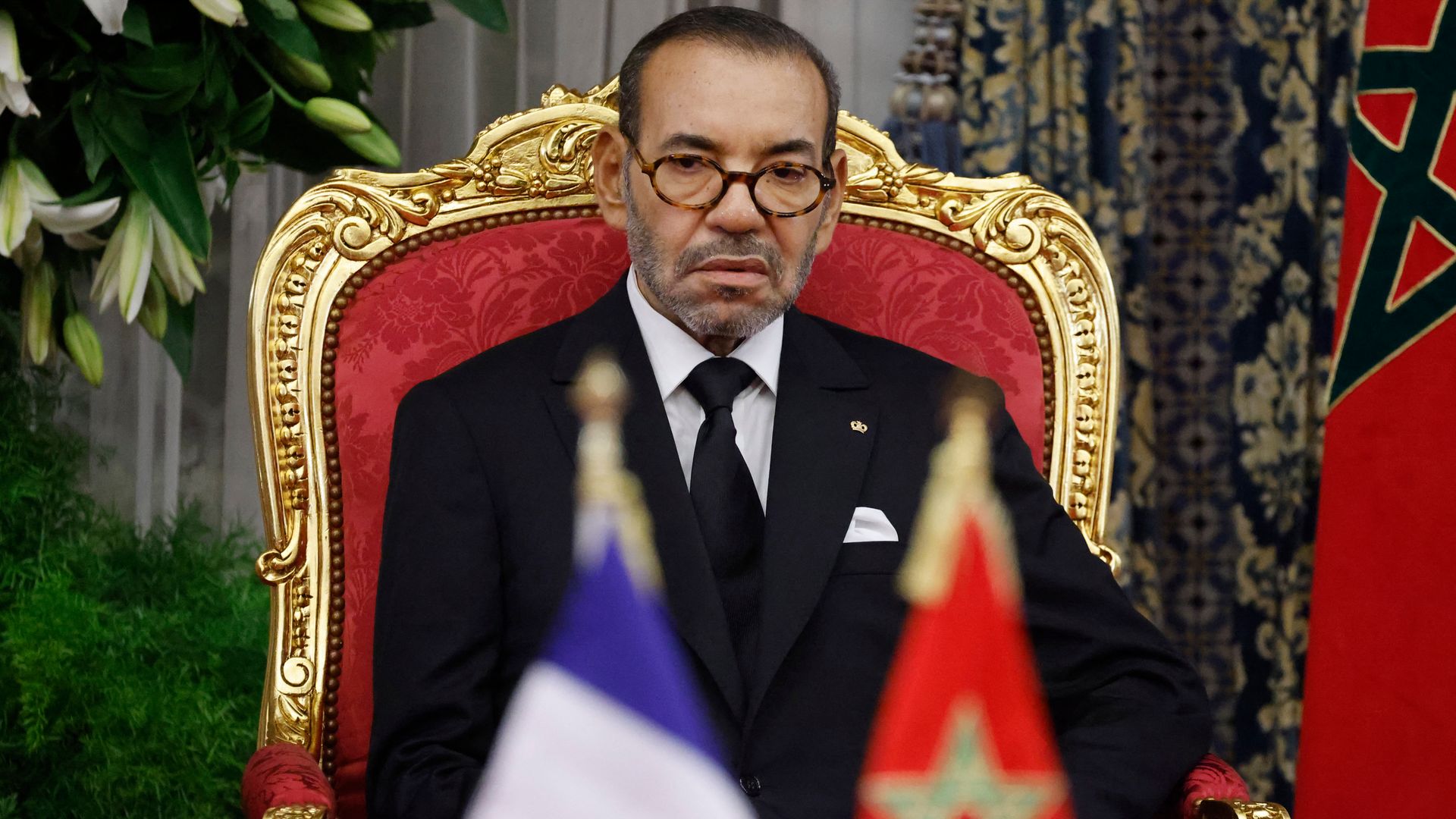
The King’s statecraft relies on a distinctive blend of strategic patience and the development of national capabilities, such as infrastructure and intelligence, to achieve what is termed functional sovereignty. This is most evident in the Sahara issue, which now serves as a primary litmus test for all international partnerships. By refusing to be the exclusive preserve of any single power, Rabat has transformed its diplomatic crises with Washington, Paris, Madrid, Berlin, and Stockholm into opportunities to solidify its autonomy.
In Washington, this meant defending the Kingdom’s position during the 2013 MINURSO mandate dispute while maintaining the strategic bedrock of the American alliance. Conversely, the recent rapprochement with France and Spain demonstrates a more aggressive reengineering of interdependence. By positioning Morocco as a vital node in Atlantic and Mediterranean logistics, the monarchy ensures that its partners have a tangible, material incentive to respect Moroccan sovereignty. This doctrine of strategic sovereignty effectively moves beyond mere survival, creating a framework where Morocco’s regional influence is built on the reliability of its infrastructure and the strength of its diversified global networks.



Comments (0)
No comments yet. Be the first!