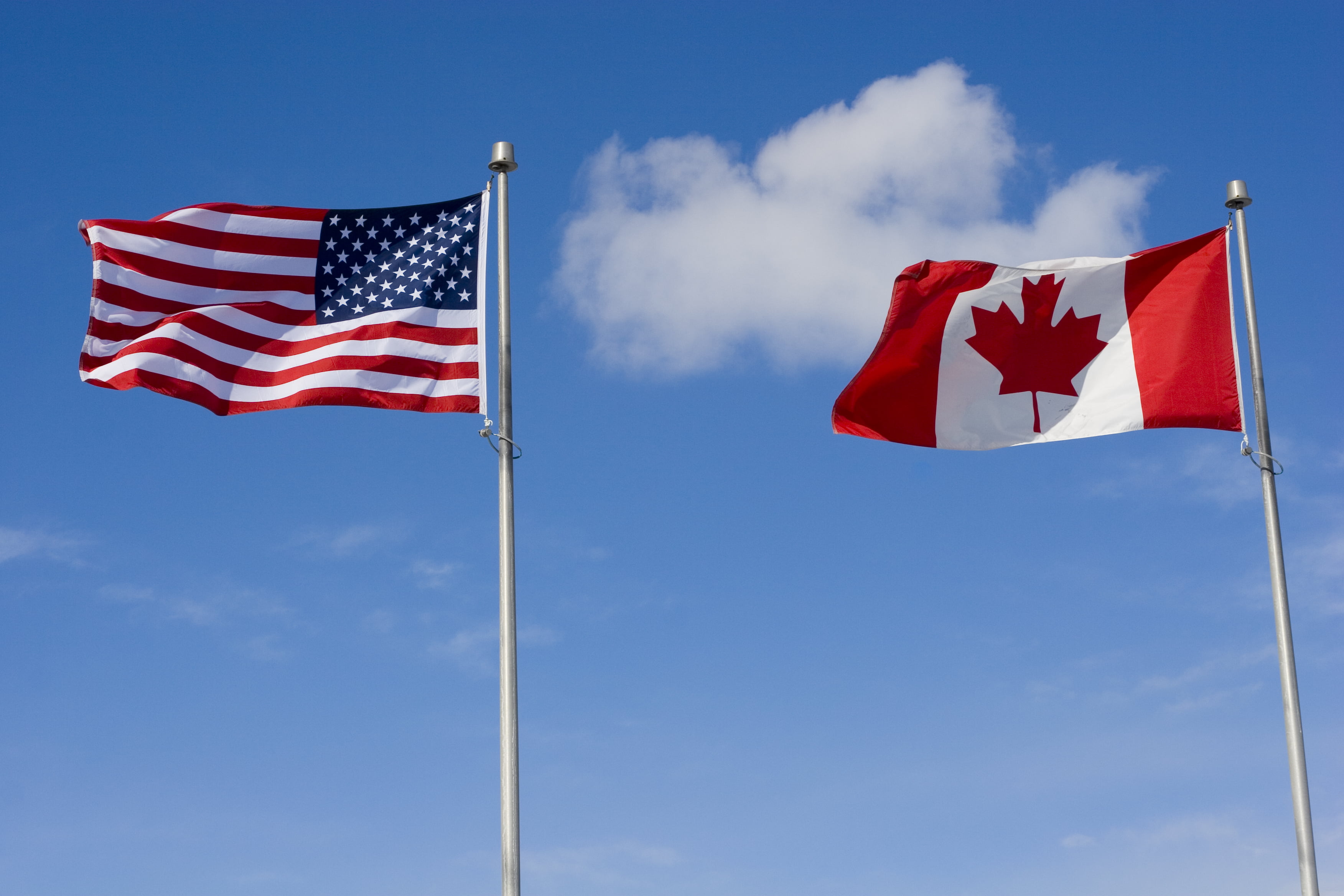
The strategic temptation to secure the Arctic and unify the North American landmass aligns with historical patterns of regional hegemony. Analysts like John J. Mearsheimer have long argued that powerful states naturally seek to dominate their immediate surroundings to secure impassable borders. As the Arctic becomes navigable, the northern littoral transitions from a barrier to a front, making the consolidation of Canadian territory a logical, if aggressive, progression for Washington.
However, the administrative absorption of Canada would not be seamless. The U.S. would likely move to dismantle Canada’s parliamentary system and cabinet-driven executive, instead reclassifying provinces into new states. This shift would necessitate a reconfiguration of the U.S. Senate and House of Representatives. Yet, the most significant friction lies in the cultural and economic divergence between the two nations. Canada’s emphasis on bureaucratic dirigisme and social redistribution stands in contrast to the American focus on individual property rights and a Protestant work ethic rooted in competitive entrepreneurialism.
Furthermore, the integration of the Canadian electorate would introduce a volatile element into American politics. With Canada’s high levels of gender-polarized voting and a strong preference for expansive social entitlements, the nation would act as a significant challenge to existing U.S. political coalitions. Whether under a Republican or Democratic administration, the occupation would trigger a rebalancing of the American social contract, likely eroding the very cultural homogeneity that some might seek to preserve through annexation. The erasure of Canada would not be a simple expansion, but a transformation of the American state itself.




Comments (0)
No comments yet. Be the first!