
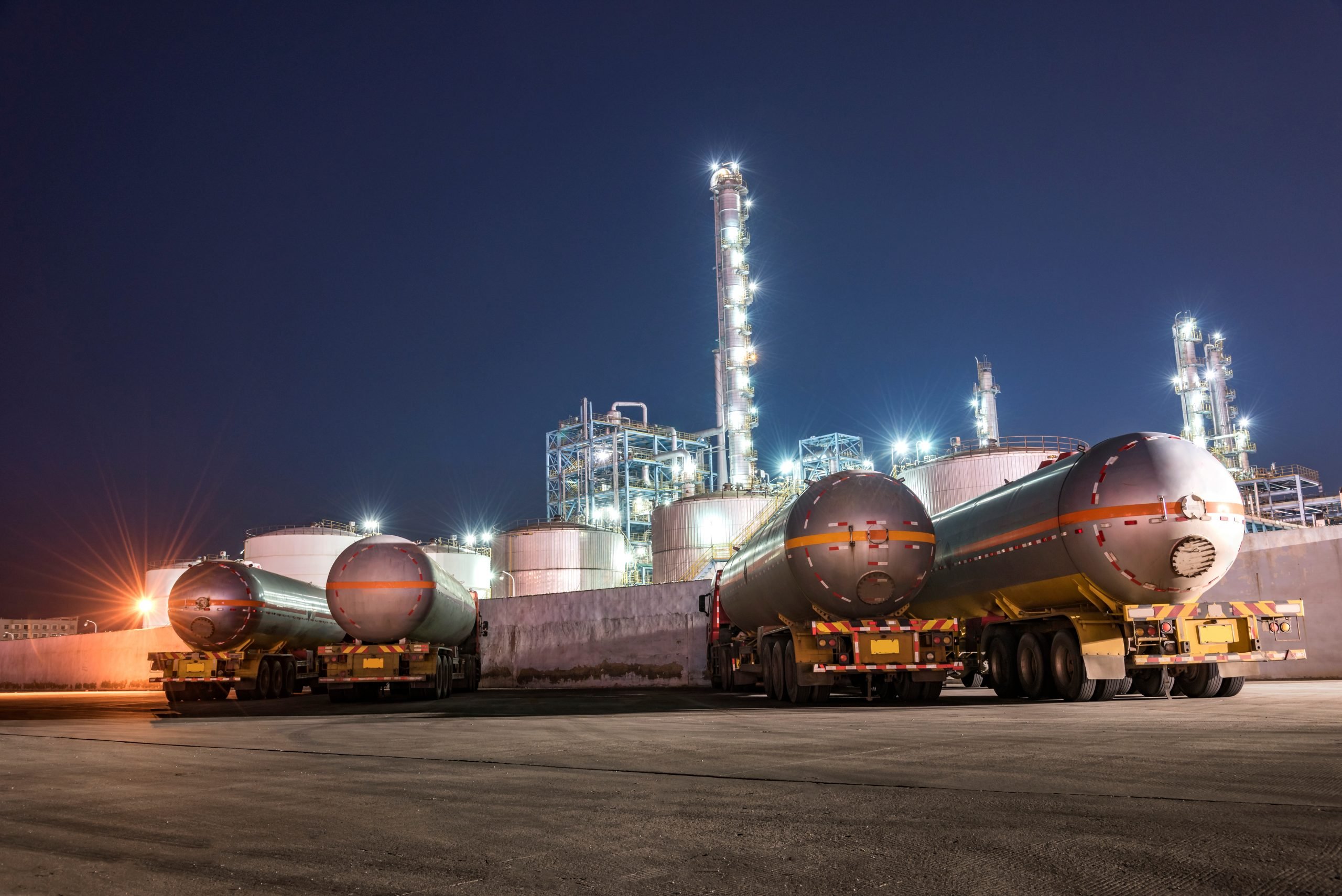
The African Development Bank reports that while Libya’s economy recovered in 2025, it remains tethered to hydrocarbons, which account for 97% of exports and 90% of state revenue. This reliance creates a fiscal trap. Because non-oil tax receipts hover near 1% of GDP and public spending is dominated by energy subsidies and an expansive wage bill, the government lacks the institutional capacity to fund structural transformation. Even with the approval of a unified national budget in April 2026, fragmented expenditure between eastern and western authorities continues to undermine fiscal discipline.
Financial Bottlenecks and Institutional Barriers
The banking sector mirrors these broader systemic weaknesses. Although capital adequacy ratios reached 31.7% in 2025, banks remain reluctant to lend, with a loan-to-deposit ratio of just 17.5%. Most financial institutions prioritize state interests, leaving small businesses to rely on personal savings and family networks. This informality, which captures nearly half the workforce, prevents the state from broadening its tax base and restricts private-sector job creation. With youth unemployment exceeding 50%, the capital-intensive nature of the oil industry does little to absorb the labor force.
To move beyond this cycle, Libya must navigate a complex landscape of frozen sovereign wealth and restrictive investment regulations. While the Libya Investment Authority holds assets worth over $68 billion, international sanctions and governance hurdles limit their use for domestic development. True progress will not be measured by growth percentages, but by the ability to implement reliable public-private partnerships and channel stagnant bank capital into renewable energy, manufacturing, and logistics. Without fundamental reform to these institutions, resource wealth will continue to bypass the development needs of the nation.


Comments (0)
No comments yet. Be the first!