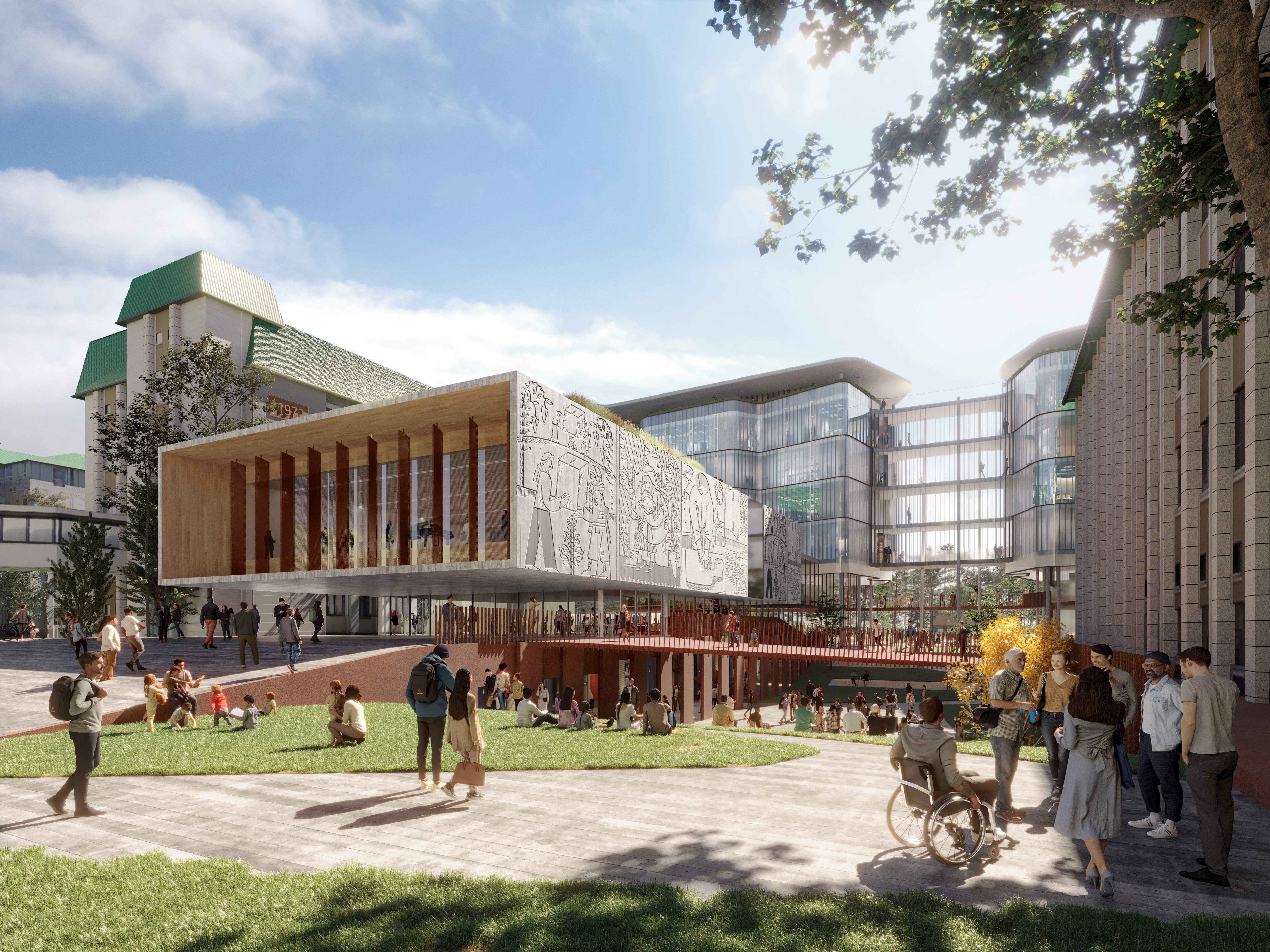
Peter van Rooij, the ILO Regional Director for Europe and Central Asia, recently held high-level consultations with government officials, employers, and labour representatives to bridge the gap between immediate economic pressure and long-term stability. The proposed programme moves beyond simple job creation, focusing instead on the systemic conditions—such as vocational training and robust social dialogue—necessary for a functioning labour market. By bringing together these three pillars, the ILO intends to create an environment where businesses can find talent and workers can secure decent, sustainable employment despite the ongoing conflict.
Local Implementation and Systemic Barriers
The strategy is being tested at the community level, notably in Irpin, where the ILO is supporting practical interventions like expanded childcare services. These initiatives highlight a critical reality: economic participation is often blocked by domestic hurdles rather than just a lack of open positions. While these local efforts provide a template for recovery, the challenge remains scaling these solutions across a nation with vastly different regional requirements. As the ILO prepares to finalize its agenda, the effectiveness of the programme will hinge on whether these consultations translate into tangible institutional reforms or remain confined to policy dialogue.

Comments (0)
No comments yet. Be the first!