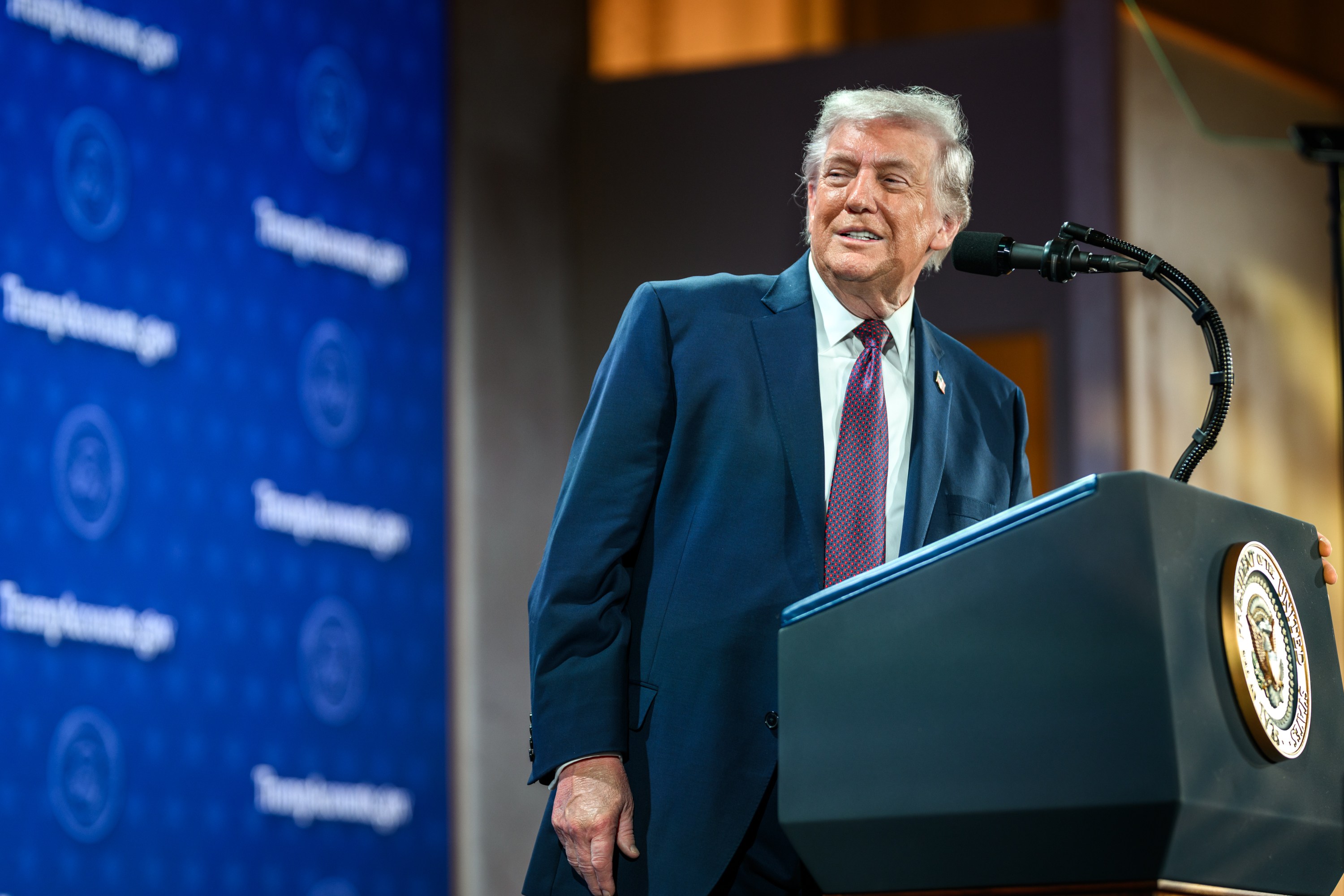
While Trump maintains that the Iranian government is effectively incapacitated, Tehran continues to challenge the narrative. Fatemeh Mohajerani, an Iranian government spokesperson, dismissed claims regarding the recent resignation of their oil minister as a strategic miscalculation, framing the move as internal political flexibility rather than a symptom of economic collapse.
Diplomatic maneuvering remains fraught with skepticism. Vice President JD Vance emphasized that Washington will no longer accept verbal assurances regarding nuclear non-proliferation. He signaled that any path to peace requires a tangible reduction in Iran's 60% enrichment capacity, labeling it a threshold issue for negotiations. Despite these demands, the administration remains uncertain regarding the true locus of decision-making power within the Iranian leadership, a point of friction that Tehran’s Foreign Ministry spokesman, Esmaeil Baghaei, labeled as a deliberate distortion of reality.
Energy security remains the core of the standoff, particularly regarding the Strait of Hormuz. While US military assessments suggest Iran lacks the capability to permanently block the waterway, the threat to commercial shipping continues to weigh on global markets. With midterm elections approaching, the administration faces mounting pressure to secure a definitive outcome, even as recent Iranian peace proposals have been rejected by the White House.


Comments (0)
No comments yet. Be the first!