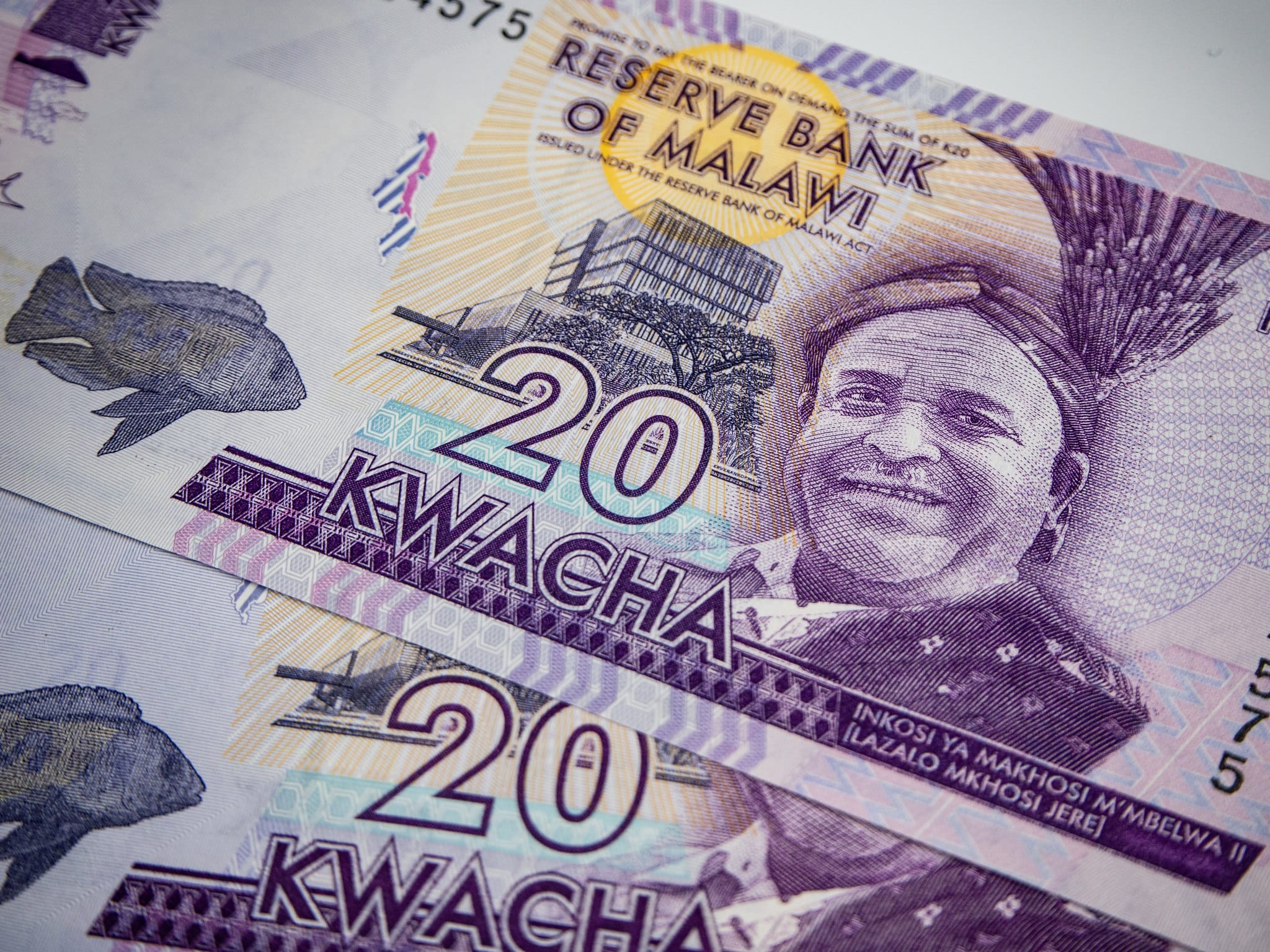
The IMF team, led by mission chief Justin Tyson, concluded a two-week assessment on October 6, 2026, signaling tentative approval of recent efforts under the National Economic Recovery Plan. Government officials have tightened budget execution and implemented pricing reforms for fuel and sugar, moves the Fund views as essential to correcting market distortions. Despite a recent cooling in food inflation, the broader economic landscape remains precarious, with non-food costs continuing to strain household budgets.
External headwinds threaten to derail these modest gains. The nation faces a significant drop in demand for tobacco, its primary export, while regional climate instability linked to El Niño poses a direct risk to agricultural productivity. Furthermore, trade shocks stemming from the conflict in the Middle East have complicated the import-export balance. To mitigate these risks, the proposed IMF arrangement emphasizes long-term fiscal consolidation while explicitly protecting social spending for the country's most vulnerable populations.
Finance Minister Joseph Mwanamvekha and Reserve Bank Governor George Partridge have been central to the ongoing dialogue, which seeks to align domestic policy with international financial standards. While the framework for the Extended Credit Facility is taking shape, final agreement on the specific policy package remains pending. The success of this collaboration hinges on the government's ability to maintain the current trajectory of expenditure control while navigating an increasingly unpredictable global climate.
/newsdrum-in/media/media_files/oAauYbLHbz3orhTrK8NP.jpg)
Comments (0)
No comments yet. Be the first!