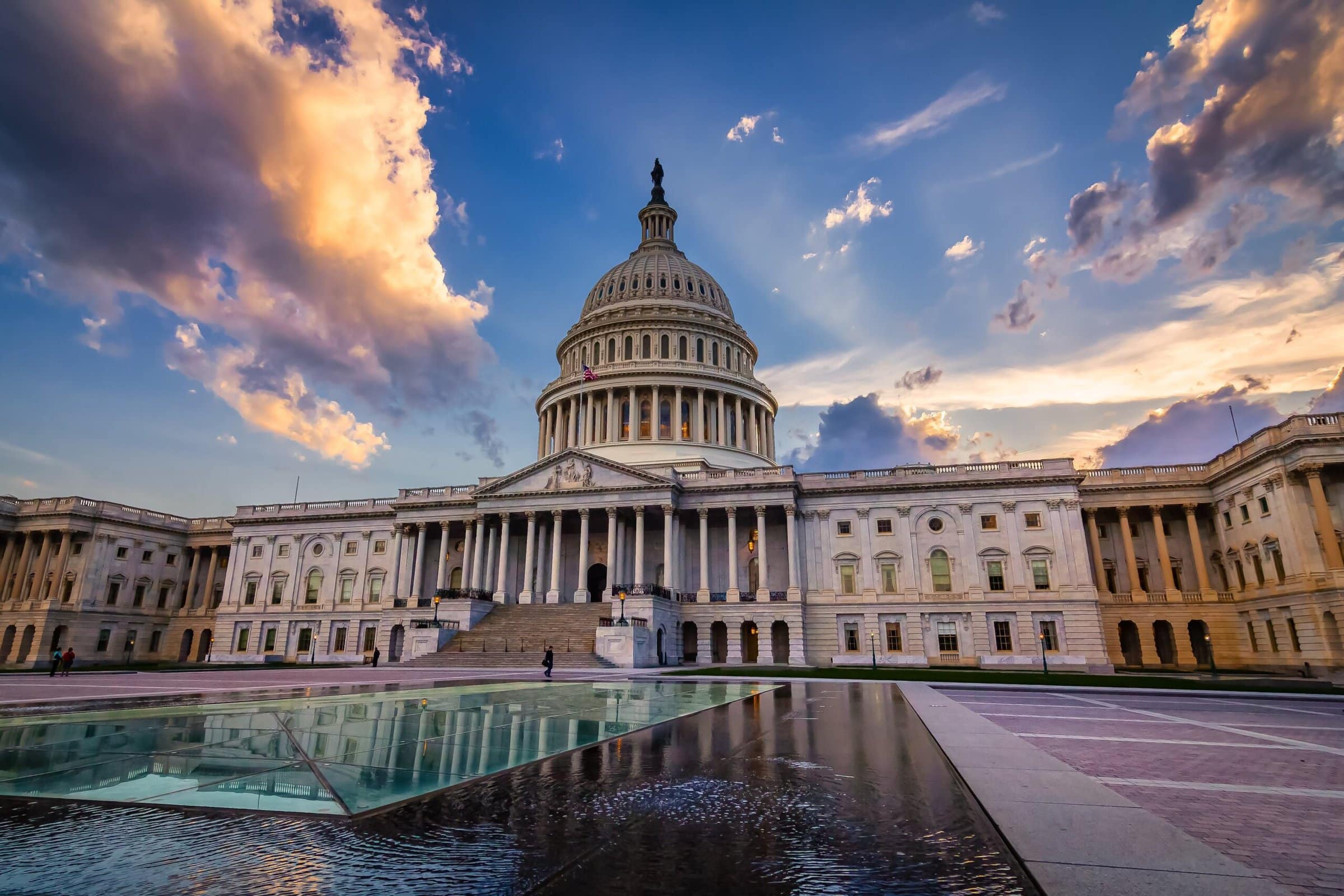
Control of the House requires a net gain of just three seats for Democrats, a narrow margin that could effectively paralyze the president’s legislative agenda. Currently, the chamber sits at 218 Republicans and 214 Democrats, leaving little room for error as both parties scramble to secure a majority. The Senate landscape is equally volatile, with 35 seats up for grabs. Republicans hold a 53-47 edge, meaning Democrats must flip four seats to reach the 51-vote threshold needed to flip the chamber.
Beyond federal power, the cycle is defined by historic spending and voter fatigue. AdImpact projections suggest total advertising expenditure will hit nearly $12 billion, shattering previous records set in 2022. This financial surge accompanies a wave of electoral deja vu: 44 House races are direct rematches from 2024, part of a broader trend of 474 repeat contests across state and local levels. Meanwhile, polling data offers a sobering backdrop for the White House. Recent surveys, including those from NBC News and Reuters/Ipsos, place Trump’s approval rating between 32 and 41 percent, with a majority of voters citing his economic policies as a primary grievance.


Comments (0)
No comments yet. Be the first!