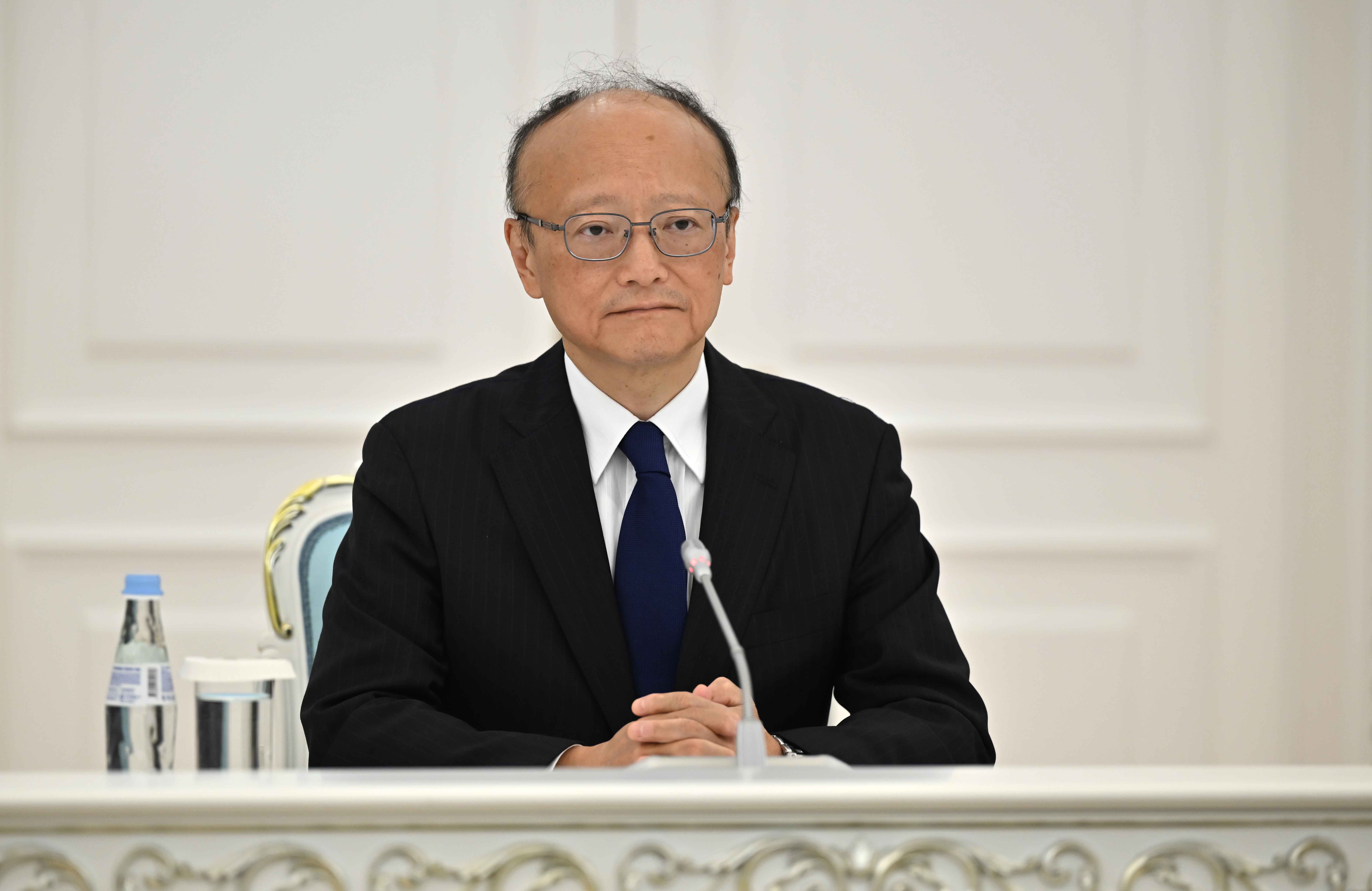
Kanda argued that technological advancement is hitting a bottleneck. While solar and wind generation costs have plummeted by up to 90% in the last decade, regional shortages in transmission networks and critical minerals prevent these gains from reaching those who need them most. The bank’s Pan-Asia Power Grid Initiative intends to bypass these constraints by financing cross-border electricity systems through 2035, effectively moving power from resource-rich regions to high-demand industrial hubs.
The strategy extends beyond hardware. With a $20 billion commitment to an Asia-Pacific Digital Highway, the bank aims to pair infrastructure with human capital, focusing on digital literacy for remote communities and people with disabilities. However, Kanda cautioned that the rapid adoption of artificial intelligence requires rigorous human oversight. He insisted that the architects of these systems must prioritize societal well-being over raw computational growth.
Ultimately, the ADB president called for a shift in how society funds discovery. He warned that the current focus on immediate commercial returns stifles curiosity-driven research, which often lacks a clear financial roadmap at its inception. By advocating for patient capital and transparent engagement, Kanda is pushing for a model where scientific integrity and public trust form the foundation of future economic development.



Comments (0)
No comments yet. Be the first!