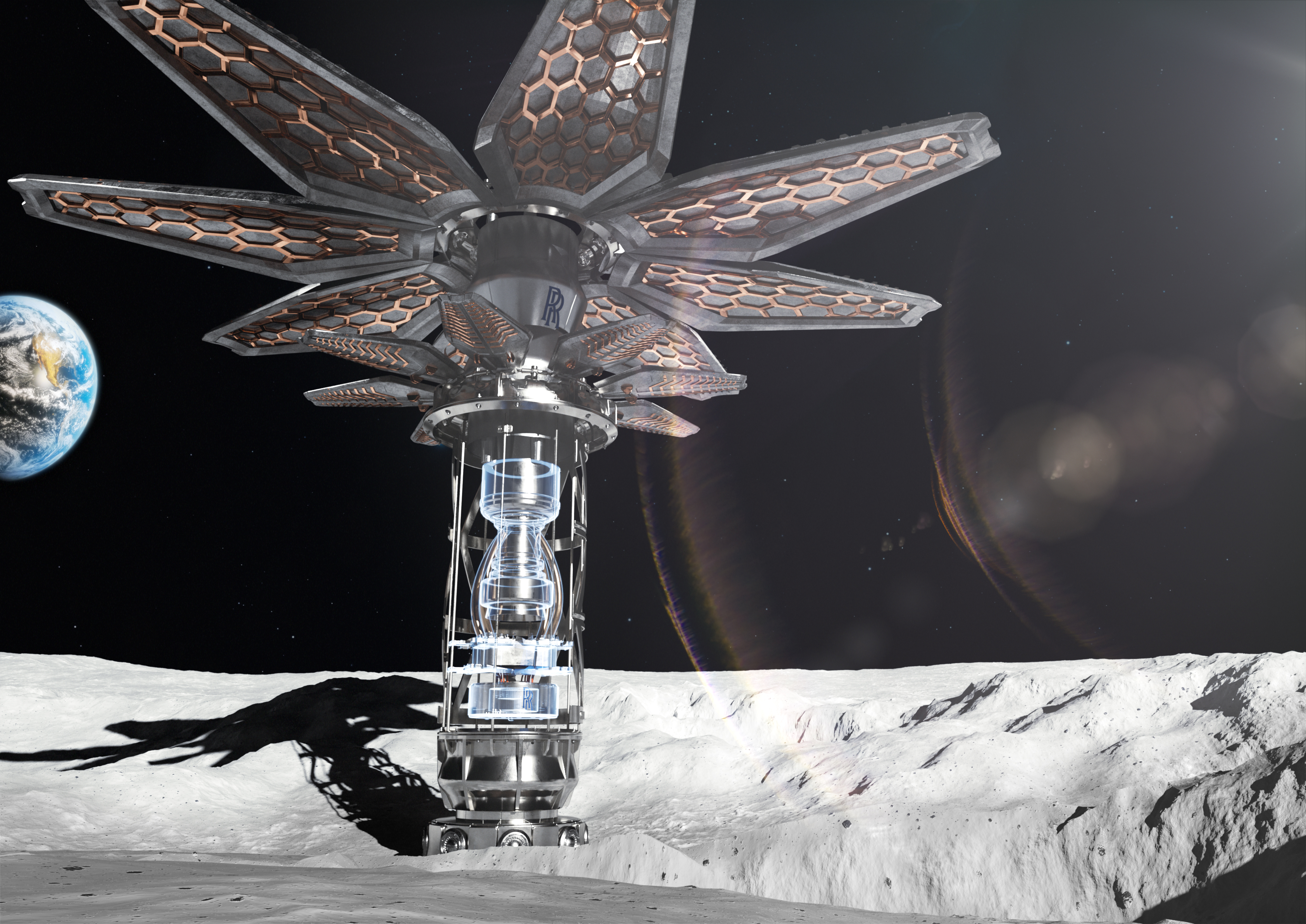
NASA has requested contractors to develop a reactor capable of surviving a lunar transit and operating near the Moon's south pole by December 2030. This unit, designated Lunar Reactor 1, aims to provide 20 kilowatts of power for five years without human intervention. Simultaneously, Russia and China are collaborating on the Selena project, a reactor slated for 2036 designed to run autonomously for a decade while generating 10 kilowatts of electricity.
These ambitions bring significant technical and diplomatic friction. Scientists warn that launching nuclear material carries the risk of accidents that could disperse radiation. Furthermore, the deployment of these reactors creates a potential for exclusionary zones, where countries might restrict access to surrounding lunar territory for safety. Such measures threaten to clash with the 1967 Outer Space Treaty, which prohibits national claims to lunar territory and mandates free access. As these powers move toward 2030, the question remains whether these reactors will serve as tools for scientific discovery or as catalysts for a new, contested geopolitical landscape on the lunar surface.


Comments (0)
No comments yet. Be the first!