The coordinated release follows videoconference talks led by French President Emmanuel Macron, who argued that the injection of supplies will add essential liquidity to global markets. The initiative includes Canada, France, Germany, Italy, Japan, the UK, and the US, building upon a previous March agreement where IEA members committed to releasing 426 million barrels. While the announcement prompted a 2 percent dip in US oil prices, analysts remain divided on the long-term impact. Experts warn that depleting emergency stockpiles during ongoing conflicts—which have disrupted refinery operations and export routes in the Persian Gulf and Russia—creates a precarious buffer for future energy security.
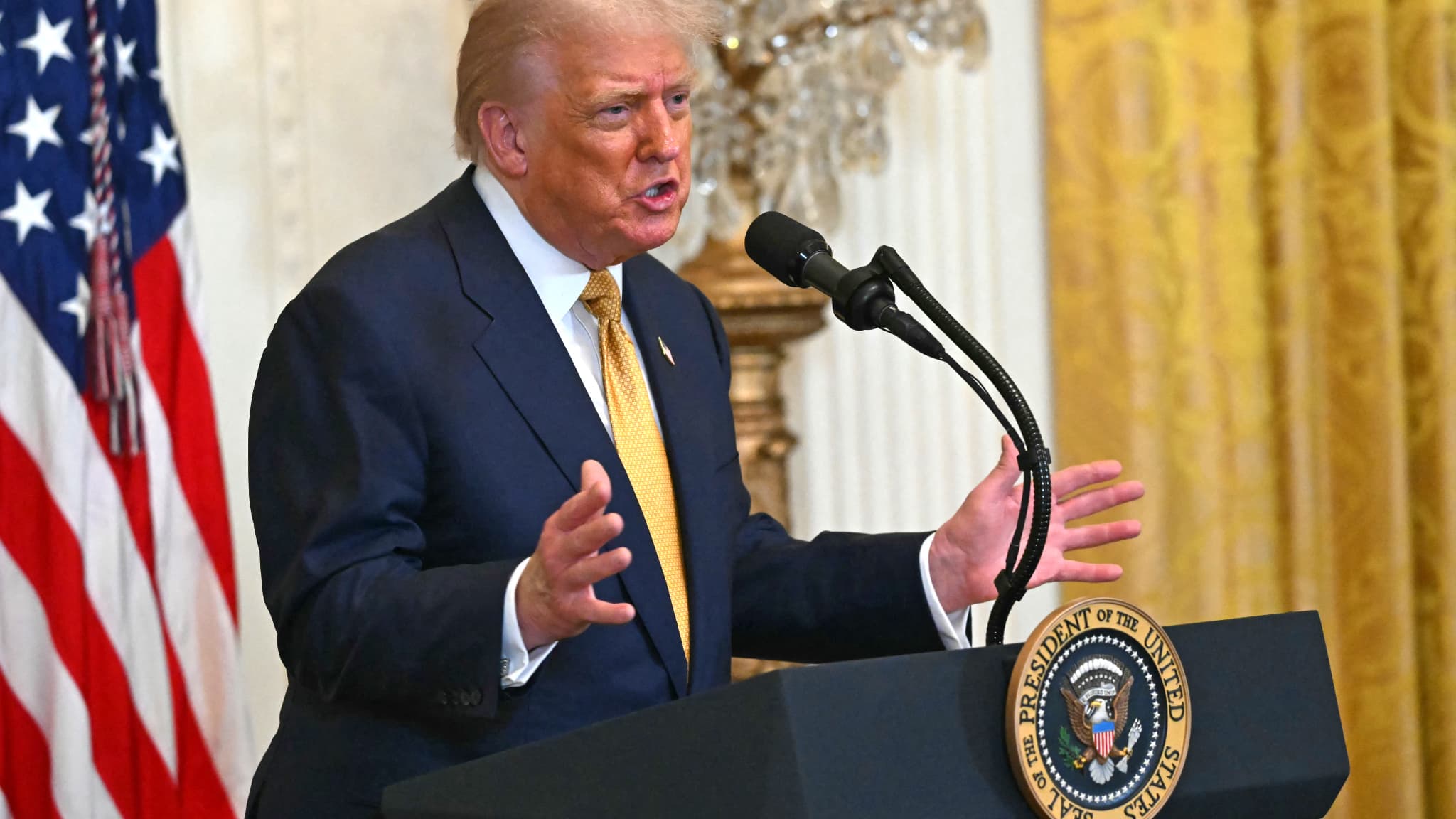
President Donald Trump confirmed that the US will participate in the release but explicitly ruled out an export ban, a measure some domestic lawmakers had proposed to insulate local supply. Energy analysts note that an export ban would likely backfire by forcing a reduction in overall refinery production. Meanwhile, the administration faces mounting pressure as approval ratings on the economy struggle. Critics like Jim Krane of the Baker Institute caution that while the move may provide temporary relief at the pump, it leaves the G7 vulnerable. Once the immediate crisis passes, these nations will eventually face the difficult task of replenishing their reserves, likely at a time when market prices remain unpredictable.



Comments (0)
No comments yet. Be the first!