Verena Hagg, representing Austria’s Finance Ministry, emphasized that project developers must adopt robust environmental, social, and governance (ESG) practices to unlock institutional capital. These standards act as a bridge to lower interest rates and extended repayment timelines, providing the security lenders demand. During a mid-September 2026 workshop in Vienna, experts from the World Bank, IFC, and MIGA underscored that technical viability is no longer the sole metric for success.
The Cost of Ignoring Local Impact
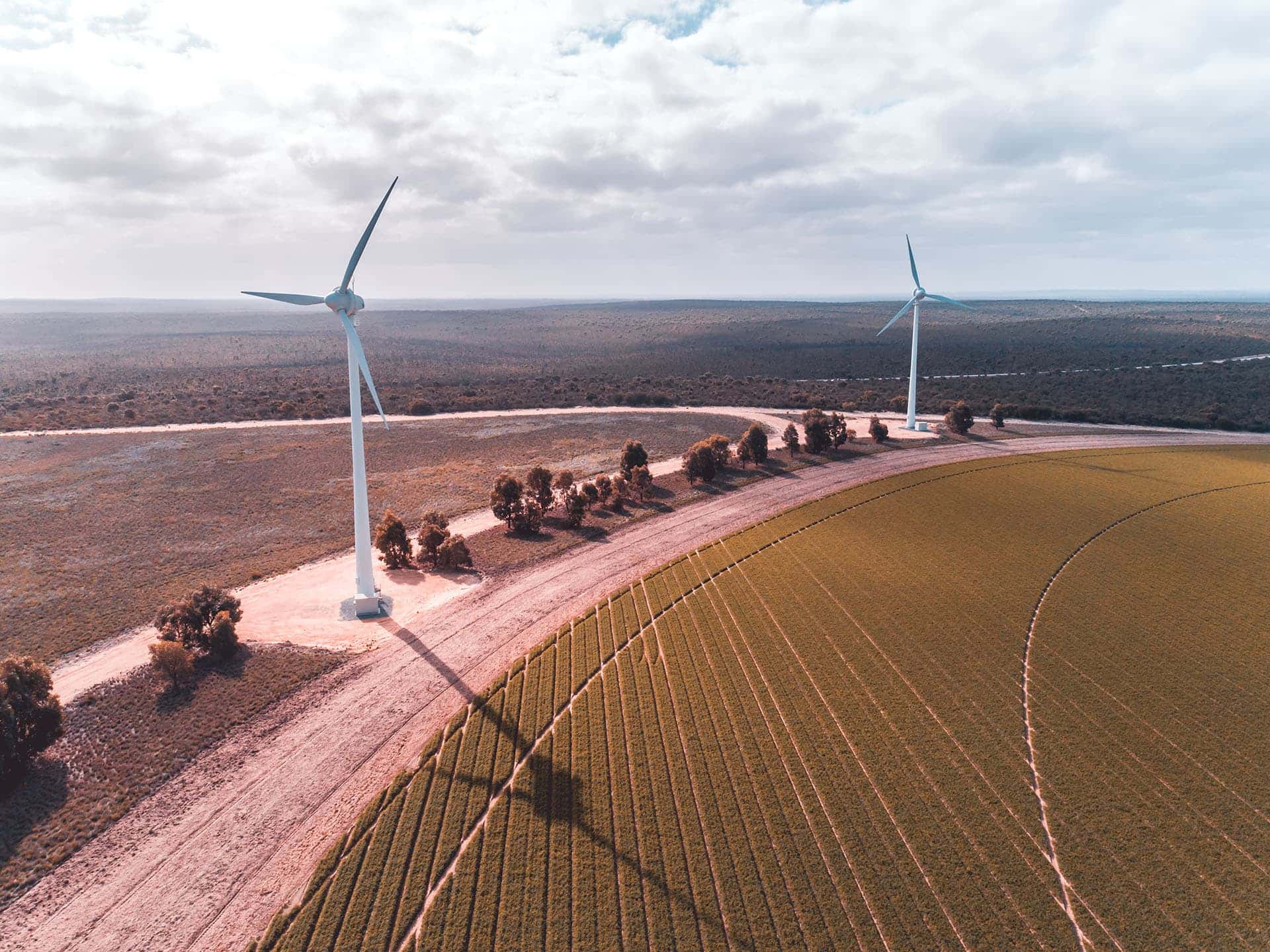
Ignoring community and environmental concerns has become a primary driver of project failure. Data presented at the workshop revealed that over 40% of infrastructure developments face significant delays due to local opposition. From dams stalled by the displacement of thousands of residents to wind farms halted by protests over nomadic land use, the pattern is consistent: late-stage discovery of these issues leads to cancelled financing and lasting reputational damage. Helene Carlsson Rex of the World Bank noted that early, transparent community engagement is not merely a social obligation but a financial imperative to keep projects on schedule.To standardize these requirements, the industry is converging on a unified approach. The World Bank Group is currently aligning its private sector Performance Standards with its public framework, mirroring efforts by the EU and the UN to create a cohesive regulatory environment. These shared standards now cover everything from biodiversity and land acquisition to labor conditions. As investors look for clear accountability, the consensus among workshop participants was that environmental and social management must be integrated at the project’s inception—not as an afterthought.




Comments (0)
No comments yet. Be the first!