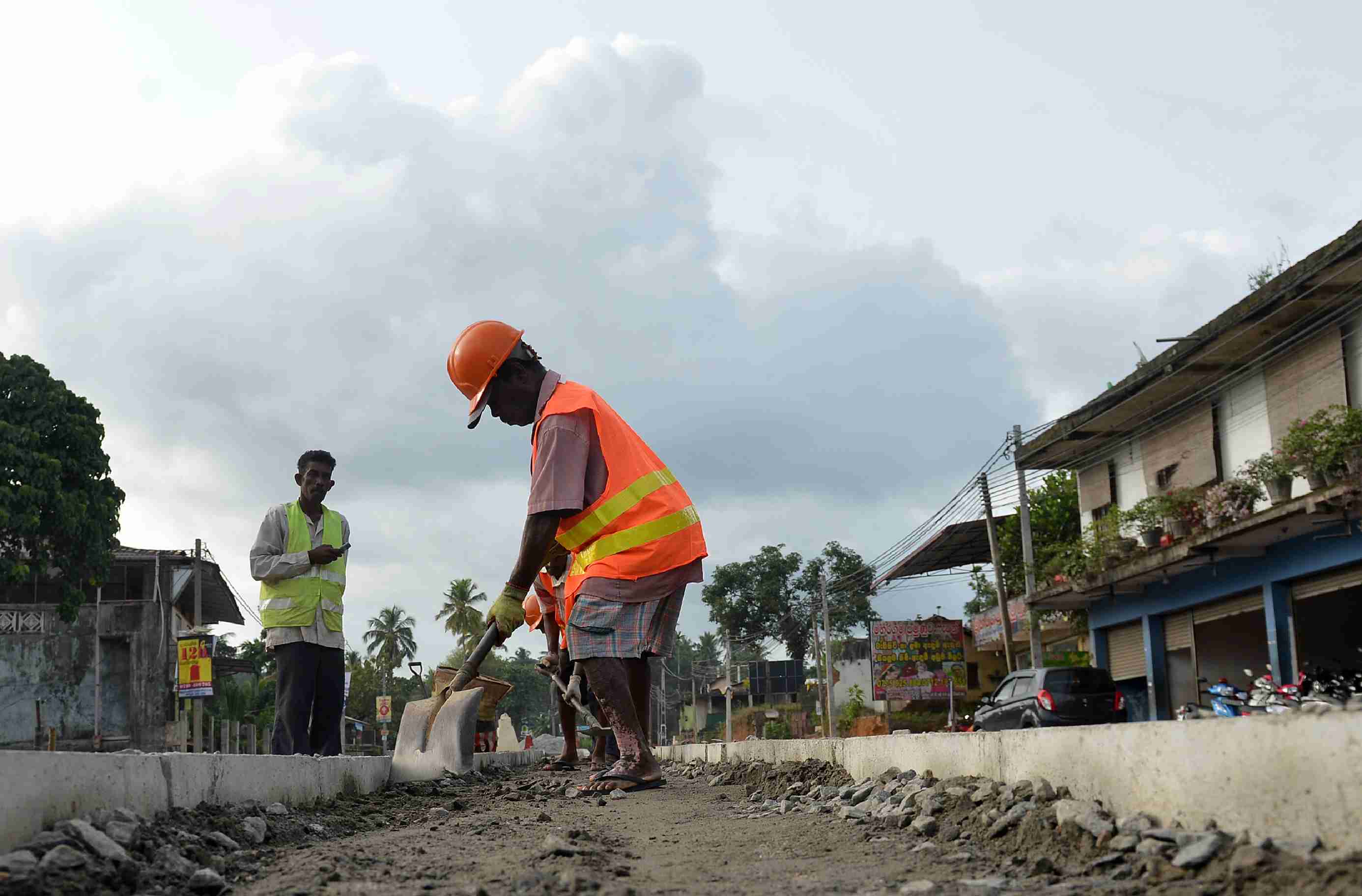
The funding, sourced from the International Development Association's Crisis Response Window, extends the existing Inclusive Connectivity and Development Project by three years. This brings the total World Bank commitment to $610 million. Beyond immediate repairs, the initiative focuses on restoring the livelihoods of 22,000 tea, vegetable, and paddy farmers who lost crucial supply chain links during the disaster. The project is projected to generate over 5,600 jobs during the reconstruction phase.
Building for Climate Resilience
Engineers will prioritize climate-resilient standards, including reinforced drainage and landslide protection, to safeguard infrastructure against the increasingly severe weather patterns affecting the region. This strategy acknowledges the broader scale of destruction from November 2025, where Cyclone Ditwah caused an estimated $4.1 billion in total damages. With the transport sector alone requiring $1.31 billion for full recovery, this investment serves as a critical step in a long-term strategy to stabilize Sri Lanka’s rural economy. World Bank Country Manager Gevorg Sargsyan noted that the effort goes beyond simple asphalt repair, aiming to integrate infrastructure with the long-term needs of families and local businesses.




Comments (0)
No comments yet. Be the first!