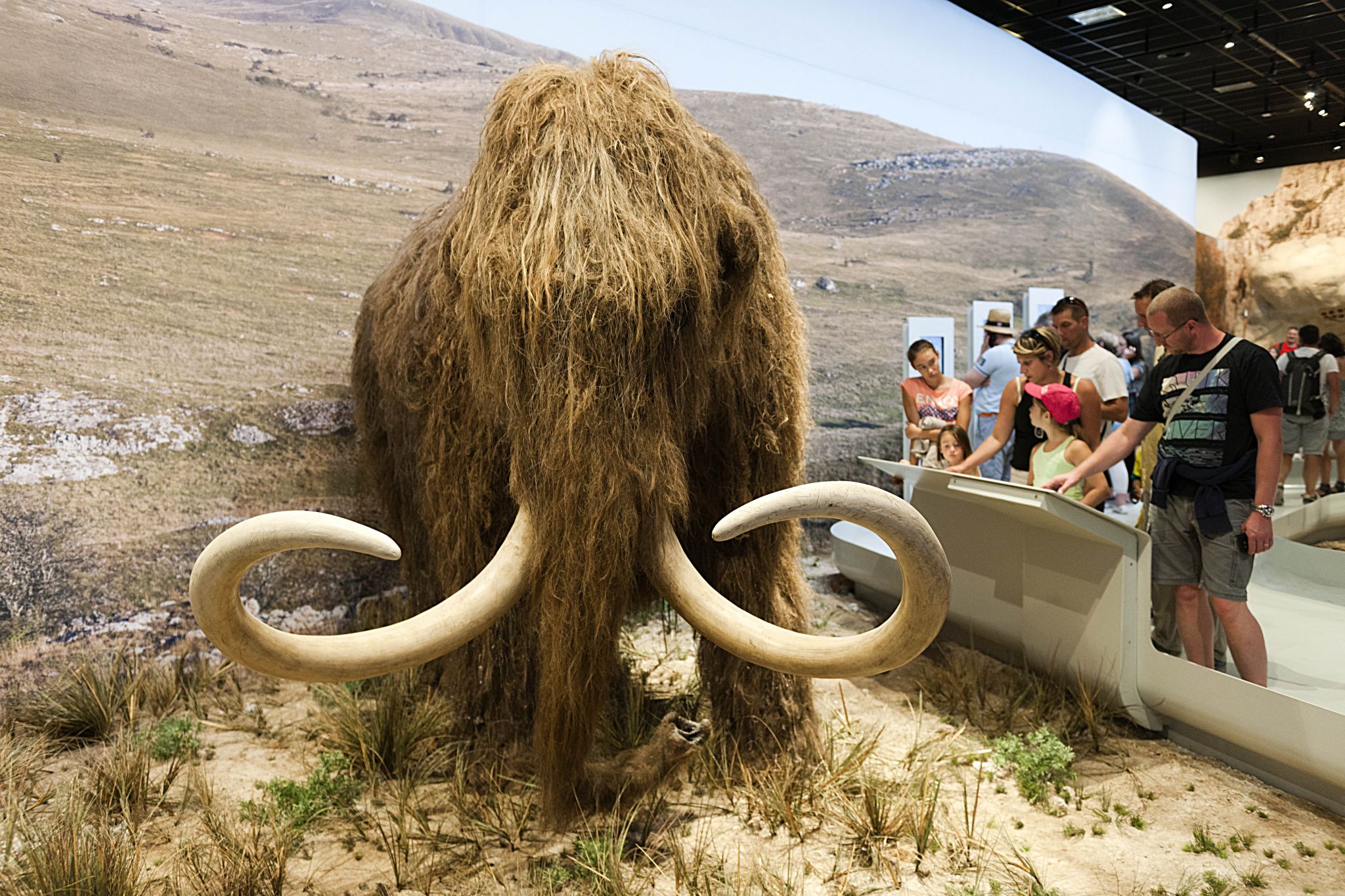
The project, originally slated for a 2028 milestone, now targets the early 2030s as the team confronts a drastic increase in technical requirements. While early blueprints suggested 60 genetic modifications would suffice, genomic mapping revealed that replicating features like shaggy fur, smaller ears, and cold-adapted fat stores necessitates over 150 specific gene edits. The Asian elephant, which shares 99.6 percent of its DNA with the extinct mammoth, serves as the primary genetic template.
To bridge this gap, the team is deploying AI to simulate millions of genetic combinations, predicting how alterations interact to prevent lethal birth defects. Ben Lamm, Chief Executive of Colossal Biosciences, confirmed that these computational tools are now indispensable to the process. Rather than pursuing an exact clone, the laboratory aims to produce a cold-tolerant hybrid capable of restoring tundra ecosystems. The researchers maintain that the breakthroughs developed during this effort, specifically in CRISPR gene-editing and predictive modeling, will provide immediate benefits for endangered elephant conservation and human medicine.




Comments (0)
No comments yet. Be the first!