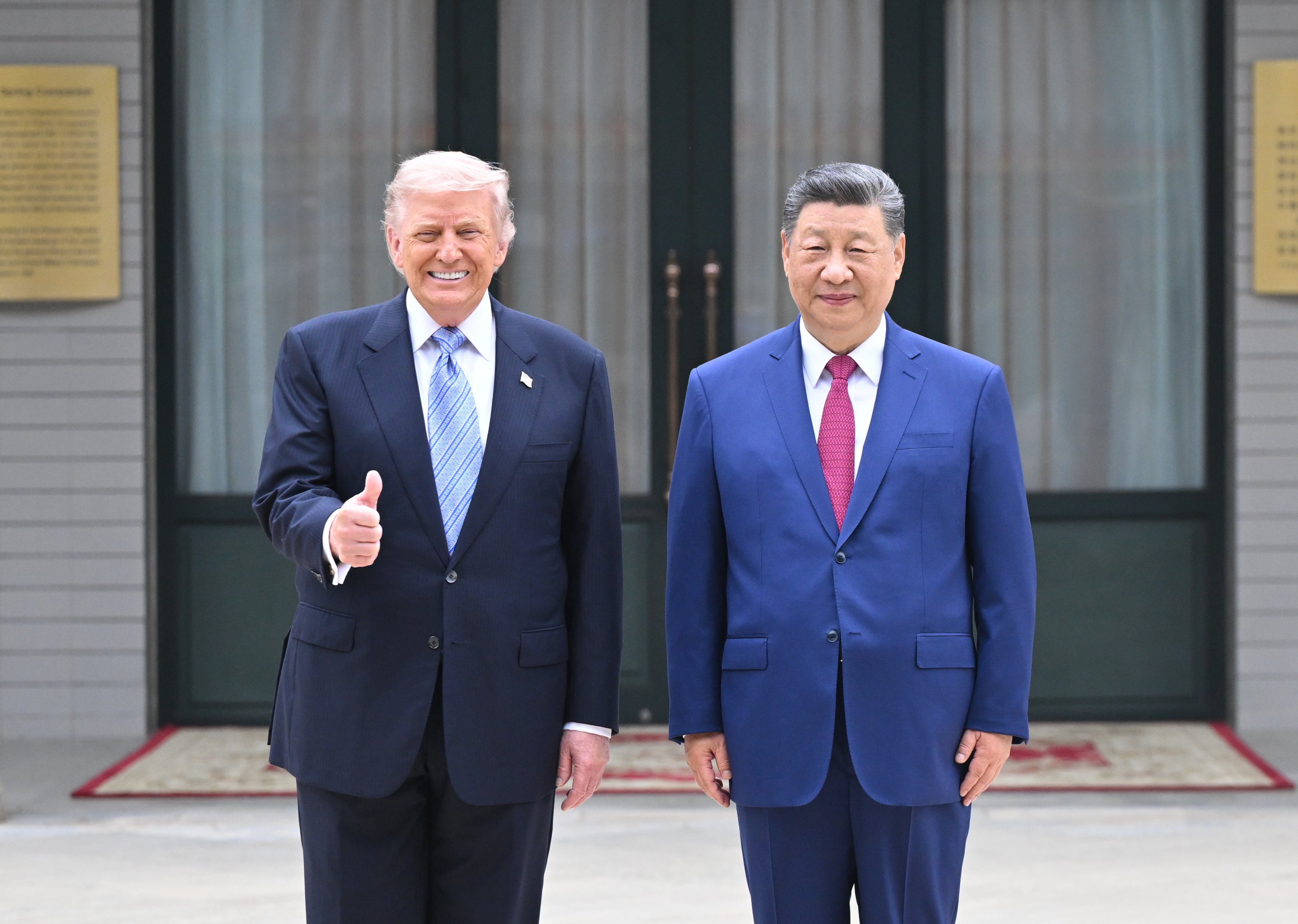
The pause in hostilities provides a window for both nations to monitor existing arrangements and refine a new trade council tasked with overseeing bilateral economic disputes. A primary objective for this council involves negotiating reciprocal tariff cuts on approximately $30 billion worth of goods. Beyond tariffs, the framework addresses market access for financial institutions and the expansion of direct flights between the two powers.
Agriculture remains a cornerstone of the current pact, with China signaling tariff reductions on corn, wheat, dairy, and meat products. This shift aligns with broader commitments for China to purchase $17 billion in US agricultural goods. To manage these commitments, the nations will convene an agriculture working group before the end of the year. Energy sector cooperation is also on the agenda, specifically a commitment for China to import 10 million metric tons of US coal annually through 2028.
Technological and regulatory friction points are receiving parallel attention. The countries have agreed to open a dedicated communication channel for artificial intelligence-related incidents, with follow-up dialogues scheduled for late November. These measures reflect a broader effort to move beyond simple trade quotas toward a more comprehensive, albeit fragile, framework for long-term economic engagement.




Comments (0)
No comments yet. Be the first!