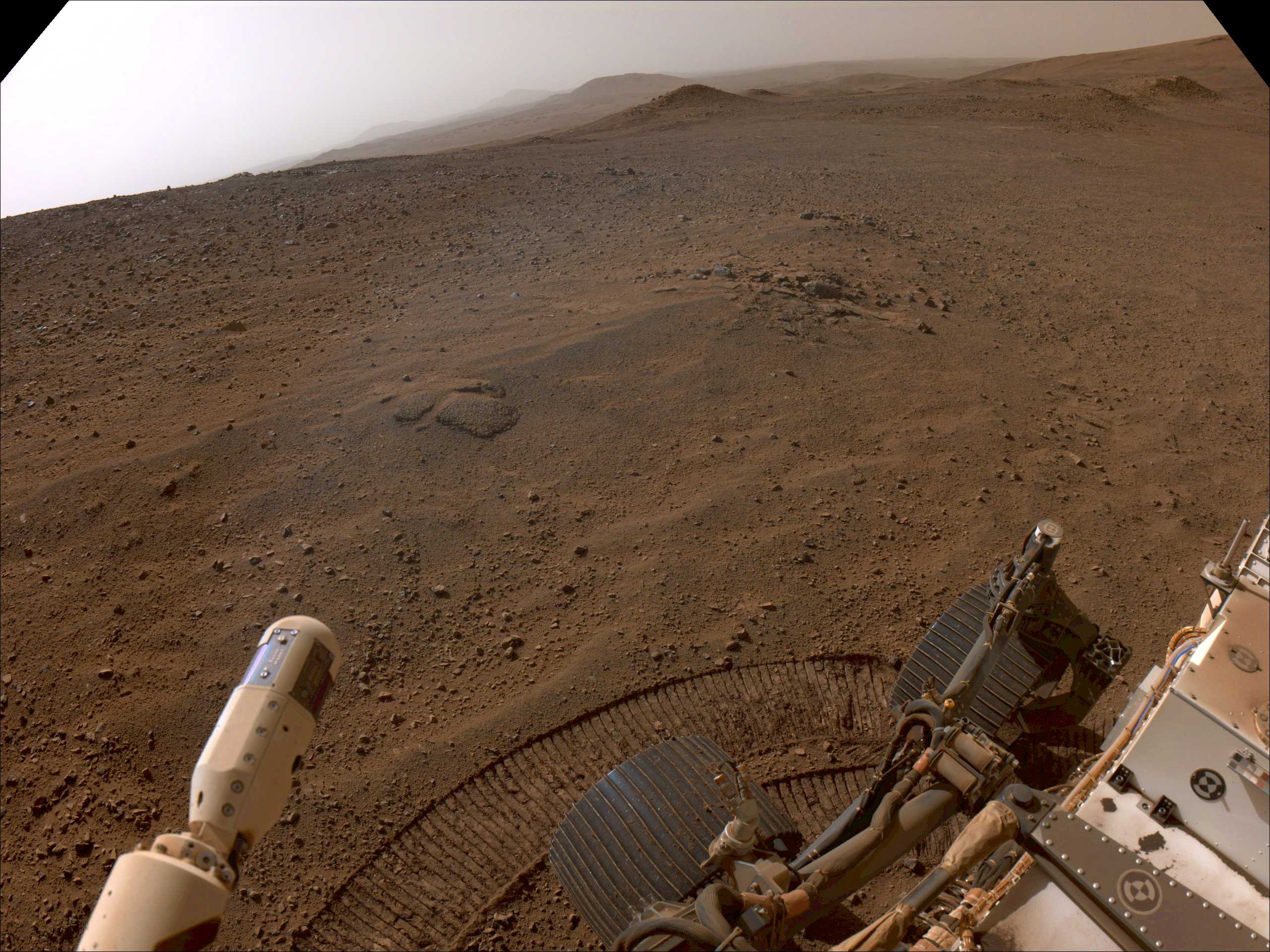
When the rover arrived at the area dubbed the Margin Unit in September 2023, researchers anticipated finding sedimentary rock. Such material was considered the prime candidate for preserving signs of microbial life near the ancient lake. However, data from the SuperCam instrument, which analyzes chemical signatures using laser-induced plasma, confirmed the presence of igneous rock formed from cooling magma.
Candice Bedford, lead author of the study published in Communications Earth & Environment, noted that this location served as a crossroads for multiple water systems rather than a singular lakebed environment. The rover examined over 185 bedrock targets, revealing a distinct transition in mineralogy. At higher elevations, the rover encountered coarse-grained olivine with minimal water exposure. Lower down, near the basin, the olivine grains appeared fractured and laced with silica.
This discovery carries significant weight for astrobiology. On Earth, the interaction between water and olivine releases hydrogen—a potential energy source for microbes—while depositing carbonate and silica. Because these minerals excel at trapping biological signatures, the discovery suggests the crater floor may hold more secrets than the initial sedimentary hypothesis suggested.



Comments (0)
No comments yet. Be the first!