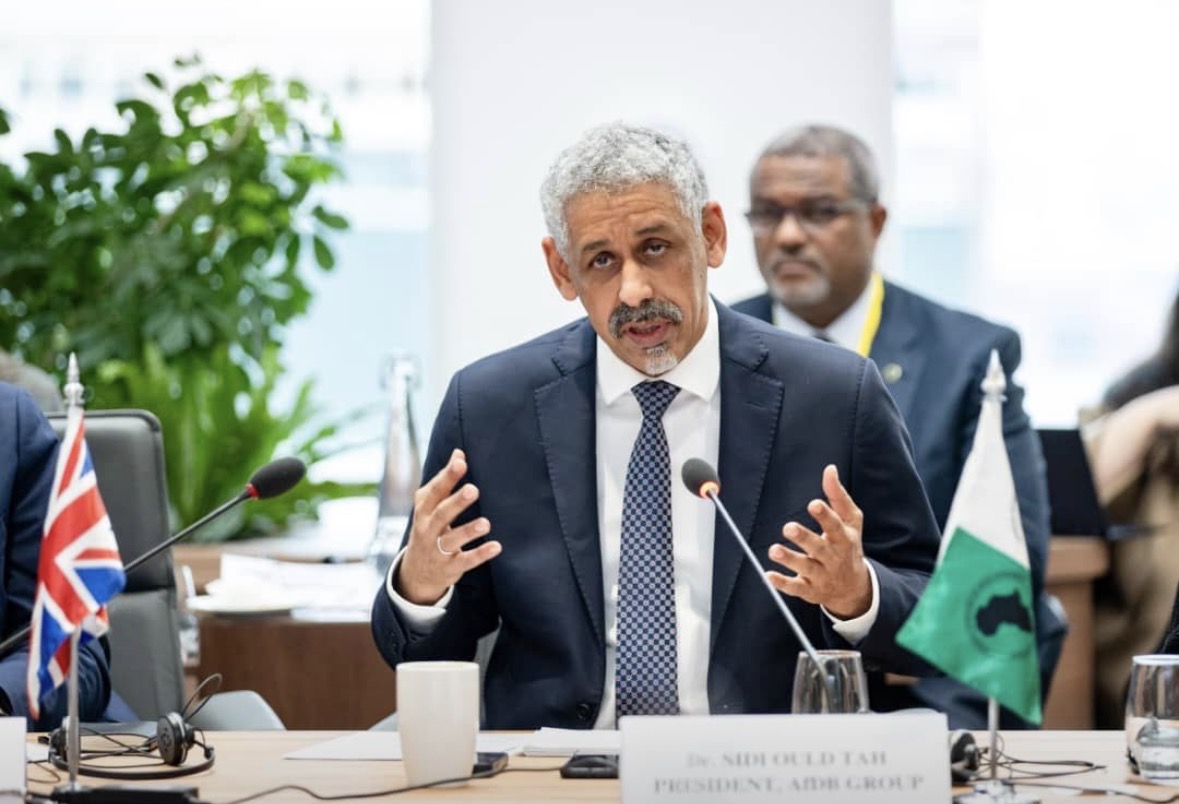
The dialogue centered on the specific institutional pillars behind Korea’s growth, including education, technological integration, and industrial production. Ould Tah emphasized that while the Korean model provides a historical roadmap, African nations must retain autonomy in shaping their own development trajectories. By prioritizing human capital and local production capacity, the Bank aims to translate these international insights into actionable policy for the continent’s emerging economies.
Practical cooperation is already taking shape through targeted initiatives in artificial intelligence, food security, and digital infrastructure. A notable example involves ongoing efforts to boost rice productivity in Côte d'Ivoire, where Korean expertise is being applied to solve immediate agricultural constraints. GKEDC Executive Director Dr. Dong Soo Kang confirmed the institute’s commitment to designing bespoke capacity-building programs, ensuring that the partnership moves beyond theoretical knowledge to address the specific economic hurdles facing AfDB member countries.

Comments (0)
No comments yet. Be the first!