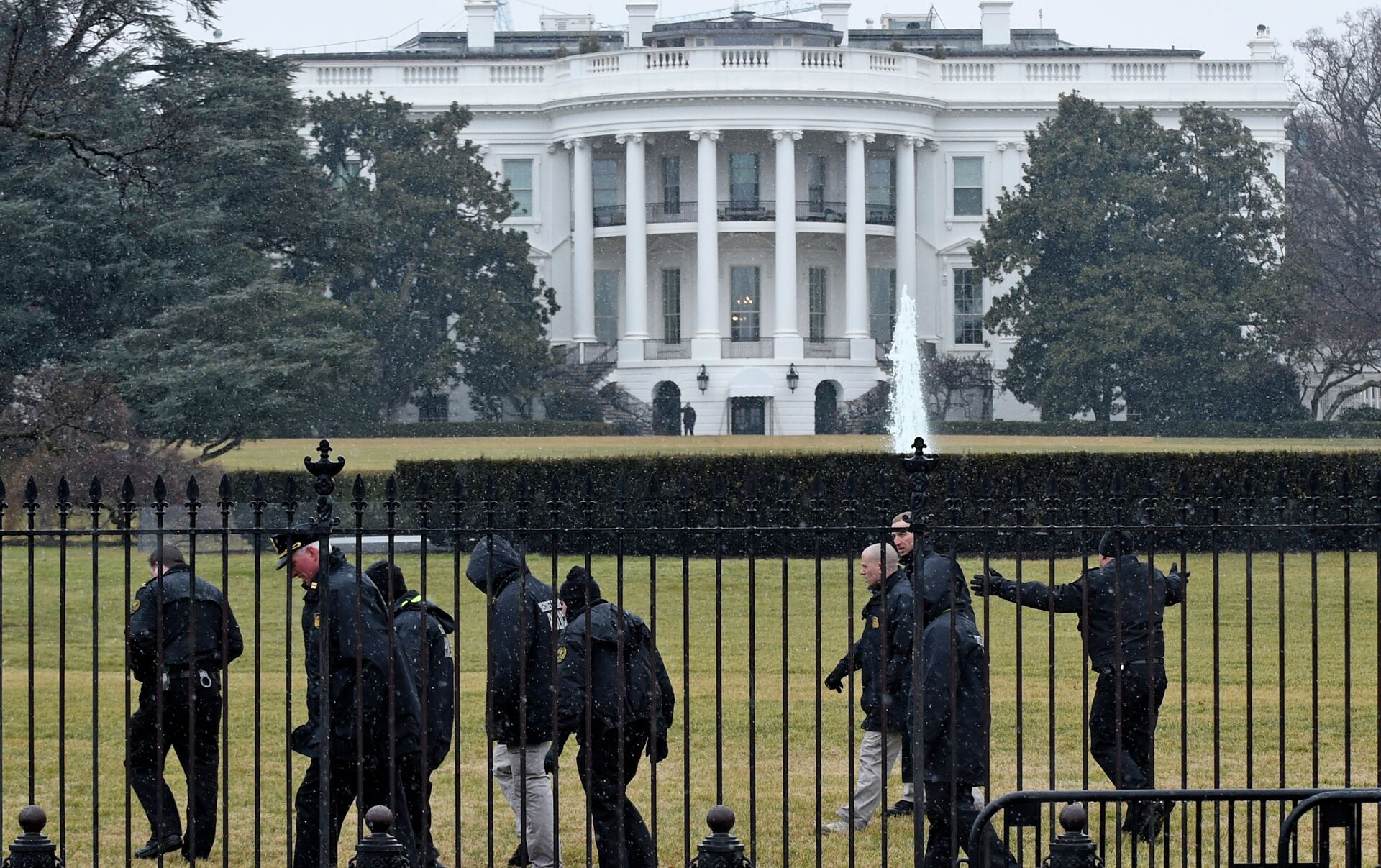
The Secret Service’s existing system, which relies on "drone as first responder" technology, utilizes small, unarmed UAVs housed in weatherproof boxes. These units provide aerial overwatch and real-time situational awareness, a model increasingly standard among U.S. law enforcement. While Trump has justified the ballroom construction as a national security necessity to defend against aerial attacks, drone experts suggest his vision of a militarized station is vastly more aggressive than the operational reality of federal security needs.
Legal hurdles and logistical concerns continue to cloud the project. Critics and former officials point to the complexities of managing a busy drone hub within the highly restricted, crowded airspace of Washington, D.C., near Reagan National Airport. Despite the Supreme Court allowing construction to proceed, the distinction between a tactical security asset and the militarization of a historic landmark remains a point of contention. As the Secret Service continues to refine its own programs—accelerated by security lapses during the 2024 campaign—the necessity of Trump’s proposed, large-scale drone installation remains unproven and largely undisclosed.


Comments (0)
No comments yet. Be the first!