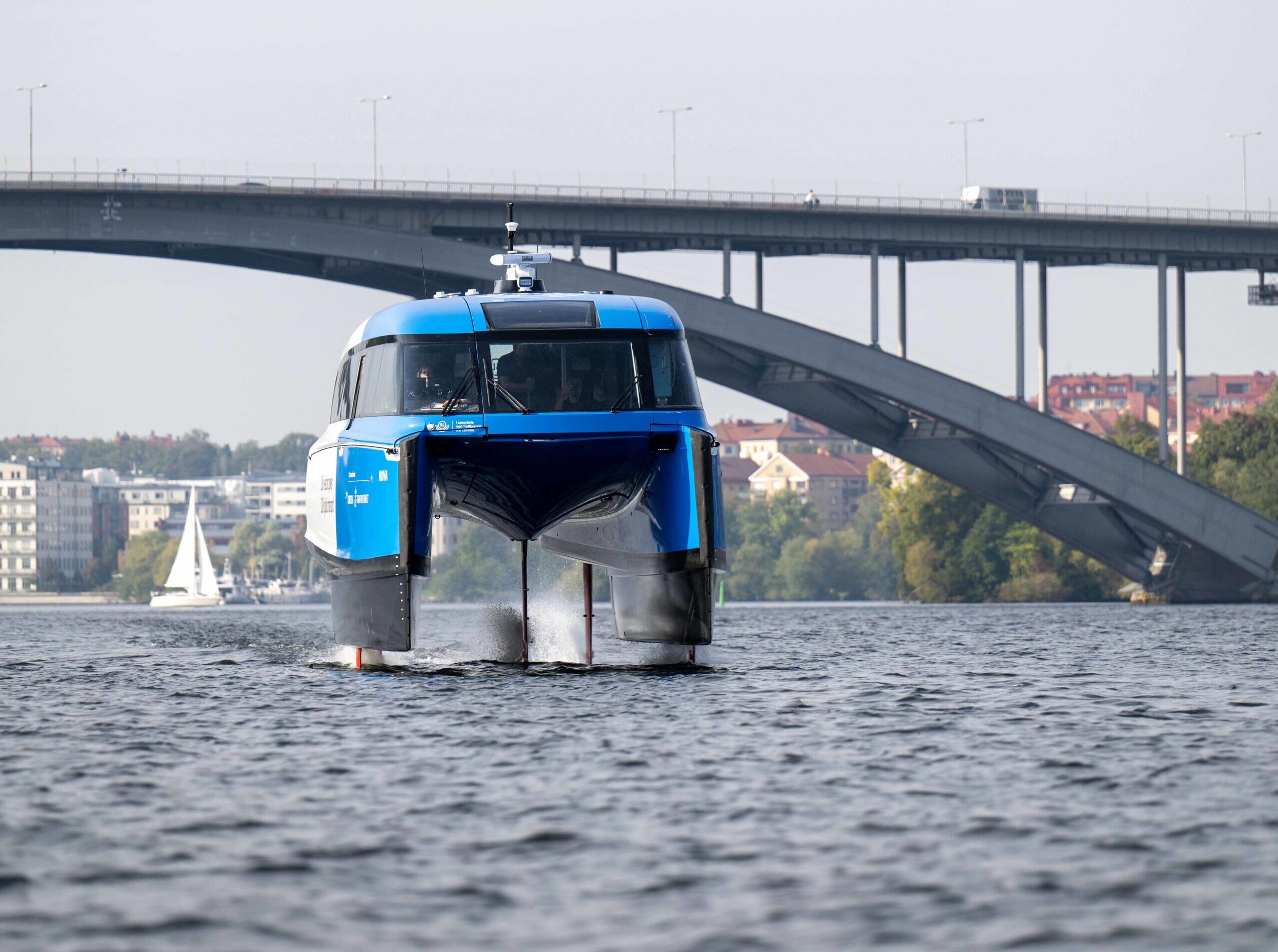
The project addresses a system currently carrying 21 million passengers annually on decades-old infrastructure. By introducing 45 new vessels, the state expects to prevent approximately 399,000 tons of CO₂ emissions over the project’s lifespan. Beyond the boats, the initiative involves renovating or constructing over 20 passenger terminals, with a primary hub in São Sebastião designed to alleviate regional road traffic and stimulate local waterfront commerce.
Funding for the initiative splits between a $238 million private concessionaire contribution and $222 million from the state government, which includes a $175 million loan from the World Bank. This structure replaces fragmented, short-term contracts with a unified long-term management model. Cécile Fruman, the World Bank’s Country Director for Brazil, noted that the investment transforms these crossings into safer, cleaner lifelines. The plan also mandates a shift in labor standards, targeting an increase in female participation in operational roles from 15 percent to 20 percent.



Comments (0)
No comments yet. Be the first!