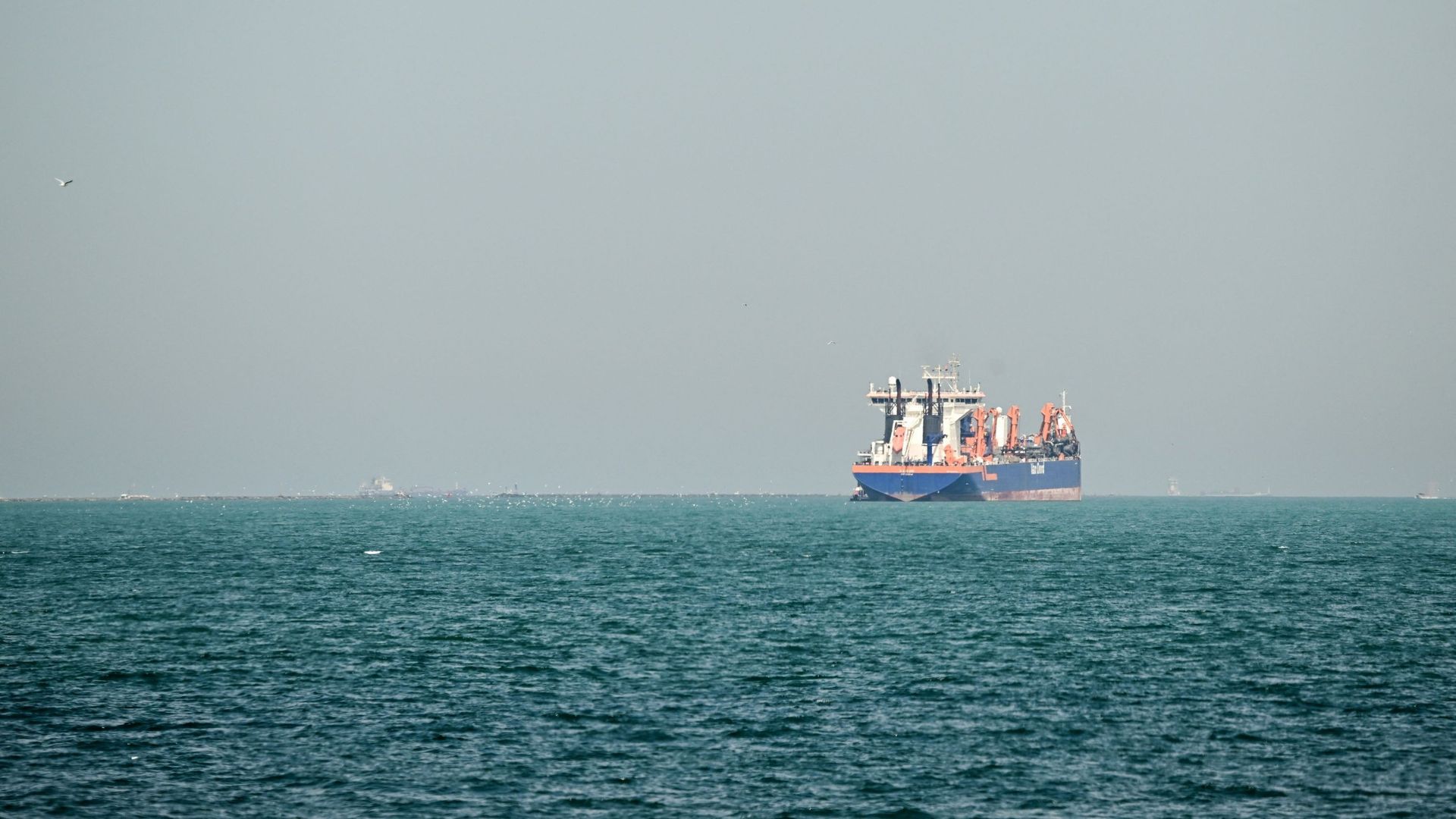
The proposed legislation, titled the “Strategic Action to Ensure Security and Development of the Strait of Hormuz,” targets enforcement through Articles 13, 14, and 15. Under Article 13, authorities gain the power to confiscate 20 percent of a vessel’s cargo or demand its financial equivalent, alongside the authority to impound ships until fines are settled. Commission spokesperson Hassan Ghashghavi confirmed that the judiciary would establish specialized court branches staffed by experts in maritime law to handle these enforcement actions.
Article 14 extends domestic accountability to individuals or entities whose negligence hinders the law's implementation, subjecting them to Grade 5 punishments under the Islamic Penal Code. Oversight of the entire framework rests with the General Staff of the Armed Forces, which must submit quarterly reports to the parliamentary commission. The bill now requires a final review by the full Parliament and the Constitutional Council before it can be enacted into law.
This legislative push coincides with a volatile period for the waterway. During the 81st session of the UN General Assembly, President Donald Trump highlighted the role of the U.S. Navy in escorting oil shipments, noting that transit volumes remain high despite the ongoing confrontation. The friction was underscored by the Iranian delegation’s departure from the assembly hall as Trump discussed U.S. military operations, signaling that the proposed maritime restrictions are a direct response to the deepening geopolitical divide.



Comments (0)
No comments yet. Be the first!