The current discourse, heavily influenced by Silicon Valley lobbyists and Washington hawks, frequently conflates legitimate technical safety concerns with national security threats. Figures like Elon Musk often characterize the AI race as a struggle for dominance, pushing for containment and economic decoupling. This approach ignores a fundamental truth: the mathematics of machine learning carry no political ideology. Whether in healthcare or critical infrastructure, the potential for algorithmic failure or loss of control remains a universal threat that does not discriminate between political systems.
Treating AI as a battlefield actively weakens global security by creating dangerous blind spots. When research is treated as a secretive arms race, nations withhold crucial safety benchmarks and threat intelligence. Furthermore, divergent regulatory regimes fragment the digital ecosystem, making it significantly harder to enforce safety standards or address vulnerabilities. A divided world, operating on incompatible protocols, is fundamentally less capable of mitigating catastrophic failures than one bound by open, collaborative communication.
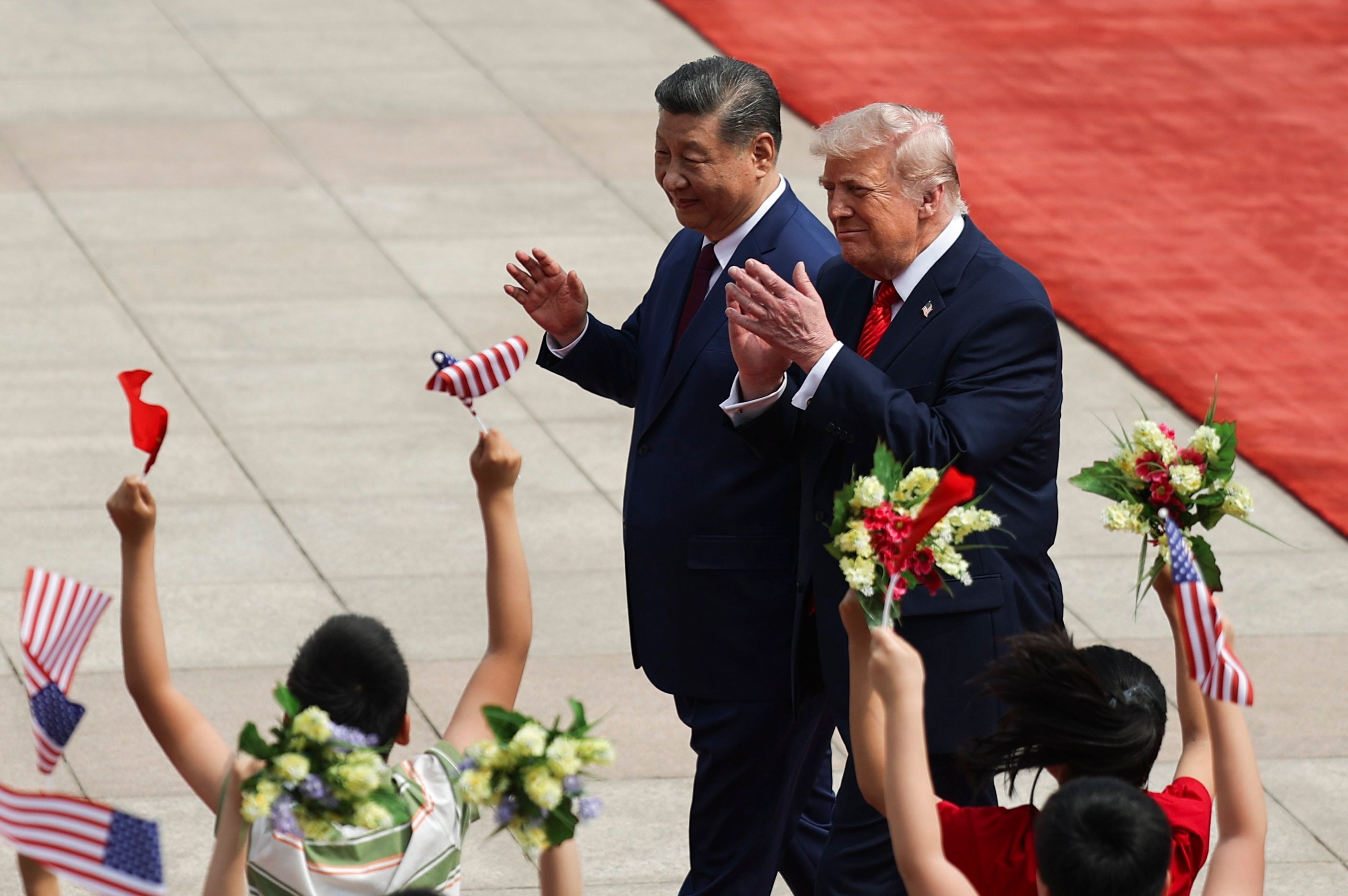
To move forward, the upcoming summit must pivot toward practical, shared stewardship. Rather than using AI as a rhetorical weapon in a broader trade war, both nations should establish formal, continuous channels for safety dialogue. Prioritizing shared goals—such as standardized risk assessment frameworks, early-warning protocols for model incidents, and collaborative red-teaming—would allow for competition in commercial innovation while safeguarding the foundational stability of the global economy. By rejecting the impulse for total technological conflict, Washington and Beijing have the opportunity to transform AI from a source of strategic rivalry into a shared imperative for human well-being.



Comments (0)
No comments yet. Be the first!