
The postwar doctrine of keeping the Americans in, the Russians out, and the Germans down has been effectively dismantled. Scholz’s government has since exempted defense spending from constitutional debt brakes and implemented a new military service law aimed at expanding the Bundeswehr toward 260,000 active personnel. These are not merely administrative adjustments; they reflect a stark shift in the country's strategic posture as military planners prepare for potential large-scale conflict on NATO territory. General Inspector Carsten Breuer is currently calibrating defense capabilities around a 2029 timeline, a threshold that has forced the integration of civilian hospitals into military medical planning to manage the projected casualty rates of a modern war.
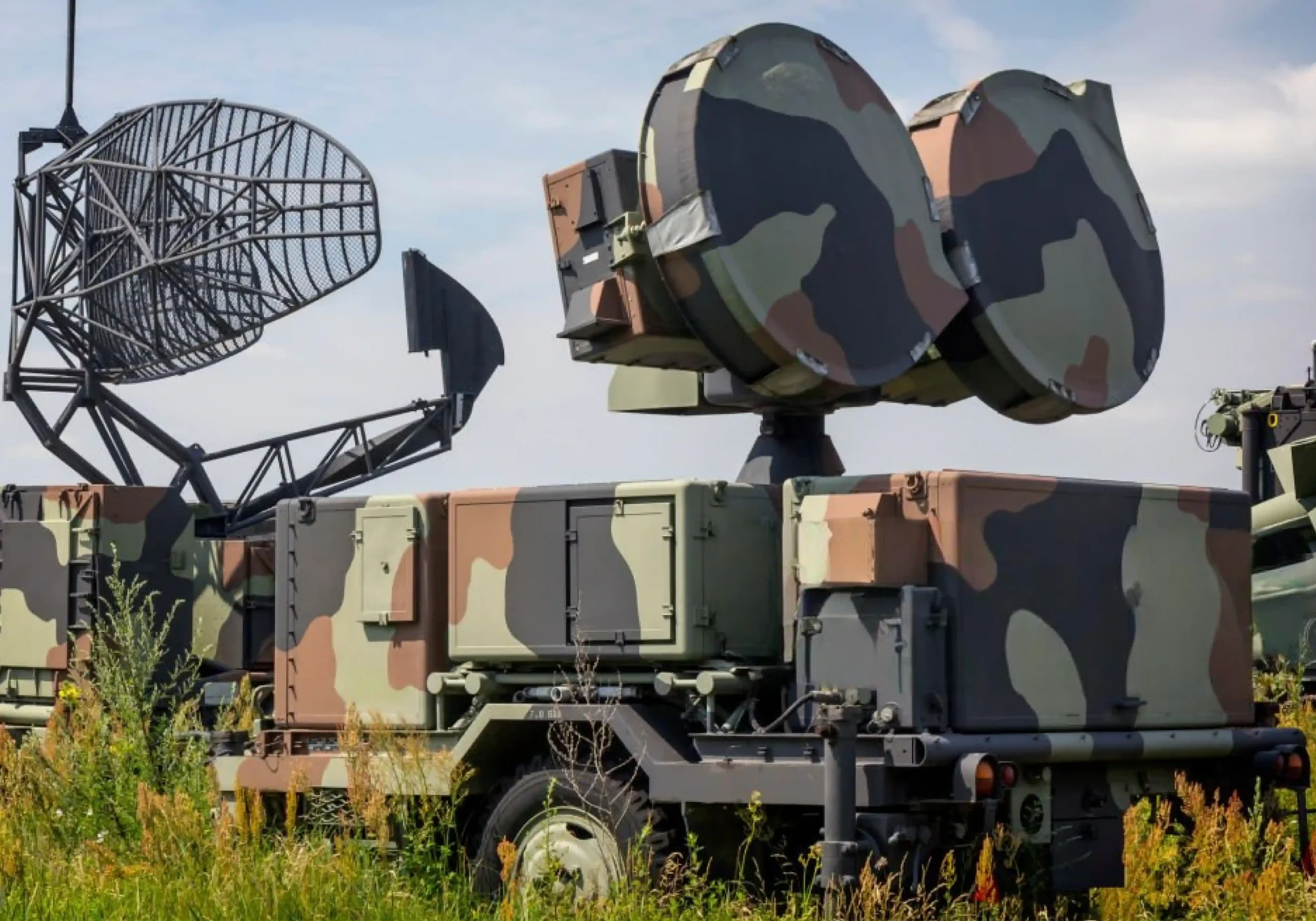
The urgency is visible in the physical transformation of the German military landscape. Old barracks are being reactivated, and the first of thirty-five F-35A aircraft has been delivered to replace the aging Tornado fleet at the Büchel nuclear-capable airbase. This hardware shift coincides with rising regional tensions, from drone incursions in the Baltics to explosive devices appearing at Leipzig airport. While NATO officials like Mark Rutte warn that a conflict in the Indo-Pacific could trigger a simultaneous crisis in Europe, the question remains whether Berlin can finalize its structural and operational overhaul before the window of preparation closes. The era of strategic patience has ended, replaced by a rigid, time-sensitive scramble to reach operational readiness.



Comments (0)
No comments yet. Be the first!