
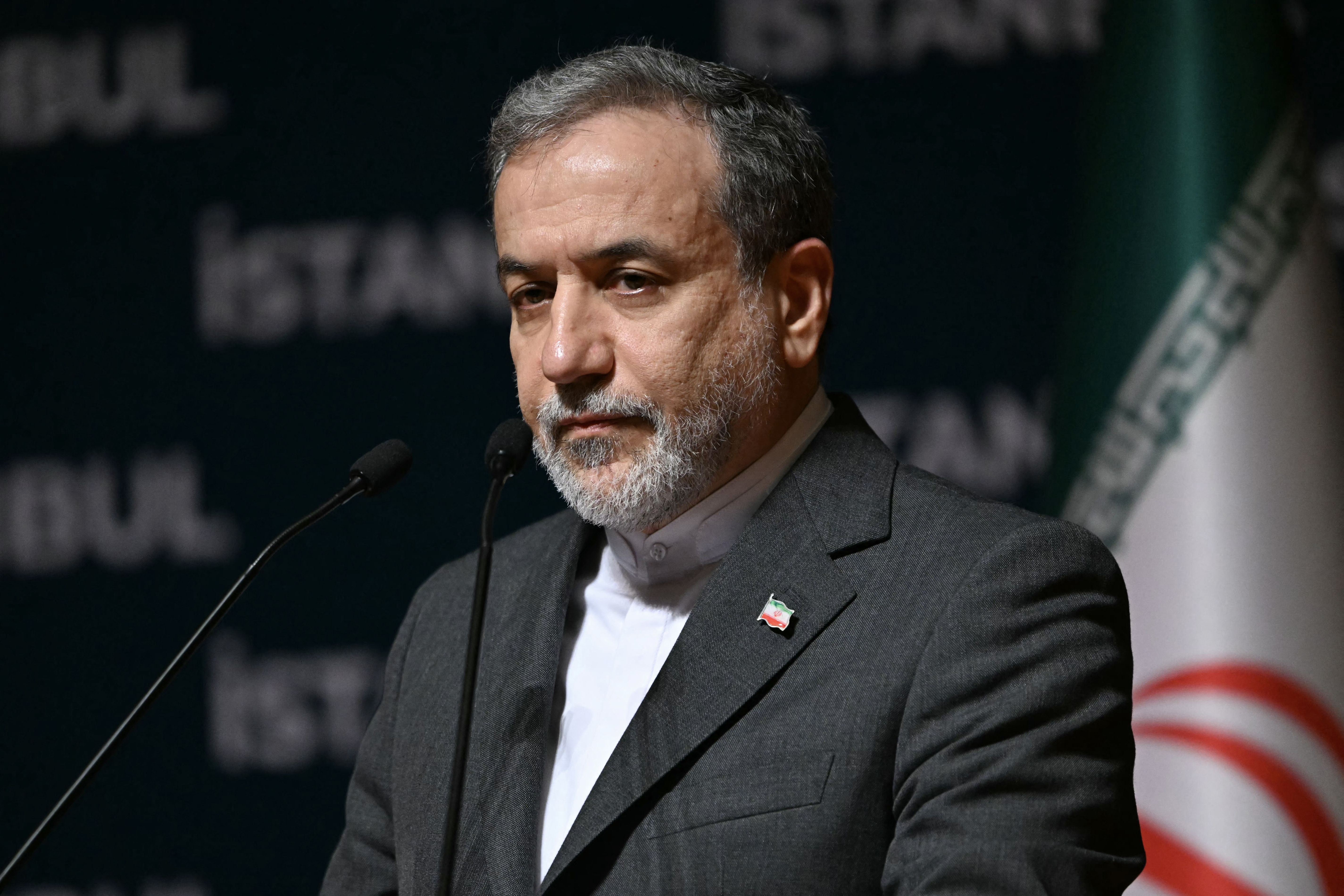
The three-hour session, involving senior US envoys Steve Witkoff and Jared Kushner, represents a fragile attempt to revive diplomatic channels following the collapse of a June ceasefire. While Trump characterized the engagement as a positive step, Iranian state media confirmed Foreign Minister Abbas Araghchi’s presence, marking a notable shift from the indirect, mediator-led discussions held in Doha earlier this summer.
Despite the diplomatic overture, the security situation remains precarious. Local reports of an explosion near Qeshm Island underscore the persistent instability in the Strait of Hormuz, a critical energy corridor already strained by the seven-month-long conflict. The war has crippled the Iranian economy and pressured global energy markets, creating a domestic political burden for the White House as midterm elections approach.
Secretary of State Marco Rubio affirmed that the administration remains open to a summit between Trump and President Masoud Pezeshkian, emphasizing a willingness to negotiate while maintaining the threat of military escalation. Trump, addressing global leaders, framed the choice as a binary path: a path toward Iranian reconstruction or total destruction. Whether these talks can translate into a durable settlement remains uncertain, particularly as regional stakeholders and Gulf Cooperation Council nations watch for signs of a concrete de-escalation.



Comments (0)
No comments yet. Be the first!