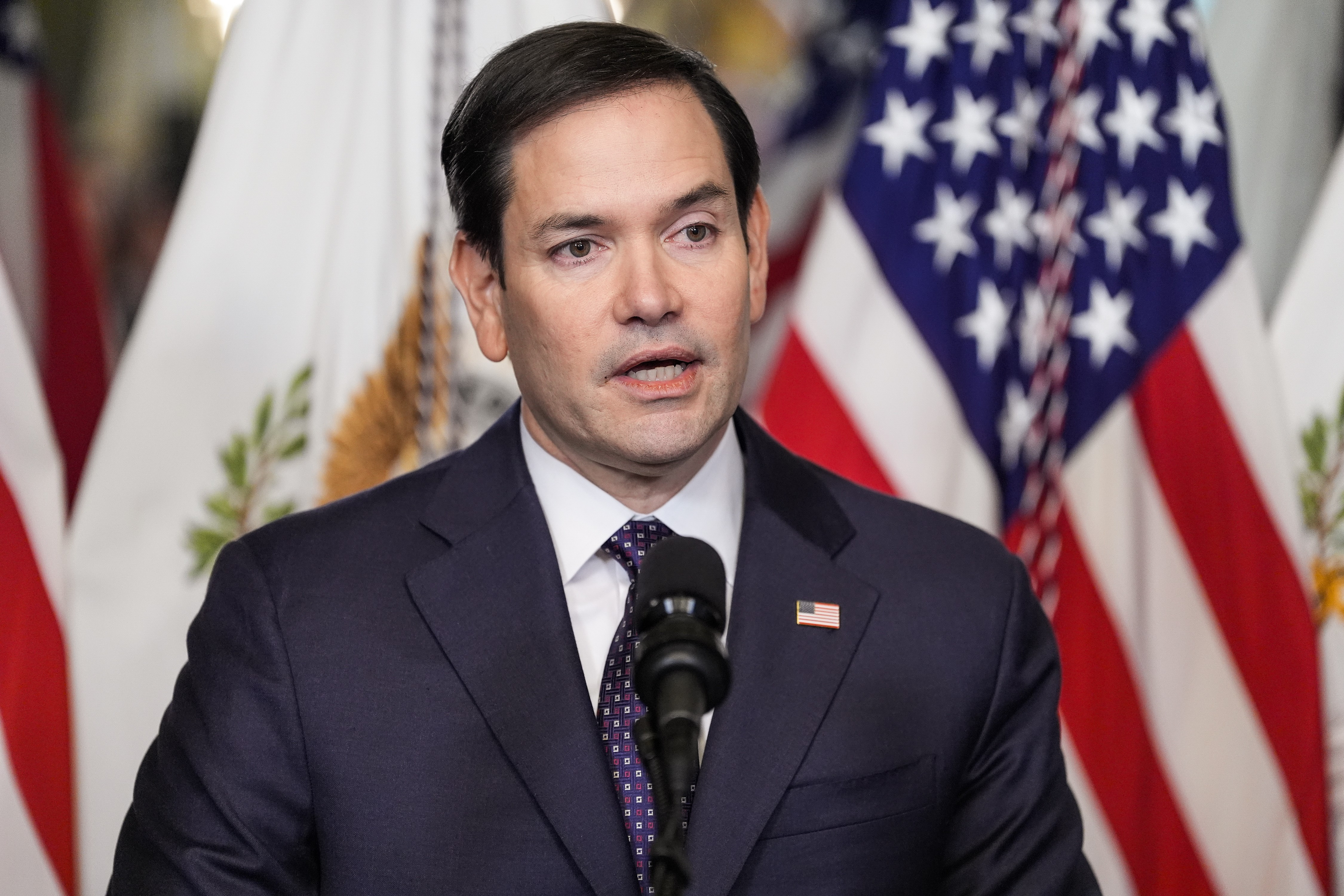
The Iranian delegation, currently present at the UN, claims full authorization to restart negotiations provided Washington formalizes a commitment to diplomatic resolution and establishes a clear timeline for progress. US Secretary of State Marco Rubio confirmed an openness to dialogue, noting that while no formal meetings are scheduled, the administration remains receptive to discussions that could yield positive outcomes.
This tentative outreach follows significant military friction. On Sunday, Iranian commanders warned of unrestricted retaliation should the US proceed with rumored strikes involving regional allies. Despite the rhetoric, logistical hurdles remain high: the US has severely restricted the movement of President Masoud Pezeshkian’s staff to a narrow corridor between their Manhattan hotel and the UN, and denied visas to key members of his communications team. While President Pezeshkian is not slated to meet with Donald Trump, the State Department has granted a security detail to Foreign Minister Abbas Araghchi.
Since the US military resumed its enforcement of the blockade on July 14, the Strait has become the primary theater of the seven-month conflict. As a vital artery for global energy, the waterway’s closure continues to exert immense pressure on international trade, with neither side appearing ready to offer the concessions necessary to conclude the broader confrontation.

Comments (0)
No comments yet. Be the first!