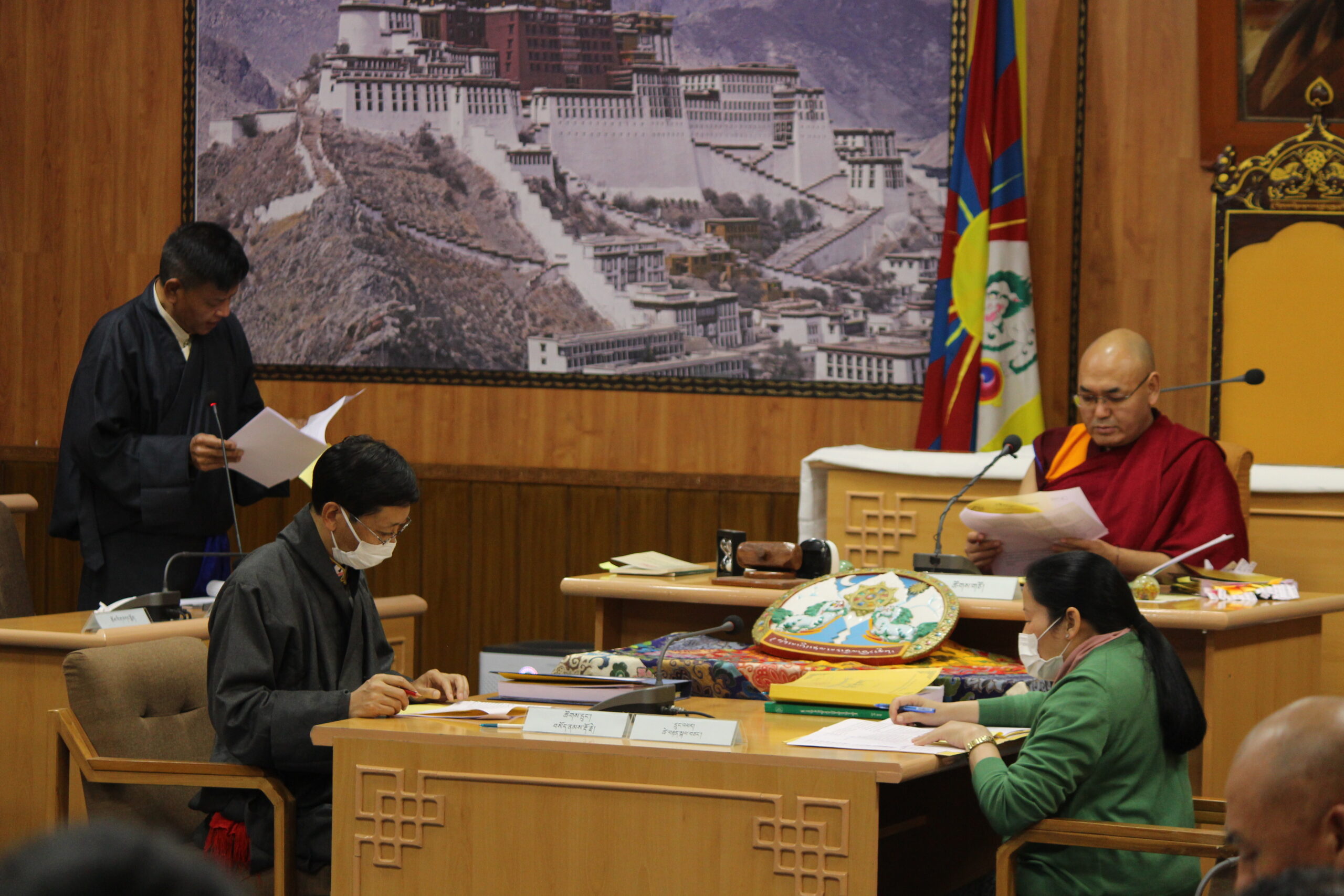
The resolution, spearheaded by Parliamentarian Lhakpa Tsering, calls for the three pillars of the Central Tibetan Administration to serve as a model for the public. Advocates emphasize that language serves as the primary vessel for culture and continuity. Parliamentarian Rigzin Lhundup noted that the move aims to make government institutions more accessible while fostering pride among younger generations, rather than acting solely as a reactive measure to Chinese language policies.
Parliamentarian Gowo Lobsang Phende highlighted that while officials often utilize Tibetan, the creeping influence of English terminology has become a concern despite the availability of native equivalents. With a workforce exceeding 500 people, the administration seeks to standardize communication practices across its departments. This push for linguistic preservation gains urgency following China’s recent implementation of the “Ethnic Unity and Progress Law,” a legal framework that exile leaders warn will systematically erode the distinct way of life and identity of the Tibetan people. By enforcing these standards, the Dharamshala-based leadership intends to safeguard their heritage where they maintain the freedom to do so.



Comments (0)
No comments yet. Be the first!