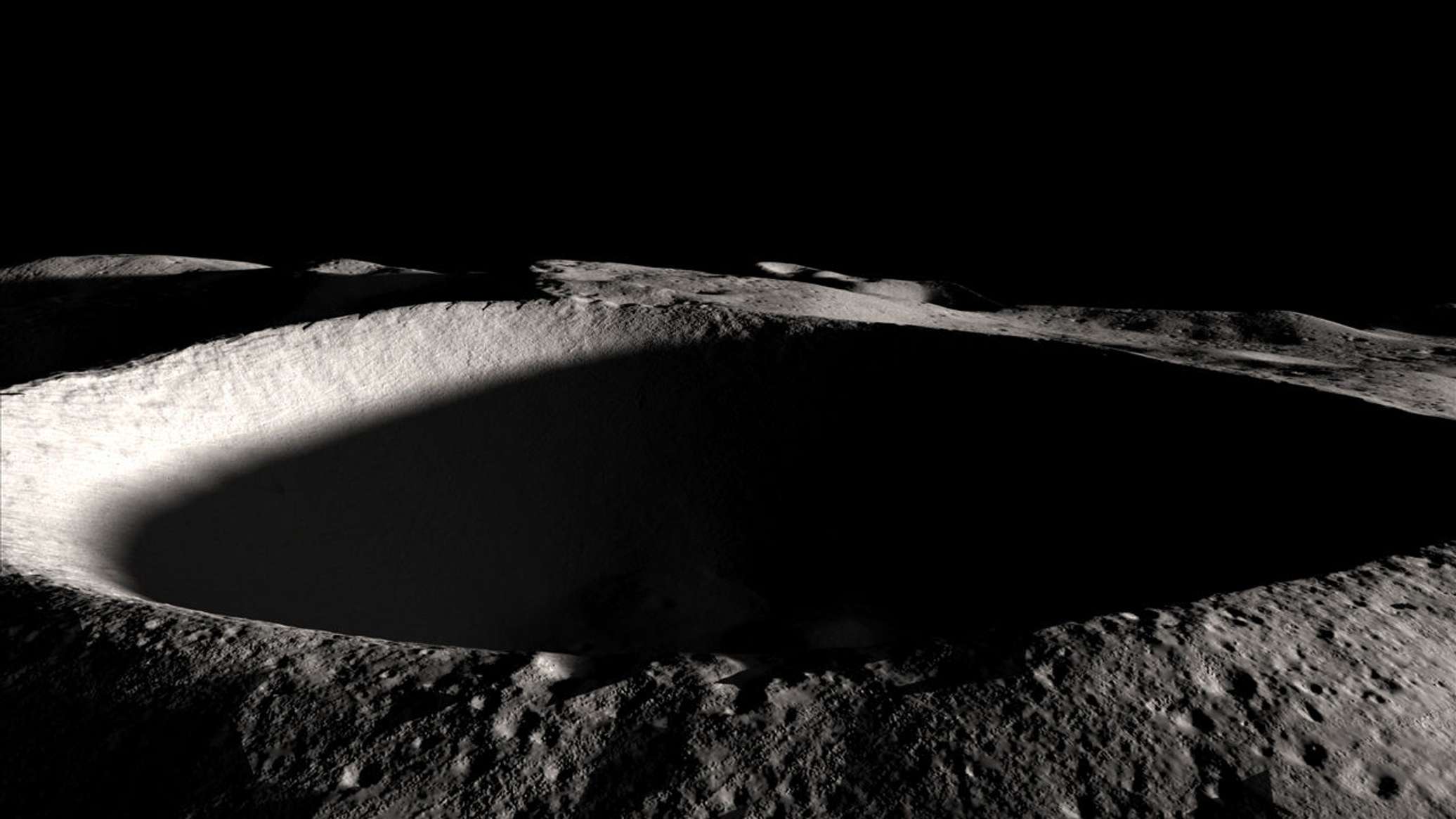
The crater, which spans 728 feet in diameter, emerged on the Moon's eastern edge between April 11 and May 22, 2024. Researchers believe the impact originated from a comet or asteroid roughly the size of a three- to six-story building. Findings published in Science Advances suggest that such significant lunar impacts occur only once every century or longer.
This discovery adds to a growing catalog of lunar surface changes. Over the past 17 years, the Lunar Reconnaissance Orbiter mission has identified at least 1,000 new craters and tracked 100,000 instances of surface debris movement. The data provides scientists with critical insights into the frequency of celestial strikes in the solar system, reinforcing the importance of long-term orbital observation.




Comments (0)
No comments yet. Be the first!