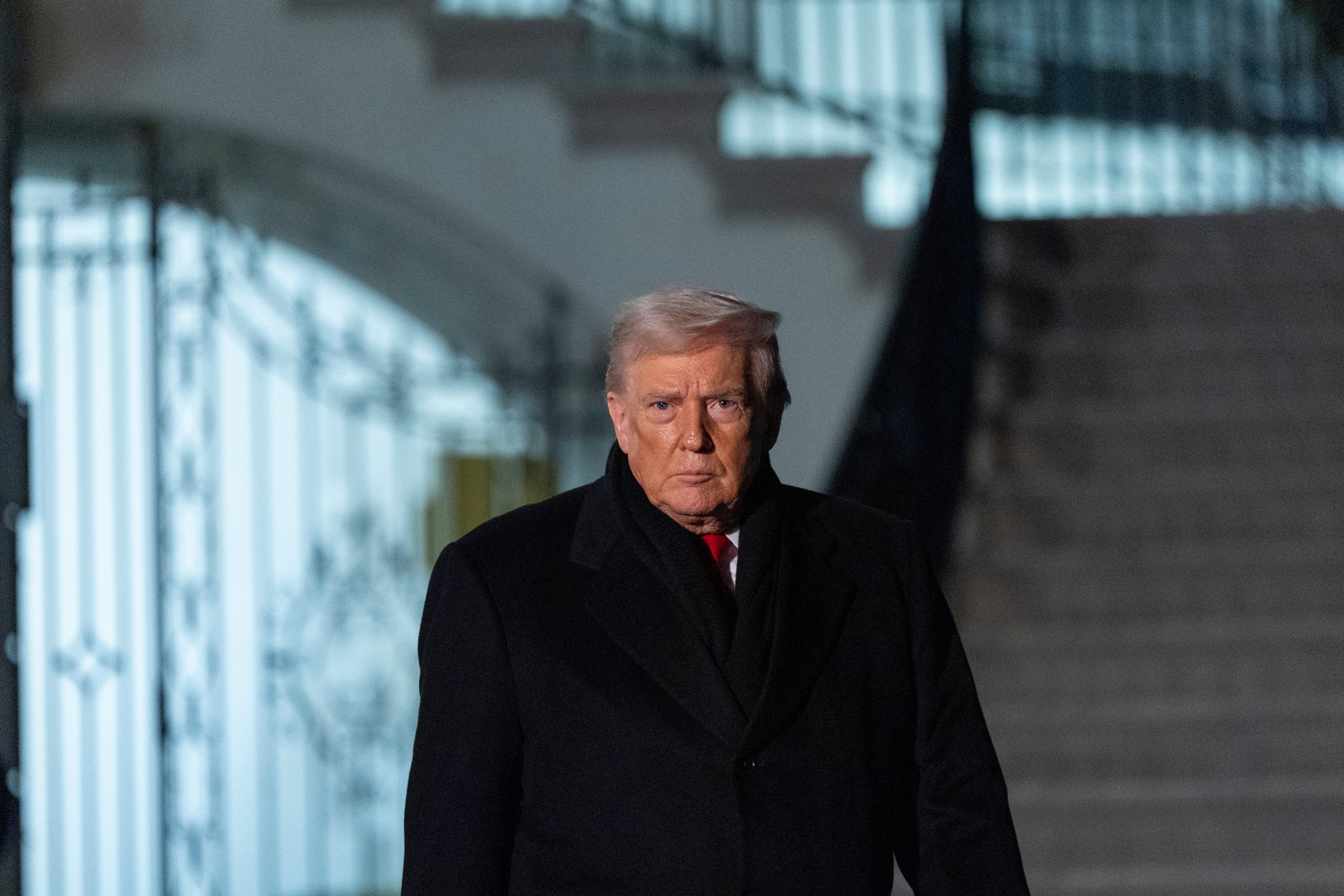
Canada is actively courting an alliance with the European Union, a strategic pivot that has drawn immediate friction from U.S. President Donald Trump. This maneuver underscores the growing difficulty for middle powers to maintain traditional partnerships while securing independent economic futures. Simultaneously, Australia is tightening its grip on immigration, implementing rigorous new requirements for student and working holiday visas to appease domestic concerns despite pushback from far-right political groups.
Regional security architectures are experiencing similar volatility. China has stepped into a mediator role, engaging Iranian officials to curb Houthi threats against Saudi Arabia at Riyadh's request. These maneuvers highlight how influence is shifting away from historical power brokers toward more pragmatic, interest-based coalitions. Meanwhile, Japan’s Prime Minister Takaichi is prioritizing domestic economic revitalization, while King Charles has issued a formal warning regarding the unchecked risks posed by rapid artificial intelligence development. These disparate threads—from trade disputes to regional security and technological ethics—suggest that the current international order is undergoing a fundamental and unpredictable transformation.



Comments (0)
No comments yet. Be the first!