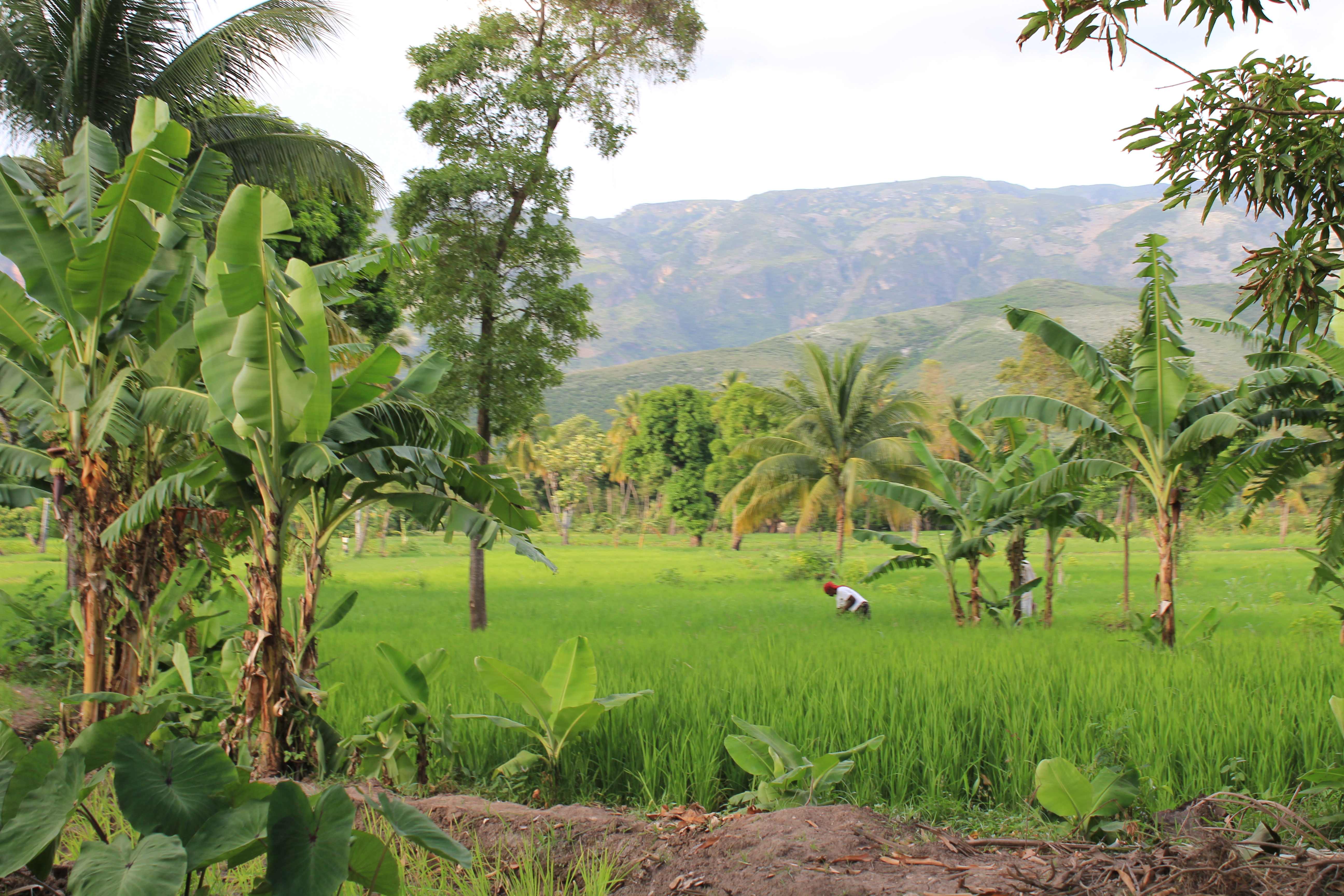
The report highlights that transforming Haiti’s economic reality depends on bridging the chasm between potential and practical support. While crops like cocoa, mangoes, and coffee offer high-value entry points into international markets, rural producers currently lack the financing necessary to scale operations. This systemic neglect leaves a massive segment of the population without a reliable income, further complicated by the fact that roughly 12 percent of the nation is now internally displaced.
Anne-Lucie Lefebvre, the World Bank's Country Manager, emphasizes that stability serves as the primary prerequisite for any meaningful recovery. She advocates for a multidimensional policy approach that simultaneously tackles migration, volatile remittance flows, and trade access. This sentiment is echoed by Senior Economist Bernard James Haven, who argues for a shift toward governance reforms and targeted investments in the Northern and Southern corridors. According to Haven, reconnecting the capital remains the most daunting constraint on growth, requiring immediate, cost-calculated infrastructure programs that function regardless of the prevailing security climate. Ultimately, the path forward relies on whether the nation can replace stagnant institutional frameworks with concrete, accessible opportunities for its citizens.




Comments (0)
No comments yet. Be the first!